
 Se i rummet
 Del som kort
 Del
Del
 Detaljer
 Guide
Guide

 Download
 Lignende værker
 Røntgenundersøgelse
 Diasshow
 Spørgsmål og svar
 Statistikker
Ogou Ferail


 Vis mere
Kunstværket vist på denne side er beskyttet af ophavsretsloven, hvilket betyder, at vi ikke lovligt kan skabe eller sælge en identisk reproduktion. Denne beskyttelse håndhæves i henhold til internationale aftaler som f.eks. den Bernerkonventionen og af nationale love, herunder de bestemmelser, der er fastlagt i Amerikansk ophavsretslov - Titel 17.
Denne metode overholder fuldt ud ophavsretsreglerne, da den ikke indebærer kopiering eller duplikering af det beskyttede kunstværk. I stedet er der tale om en kreativ nytolkning – et nyt maleri, som er inspireret af det oprindelige, men ikke identisk med det.
Giclée / Kunsttryk
Giclée- eller lærredstryk i museumskvalitet med hurtig produktion og fleksible muligheder for finish. ( Køb håndmalet maleri Skift til digitalt billede)




P118B Dkr10

P118H Dkr10

P118W Dkr10

P438Z Dkr10

P508JH Dkr12

P508YH Dkr12

P805H Dkr10

P805Z Dkr10

P919BZ Dkr10

P919G Dkr10

P919XJ Dkr10

P959ZH Dkr10

P968JZ Dkr12

W106C Dkr8

W218G Dkr10

W218JH Dkr8

W218Y Dkr10

W307PJ Dkr10

W316G Dkr10

W316PJ Dkr8

W316Y Dkr10

W398PJ Dkr8

W4111J Dkr10

W500HY Dkr15

W500JH Dkr15

W692G Dkr12

W849H Dkr8

W940BG Dkr15

W953PJ Dkr8




Vælg mellem vores forudindstillede størrelser, der matcher kunstværkets originale proportioner.

Indtast den bredde og højde, du har brug for, så det passer til din ramme eller din væg. Et print kan kun beskæres, aldrig gøres større end selve billedet, så en størrelse med et andet format vil medføre, at dele af motivet går tabt. Vi sender dig en digital mockup til godkendelse, før vi printer noget. Billedet vist på denne side viser ikke den faktiske beskæring — det er kun mockuppen, der gør.
Verdensomspændende levering () på 2 uger i stedet for de sædvanlige 4/5 uger. (4 november)

Gratis ekspresforsendelse til hele verden

Lærred af linned i høj kvalitet

Fuld transportforsikring

Garanti for refusion af told og importafgifter

Garanti for præcis farvegengivelse

100 dages returret ved fabrikationsfejl

100% fuld returret

Mængderabat ved flere køb
 Glasmulighed er kun tilgængelig i størrelser under 110 cm

Ogou Ferail
Giclée / Kunsttryk
Størrelse på reproduktion
-


Samlet pris
Dkr 538
Spørgsmål og svar
Hvad foreslås der at bruge "Ogou Ferail" af Mireille Delismé til?
En reproduktion af "Ogou Ferail" af Mireille Delismé anbefales til Statement. Denne anbefaling er baseret på værkets motiv, stemning og farver.
Hvem har skabt "Ogou Ferail"?
"Ogou Ferail" tilskrives Mireille Delismé.
Hvordan relaterer motivet i "Ogou Ferail" sig til Mireille Delismés sædvanlige temaer?
"Ogou Ferail" skildrer voodoo flag art, epic battle scene, knight on horseback, dragon combat, haitian culture, spiritual narrative, mens Mireille Delismés registrerede temaer er vodou spiritual symbolism art, haitian cultural resilience narrative, epic battle tradition depiction. En sammenligning af de to viser, hvordan værket relaterer sig til kunstnerens sædvanlige motiver.
Kunstnerbiografi
Mireille Delisme: Weaving Faith and Resilience into Haitian Drapo
Mireille Delismé, a name synonymous with vibrant Haitian artistry, is more than just an artist; she’s a conduit between the spiritual realm of Vodou and the tangible beauty of her meticulously crafted drapo flags. Born in Leogâne, Haiti, in 1968, Mireille – also known as Mireille Delice – has dedicated her life to preserving and evolving this deeply significant art form, transforming it into a powerful expression of faith, community, and resilience. Her work isn’t merely decorative; it's a visual narrative steeped in Haitian history, Vodou beliefs, and the enduring spirit of her people. Delismé’s artistic journey began unexpectedly in 1986, apprenticing under her cousin, Myrlande Constant (or Yolande Ceauston – accounts vary), learning the foundational skills of sewing and beading within a factory producing embellishments for wedding dresses destined for export in Port-au-Prince. This experience, though ultimately short-lived when the factory closed in 1990 due to political and economic instability, provided her with invaluable technical expertise. It was during this period that she first experienced what would become the driving force behind her artistic practice: a series of vivid dreams. These weren’t random occurrences; they were imbued with messages from Vodou spirits, particularly Erzulie, the spirit of love, represented by a heart symbol – a design that would later become the defining motif of her iconic flags. The closure of the factory and the subsequent dream-inspired guidance marked a pivotal moment in Delismé’s life. She recounts receiving instructions to forge her own path, an invitation to create independently and provide for her family. Embracing this call, she began crafting drapo Vodou flags using leftover beads from her previous employment. These early pieces weren't simply decorative; they were imbued with the spirit of Erzulie and other Vodou deities, acting as visual representations of divine guidance and offering clarity within life’s complexities. The bright colors – reds, yellows, blues, greens – used in the sequins and beads aren’t arbitrary choices but carefully selected to evoke specific moods and spiritual energies. Her atelier, established in Haiti, now serves as a hub for creating these intricate works, employing seven artisans who contribute their skills to this vibrant tradition.The Language of Drapo Vodou
The drapo Vodou is far more than just an embroidered flag; it’s a complex and deeply symbolic visual language central to Haitian Vodou practice. These flags are offered to the *lwa* (spirits) during ceremonies, serving as conduits for communication and connection. Each element – color, symbol, bead placement – carries specific meaning, reflecting the attributes of the particular spirit being invoked. Delismé’s work is particularly notable for its incorporation of traditional Vodou iconography alongside her own unique interpretations. She meticulously researches and translates these symbols, ensuring that each flag accurately represents the spirit it honors. The heart motif, originating from her initial dream with Erzulie, remains a recurring element, symbolizing love, compassion, and connection to the divine.Dreams as Inspiration: A Spiritual Dialogue
Delismé’s artistic process is inextricably linked to her dreams. She describes receiving multiple visions from the *lwa*, each offering guidance, inspiration, and specific designs for her flags. The third dream, in particular, provided a clear directive – to abandon factory work and pursue her own creative path. This narrative underscores the profound spiritual influence that shapes her art. She doesn’t simply draw inspiration from Vodou symbols; she actively engages in a dialogue with the spirits themselves, allowing their messages to inform her artistic choices. The resulting flags are not merely products of skill but expressions of a deeply personal and spiritual connection.Responding to Tragedy: Art as Healing
In the aftermath of the devastating 2010 earthquake that ravaged Haiti, Delismé channeled her grief and concern into her art. Recognizing the immense suffering in her homeland, she created “Catastrophe du 12 Janvier” – a powerful drapo depicting the crumbled buildings and the tragic loss of life. This work wasn’t simply a memorial; it was an act of healing, a way to process trauma and offer solace to her community. Her participation in the Smithsonian Folklife Festival in 2010 and subsequent exhibitions at institutions like the Museum of International Folk Art further amplified the significance of her art as a testament to Haitian resilience and cultural heritage. The piece “Catastrophe du 12 Janvier” was particularly poignant, demonstrating how she translated the devastation into a visual language that resonated with both local communities and international audiences.Legacy and Recognition
Mireille Delismé’s work has garnered significant recognition within the art world and beyond. Her pieces have been exhibited at prestigious venues like the Indigo Arts Gallery in Philadelphia and featured in publications such as *Crane Arts*. Her commitment to preserving and promoting the tradition of drapo Vodou has solidified her position as a leading figure in Haitian contemporary art. Delismé’s atelier continues to thrive, employing local artisans and ensuring that this vibrant artistic heritage remains alive for generations to come. Her flags are not just beautiful objects; they are powerful symbols of faith, community, and the enduring spirit of Haiti.
Mireille Delismé
Haiti
Kort om kunstneren
- Artistic Movement Or Style: Drapo Vodou art
- Artists Or Movements Influenced By This Artist: ['Vodou tradition']
- Artists Who Influenced This Artist: ['Yolande Ceauston']
- Date Of Birth: Leogâne, Haiti (1967)
- Full Name: Mireille Delisme
- Nationality: Haitian
- Notable Artworks: ['Ogou Ferail']
- Place Of Birth: Leogâne, Haiti
Relaterede artikler

The Enduring Appeal of Decorative Art: A Historical Survey of Ornamentation, Functionality & Cultural Significance
Explore the rich history of decorative arts with OriginalUniqueArt.com. Discover key movements, influential artists, and expert guidance for building a discerning collection. Learn about ornamentation, functionality & cultural significance.
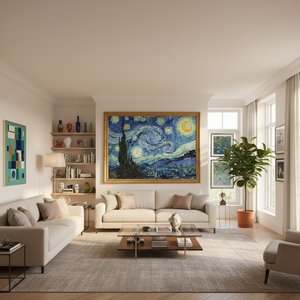
Top 10 Berømte Malerier til Stuen: Kunst der Skaber Atmosfære | OriginalUniqueArt.dk
Oplev de 10 mest berømte malerier til stuen! Fra Van Goghs 'Stjernenat' til Mona Lisa – lær historien bag ikoniske kunstværker og find inspiration til din indretning. Køb eksklusive reproduktioner på OriginalUniqueArt.com.

Daniel Ridgway Knight: A Study in Victorian Genre Painting & Rural Idealism
Explore the captivating world of Daniel Ridgway Knight, a master of Victorian genre painting. Discover his serene rural scenes, realistic technique & lasting influence on American Impressionism. Learn about his life, art, and collectibility.

Armor & Edge: The Trend Forecast for Bold Knight Art to Level Up Your Space
Level up your space with the ultimate trend forecast on Bold Knight Art. Discover how contemporary armor aesthetics and chivalric imagery are redefining urban interiors, gaming setups, and pop-culture decor through high-impact, custom-made masterpieces.
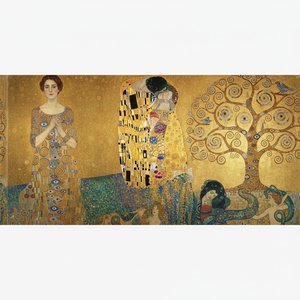
Gustav Klimts 25 Mesterværker: Kunst, Historie & Inspiration til Dit Hjem | OriginalUniqueArt
Oplev Gustav Klimts 25 mest ikoniske værker! Fordyb dig i symbolisme, jugendstil og den gyldne periodes skønhed. Find inspiration til din indretning & køb luksus kunst reproduktioner på OriginalUniqueArt.com.