
 Se i rummet
 Del som kort
 Del
Del
 Detaljer
 Guide
Guide

 Download
 Lignende værker
 Røntgenundersøgelse
 Diasshow
 Spørgsmål og svar
 Statistikker
Façade


 Vis mere
Få en printklar fil, der rækker langt ud over web-forhåndsvisningen. Hvert digitalt billede, vi sælger, stammer fra en højopløst master i vores database — typisk mellem 5.000 og 15.000 pixels i bredden — så du med selvtillid kan printe stort, beskære tæt eller gengive fine detaljer.
Ingen fil forlader vores studie uden at være blevet behandlet. En digital ekspert kontrollerer farverne i forhold til det originale maleri og korrigerer dem efter behov, hvorefter klarhed og detaljer forbedres med professionelle retoucheringsværktøjer — altid med fuld respekt for kunstnerens penselstrøg og stil. Resultatet er et billede, der ligner selve maleriet, og ikke blot et scannet billede med et filter.
Du godkender først, når du er tilfreds: Vores ekspert sender billedet til din gennemgang via e-mail inden for 72 timer. Ikke tilfreds? Bed om rettelser eller forbedringer, eller anmod om en refundering, hvis kvaliteten ikke lever op til forventningerne.
Dette er den kvalitet, som forlag, designstudier, gallerier og trykkerier stoler på.
Digitalt billede
Download en højopløselig fil til personlig fremvisning, print og kreative projekter. ( Skift til printsalg Køb håndmalet maleri)
Inkluderet i alle ordrer på digitale billeder
Ekspertise i digital levering, garanteret
Når du vælger OriginalUniqueArt.com, får du ikke blot et billede – du modtager et professionelt optimeret digitalt kunstværk, skabt med præcision og sikret med en tilfredshedsgaranti. Her er alt, hvad din ordre automatisk indeholder:

Hurtig levering via e-mail
Din højtopløselige digitale billedfil sendes til din e-mail inden for 72 timer efter bestilling – klar til øjeblikkelig brug.

AI-optimeret digital fil
Dit kunstværk optimeres professionelt ved hjælp af avancerede AI-værktøjer og manuel redigering, hvilket sikrer maksimal detaljegrad, klarhed og farvenøjagtighed.

Gratis livslang genlevering
Har du ved en fejl slettet eller mistet din fil? Ingen bekymring – vi sender den igen til enhver tid, helt gratis.

Ingen importgebyrer – nogensinde
Nyd dit kunstværk med det samme uden told, afgifter eller leveringsgebyrer – digitale downloads er altid skattefrie.

Garanteret farvenøjagtighed
Vi sikrer, at dit digitale billede gengiver de originale farver så præcist som muligt ved hjælp af professionelle værktøjer og farvestyring.

100 dages tilfredshedsgaranti
Hvis du ikke er tilfreds med dit digitale billede, vil vi revidere det eller refundere 100% inden for 100 dage – uden spørgsmål.

100% Pengene tilbage-garanti
Ik tilfreds? Få fuld refusion inden for 100 dage efter modtagelse af din digitale fil – uden spørgsmål.

Mængderabat ved storkøb
Køb 3 billeder, spar 10% - Køb 5, spar 15% - Køb 10+, spar 20%. Ideelt til kreative projekter, gallerier og bureauer.
Kunstnerens biografi
Michelozzo di Bartolomeo: Arkitekten bag den florentinske renæssances storhed
Michelozzo di Bartolomeo (ca. 1396 – 7. oktober 1472), ofte blot kendt som Michelozzo, står som en hjørnesten i det kunstneriske landskab i det femtende århundredes Firenze og i selve den italienske renæssance. Han var ikke blot en bygherre; han var en innovator – en billedhugger, designer og humanist, hvis vision dybtgående formede sin tids æstetiske sans og cementerede Palazzo Medici Riccardi som et af de mest ikoniske eksempler på renæssancearkitektur.- Tidligt liv og læretid: Michelozzos formative år blev tilbragt i Firenze omkring 1396 under vejledning af Lorenzo Ghiberti, den berømte billedhugger bag dåbskapellets døre i domkirken i Firenze. Dette venskab indprentede ham en omhyggelig sans for detaljen og en forståelse for klassiske proportioner – principper, der skulle blive kendetegnende for hans efterfølgende arkitektoniske bedrifter.
- Samarbejde med Donatello: Michelozzos kunstneriske rejse blev uddybet gennem partnerskaber med andre mestre som Donatello, hvilket skabte en dialog mellem billedhuggerkunsten og det arkitektoniske design. Deres samarbejdsprojekter eksemplificerede tidens humanistiske ånd, hvor den menneskelige form og intellektuel fordybelse blev prioriteret side om side med teknisk dygtighed.
Palazzo Medici Riccardi: Et vidnesbyrd om renæssancens idealer
Michelozzos magnum opus er uden tvivl Palazzo Medici Riccardi – bestilt af Cosimo de' Medici i 1444. Dette palads repræsenterer højdepunktet af florentinsk arkitektonisk præstation og legemliggør de idealer om symmetri, proportion og storhed, der definerede renæssancen. Dets tredelte facade, med rustikke stenblokke afbrudt af kvaderstenssøjler, formidler øjeblikkeligt en følelse af stabilitet og autoritet – et spejlbillede af Cosimos politiske dominans. Selve gården er minutiøst planlagt med klassiske elementer som en peristyl-kolonnade og springvand, hvilket skaber et fredfyldt rum til eftertanke og forstærker paladsets rolle som et symbol på Mediciernes magt.- Arkitektonisk innovation: Michelozzo brød med de herskende gotiske traditioner og omfavnede nyromanske principper for at skabe en bygning, der var både monumental og harmonisk. Han udnyttede dygtigt innovative teknikker – især inden for stenhuggerarbejde – til at opnå betagende visuelle effekter.
- Billedhuggeriske bidrag: Udover Palazzo Medici Riccardi omfattede Michelozzos skulpturelle virke dekorative paneler, der prydede kirker og paladser i hele Firenze. Hans skulpturer er kendetegnet ved yndefulde linjer og raffineret modellering, hvilket demonstrerer hans beherskelse af den humanistiske æstetik.
Indflydelse og eftermæle
Michelozzos indflydelse rakte langt ud over hans umiddelbare projekter. Han fungerede som mentor for yngre arkitekter og billedhuggere og spredte renæssancens idealer gennem hele Firenzes kunstneriske samfund. Hans Palazzo Medici Riccardi blev en model for efterfølgende paladser og inspirerede generationer af bygmestre til at stræbe efter lignende niveauer af elegance og storhed. I dag huskes Michelozzo di Bartolomeo ikke blot som en arkitekt, men som en skelsættende figur i formningen af renæssancens visuelle kultur – et vidnesbyrd om hans vedvarende bidrag til den vestlige kunsthistorie.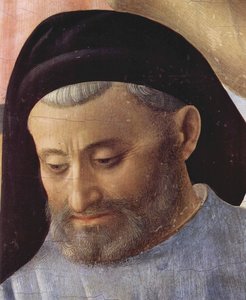
Michelozzo Di Bartolomeo
1396 - 1472 , Italien
Kort fortalt
- Artistic Movement Or Style: Renæssancearkitektur
- Artists Or Movements Influenced By This Artist: ['Ungrenæssancen']
- Artists Who Influenced This Artist:
- Lorenzo Ghiberti
- Donatello
- Date Of Birth: ca. 1396
- Date Of Death: 7. oktober 1472
- Full Name: Michelozzo di Bartolomeo Michezzi
- Nationality: Italiensk
- Notable Artworks: ['Palazzo Medici Riccardi']
- Place Of Birth: Firenze, Italien