

 Se i rummet
 Send
Send Del
Del
 Detaljer
 Studieguide til kunstværker

 Download
 Lignende værker
 Røntgenundersøgelse
 Se diasshow
 Statistik
St Lawrence Distributing the Alms
 Oil On Canvas
- WallArt
- Early Renaissance
 1465
1465 100.0 x 97.0 cm
 Alte Pinakothek
 Læs mere
Giclée / Kunsttryk
Giclée- eller lærredstryk i museumskvalitet med hurtig produktion og fleksible muligheder for finish. ( Bestil håndmalet reproduktion Skift til digitalt billede)




P118B Dkr10

P118H Dkr10

P118W Dkr10

P438Z Dkr10

P508JH Dkr12

P508YH Dkr12

P805H Dkr10

P805Z Dkr10

P919BZ Dkr10

P919G Dkr10

P919XJ Dkr10

P959ZH Dkr10

P968JZ Dkr12

W106C Dkr8

W218G Dkr10

W218JH Dkr8

W218Y Dkr10

W307PJ Dkr10

W316G Dkr10

W316PJ Dkr8

W316Y Dkr10

W398PJ Dkr8

W4111J Dkr10

W500HY Dkr15

W500JH Dkr15

W692G Dkr12

W849H Dkr8

W940BG Dkr15

W953PJ Dkr8




Vælg mellem vores forudindstillede størrelser, der matcher kunstværkets originale proportioner.

Indtast den bredde og højde, du har brug for, så det passer til din ramme eller din væg. Et print kan kun beskæres, aldrig gøres større end billedet, så en størrelse med en anden form vil miste en del af motivet. Vi sender dig en digital mockup til godkendelse, før vi printer noget. Billedet vist på denne side viser ikke den faktiske beskæring — det er kun mockuppen, der gør.
Verdensomspændende levering () på 2 uger i stedet for de sædvanlige 4/5 uger. (24 oktober)

Gratis ekspresforsendelse til hele verden

Lærred af linned i høj kvalitet

Komplet transportforsikring

Garanti for refusion af told og importafgifter

Garanti for autentisk farvegengivelse

100 dages returret ved fabrikationsfejl

100% fuld returret

Mængderabat ved flere køb
 Glasmulighed er kun tilgængelig i størrelser under 110 cm

St Lawrence Distributing the Alms
Giclée / Kunsttryk
Reproduktionsstørrelse
-


Samlet pris
Dkr 531
The Alms of Saint Lawrence: A Window into Renaissance Tyrol
Michael Pacher’s “St Lawrence Distributing the Alms,” painted in 1465-70, isn't merely a depiction of a biblical scene; it’s a meticulously crafted microcosm of late medieval society and a testament to the burgeoning artistic currents flowing through the Alpine region of Tyrol. This polyptych panel, now housed within the Alte Pinakothek in Munich, offers a rare glimpse into the world of a 15th-century nobleman's chapel – a space designed not just for worship but also as a powerful statement of civic virtue and familial piety. Pacher’s genius lies in his ability to seamlessly blend the formal elegance of Italian Renaissance influences with the deeply rooted traditions of Northern European art, creating an image that is both strikingly modern and profoundly resonant.
The scene itself unfolds within a meticulously rendered architectural setting – a church dominated by a towering Gothic spire. At its center stands Saint Lawrence, depicted not as a heroic figure of martyrdom, but as a humble servant distributing alms to the impoverished inhabitants of the town. The figures kneeling before him are remarkably individualized, reflecting the growing trend in art towards naturalistic representation and psychological depth. Note the subtle variations in their clothing, gestures, and expressions – each conveying a distinct sense of need and gratitude. This level of detail was revolutionary for its time, demonstrating Pacher’s mastery of observation and his commitment to portraying human experience with remarkable sensitivity.
The Influence of Mantegna: Perspective and Spatial Drama
Pacher's journey to Padua in Italy proved transformative, profoundly shaping the trajectory of his artistic development. His encounter with Andrea Mantegna’s frescoes ignited a passion for perspective and spatial composition – elements that would become hallmarks of Pacher’s distinctive style. Mantegna’s innovative use of linear perspective, creating an illusion of depth on a flat surface, is evident in “St Lawrence Distributing the Alms.” The receding lines of the church walls, the carefully arranged figures within the foreground, and the subtle modeling of forms all contribute to a convincing sense of three-dimensionality. This technique was relatively new in Northern Europe at the time, and Pacher’s adoption of it marked a significant step towards embracing Renaissance artistic principles.
However, Pacher doesn't simply mimic Mantegna; he adapts these innovations to his own regional context. The overall composition retains a distinctly Gothic sensibility – the monumental scale of the church, the elaborate ornamentation, and the stylized figures all reflect the enduring influence of Northern European traditions. This synthesis of Italian Renaissance innovation and Northern Gothic style is what makes Pacher’s work so unique and compelling.
Symbolism and Civic Virtue
Beyond its technical brilliance, “St Lawrence Distributing the Alms” is rich in symbolic meaning. Saint Lawrence himself was a Roman martyred for refusing to participate in pagan rituals – his story served as a potent reminder of the importance of Christian faith and moral integrity. The act of distributing alms represented not only charity but also civic responsibility – a call to action for the wealthy elite to care for the poor and vulnerable within their community. The presence of prominent figures from local society, depicted alongside the beggars and the priest, underscores this message, suggesting that piety and social engagement were inextricably linked in 15th-century Tyrol.
Furthermore, the altarpiece’s polyptych format – with its movable panels – allowed for a flexible presentation of religious narratives. The specific arrangement of scenes could be adapted to suit different occasions and liturgical seasons, reinforcing the importance of faith within the daily lives of the community. The inclusion of family members in the scene also highlights the role of patronage in supporting the arts and promoting religious devotion.
A Legacy of Craftsmanship: Reproduction and Beyond
Today, “St Lawrence Distributing the Alms” stands as a remarkable achievement of late medieval art – a testament to Michael Pacher’s artistic skill, his innovative spirit, and his deep understanding of human nature. Reproductions offer an accessible way to experience the beauty and complexity of this masterpiece, bringing its rich symbolism and evocative imagery into homes and galleries around the world. When commissioning a reproduction, consider the meticulous detail and vibrant colors that capture the essence of Pacher’s original work – a true reflection of a pivotal moment in art history.
Spørgsmål & svar
Findes der en guide til "St Lawrence Distributing the Alms" af Michael Pacher?
En Guide-side er tilgængelig for "St Lawrence Distributing the Alms" af Michael Pacher: et printbart faktablad om kunstværket, designet til brug i undervisningen og til elever.
Hvilke farver dominerer "St Lawrence Distributing the Alms" af Michael Pacher?
"St Lawrence Distributing the Alms" af Michael Pacher benytter en Earthy farvepalet, hvor Walnut (#80493a) er den dominerende farve.
Hvad anbefales en reproduktion af "St Lawrence Distributing the Alms" af Michael Pacher til?
En reproduktion af "St Lawrence Distributing the Alms" af Michael Pacher anbefales til Reflective. Denne anbefaling er baseret på værkets motiv, stemning og farver.
Om kunstneren
En tyrolsk bro mellem verdener
Michael Pacher, født omkring 1435 i det alpine landskab ved Bolzano, står som en skelsættende skikkelse i overgangen fra gotisk kunst til den spirende renæssanceånd i de tysktalende områder. Han var ikke blot en kunstner; han var en håndværker, der sømløst forenede maleri og skulptur, arkitektur og indviklet detaljerigdom, hvilket skabte altertavler, der fungerede mindre som religiøse genstande og mere som fordybende verdener af tro og fortælling. Selvom hans tidlige liv forbliver indhyllet i mystik – detaljerne om hans indledende uddannelse er sparsomme – er det tydeligt, at Pacher besad et medfødt talent, næret af de kunstneriske strømninger, der flød gennem Tyrol i midten af det 15. århundrede. Hans rejse tog en afgørende drejning med et besøg i Padua i Italien, hvor han mødte Andrea Mantegnas revolutionerende fresker. Denne eksponering viste sig at være transformativ og indgydede hans arbejde med en ny forståelse for perspektiv og rumlig komposition – elementer, der ville adskille ham fra mange af hans samtidige.St. Wolfgang-altertavlen: Et mesterværk åbenbares
Pachers ry hviler tungest på det storslåede St. Wolfgang-altertavle, skabt mellem 1471 og 1481 til pilgrimskirken i Østrig. Dette er ikke blot et maleri; det er et elaboreret polyptykon, et mesterværk med flere paneler, designet til at udfolde sig som en hellig fortælling. Altertavlens geniale design muliggør tre forskellige fremvisninger: én til den daglige gudstjeneste, en mere pragtfuld til søndage og en fuldt udvidet version reserveret til særlige helligdage. Hver konfiguration afslører forskellige scener fra Jesu og Jomfru Marias liv, hvilket kulminerer i det betagende midterpanel, der afbilder Marias kroning som himlens dronning – en skulpturel scene, der stråler af guddommelig majestæt. De ydre fløje skildrer episoder fra selve Sankt Wolfgangs liv, pilgrittenes og håndværkernes skytshelgen. Lærde antyder, at hans bror, Friedrich Pacher, kan have bidraget til maleriet af nogle af de ydre paneler, hvilket understreger den samarbejdsvillige ånd i værkstedet. Det, der virkelig adskiller dette værk, er dets enorme skala, kompleksitet og det forbløffende detaljeniveau i både de malede elementer og de indviklet udskårne figurer. Det er et vidnesbyrd om Pachers evne til at mønstre flere kunstneriske discipliner samtidigt.Sammensmeltning af discipliner: Maleri, skulptur og arkitektonisk vision
Udover St. Wolfgang-altertavlen demonstrerede Pacher sin unikke syntese af kunstformer i værker som Altertavlen til Kirkefædrene, færdiggjort omkring 1483 til Neustift-klosteret. Her udviskede han mesterligt grænserne mellem maleri og skulptur og skabte en forenet kunstnerisk oplevelse. De monumentale figurer af kirkefædrene synes at træde frem fra deres nicher, gennemsyret af en mærkbar følelse af nærvær. Pachers dygtighed i at manipulere lys og skygge forstærker yderligere denne effekt og tilfører kompositionen dybde og realisme. Han afbildede ikke blot rum; han *skabte* det inden for altertavlens rammer. Denne innovative tilgang påvirkede betydeligt efterfølgende generationer af kunstnere i Nordeuropa, som søgte at efterligne hans evne til at integrere diverse kunstneriske teknikker i en sammenhængende helhed.Eftermæle og varig indflydelse
Omkring 1467 havde Pacher etableret et blomstrende værksted i Bruneck og blev en fremtrædende figur på den tyrolske kunstscene. Han modtog bestillinger fra forskellige religiøse ordener, herunder franciskanerne i Salzburg omkring 1484. Desværre er mange af hans værker gået tabt eller er blevet beskadiget gennem tiden som følge af konflikter og naturkatastrofer – en hjerteskærende påmindelse om den kunstneriske kulturarvs skrøbelighed. På trods af disse tab står de overlevende mesterværker som vedvarende vidnesbyrd om Pachers ekstraordinære talent og innovative ånd. Han var en sand pioner, der med succes formåede at bygge bro mellem de ekspressive former i den nordlige gotiske kunst og de fremvoksende principper i den italienske renæssancemaling. Hans eftermæle ligger ikke kun i skønheden og den tekniske brillans i hans kreationer, men også i hans evne til at forme en unikt personlig stil, der fortsat fanger og inspirerer beskuere århundreder senere. Pachers arbejde repræsenterer et afgørende øjeblik i kunsthistorien – en tid, hvor tradition og innovation mødtes og gav ophav til nye kunstneriske muligheder.
Michael Pacher
1435 - 1498 , Italien
Hurtige fakta
- Artistic Movement Or Style: Renæssance & Gotik
- Artists Or Movements Influenced By This Artist: ['Nordeuropæiske kunstnere']
- Artists Who Influenced This Artist: ['Andrea Mantegna']
- Date Of Birth: ca. 1435
- Date Of Death: 1498
- Full Name: Michael Pacher
- Nationality: Tyrolsk
- Notable Artworks:
- Sankt Wolfgang-altertavlen
- Kirkefædrenes altertavle
- Lazarus' opstandelse
- Jomfru Marias kroning
- Place Of Birth: Bolzano, Italien
Relaterede artikler
Fra Angelicos 25 Mesterværker: Renæssancekunst til Dit Hjem | OriginalUniqueArt.dk
Oplev Fra Angelicos 25 mest ikoniske renæssancemalerier. Fordyb dig i historien bag disse religiøse mesterværker, fresker og altertavler. Find inspiration til din indretning & køb museumskvalitets reproduktioner på OriginalUniqueArt.com.
Giotto di Bondones 25 Mesterværker: Kunst, Historie & Inspiration til Dit Hjem
Oplev Giotto di Bondones 25 mest ikoniske værker! Dyk ned i renæssancens kunsthistorie, fresker og bibelske fortællinger. Find inspiration til din indretning & køb museumskvalitets reproduktioner på OriginalUniqueArt.com.

El Grecos 25 Mesterværker: Kunst, Historie og Inspiration til Dit Hjem
Oplev El Grecos 25 mest ikoniske malerier! Fordyb dig i spansk renæssancekunst, spirituelle værker og dramatiske kompositioner. Find inspiration til dit hjem & køb museumskvalitets reproduktioner på OriginalUniqueArt.com.

Sir Thomas Lawrence: Portraiture, Power & Regency Society's Aesthetics
Explore the captivating world of Sir Thomas Lawrence, Regency England's premier portraitist. Discover his artistic techniques, powerful representations of society, and enduring legacy. Expert insights for discerning art collectors.
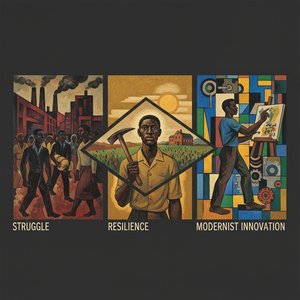
Jacob Lawrence: Narratives of Struggle, Resilience & Modernist Innovation
Explore the powerful narratives of Jacob Lawrence, a pivotal African American artist of the Harlem Renaissance. Discover his iconic 'Migration Series,' dynamic cubism style, and lasting impact on American art history.