

 Se i rummet
 Send
Send Del
Del
 Detaljer
 Studieguide til kunstværker

 Download
 Lignende værker
 Røntgenundersøgelse
 Se diasshow
 Statistik
Maréchal de Saxe
 Pastel
- WallArt
- Rococo Portraiture
 Early Modern
 61.0 x 51.0 cm
 Louvren
 Læs mere
Giclée / Kunsttryk
Giclée- eller lærredstryk i museumskvalitet med hurtig produktion og fleksible muligheder for finish. ( Bestil håndmalet reproduktion Skift til digitalt billede)




P118B Dkr10

P118H Dkr10

P118W Dkr10

P438Z Dkr10

P508JH Dkr12

P508YH Dkr12

P805H Dkr10

P805Z Dkr10

P919BZ Dkr10

P919G Dkr10

P919XJ Dkr10

P959ZH Dkr10

P968JZ Dkr12

W106C Dkr8

W218G Dkr10

W218JH Dkr8

W218Y Dkr10

W307PJ Dkr10

W316G Dkr10

W316PJ Dkr8

W316Y Dkr10

W398PJ Dkr8

W4111J Dkr10

W500HY Dkr15

W500JH Dkr15

W692G Dkr12

W849H Dkr8

W940BG Dkr15

W953PJ Dkr8




Vælg mellem vores forudindstillede størrelser, der matcher kunstværkets originale proportioner.

Indtast den bredde og højde, du har brug for, så det passer til din ramme eller din væg. Et print kan kun beskæres, aldrig gøres større end billedet, så en størrelse med en anden form vil miste en del af motivet. Vi sender dig en digital mockup til godkendelse, før vi printer noget. Billedet vist på denne side viser ikke den faktiske beskæring — det er kun mockuppen, der gør.
Verdensomspændende levering () på 2 uger i stedet for de sædvanlige 4/5 uger. (27 oktober)

Gratis ekspresforsendelse til hele verden

Lærred af linned i høj kvalitet

Komplet transportforsikring

Garanti for refusion af told og importafgifter

Garanti for autentisk farvegengivelse

100 dages returret ved fabrikationsfejl

100% fuld returret

Mængderabat ved flere køb
 Glasmulighed er kun tilgængelig i størrelser under 110 cm

Maréchal de Saxe
Giclée / Kunsttryk
Reproduktionsstørrelse
-


Samlet pris
Dkr 531
A Vision of Rococo Grandeur
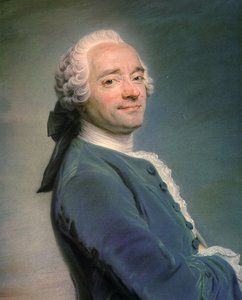
In the delicate dance of light and pigment, few works capture the aristocratic splendor of the eighteenth century as intimately as Maurice Quentin de La Tour’s 1731 pastel portrait, Maréchal de Saxe. To gaze upon this masterpiece is to step directly into the opulent intellectual landscape of Enlightenment France, where every brushstroke—or in this case, every soft application of pastel—serves to elevate the subject beyond mere mortal likeness. The portrait does not simply present a military commander; it orchestrates a symphony of power, prestige, and refined grace. Through the masterful use of the pastel medium, De La Tour achieves an ethereal luminosity that oil paints often struggle to replicate, allowing the skin tones to glow with a lifelike warmth and the fabrics to shimmer with a soft, tactile elegance.
The subject himself, the celebrated Maréchal de Saxe, is rendered with a profound sense of dignity. Clad in the authoritative attire of his station, he wears a striking blue sash draped across his shoulder, a symbol of high rank that cuts through the composition with a regal vibrancy. His black coat, punctuated by meticulously detailed gold buttons, speaks to the wealth and status inherent in his role as an influential advisor to Louis XV. De La Tour’s technical prowess is most evident in the subtle gradations of color; he blends hues of cerulean, cream, and gold so seamlessly that the textures of silk, lace, and skin appear almost tangible. This soft-focus brilliance is a hallmark of the Rococo style, creating an atmosphere that feels both intensely real and dreamily idealized.
The Intersection of Might and Intellect
Beyond the surface beauty of the portrait lies a deeper narrative regarding the cultural zeitgeist of the era. During this period, the ideals of the Enlightenment—reason, virtue, and intellect—were beginning to reshape the French court. De La Tour, a master of characterization, does not merely depict a soldier of war; he presents an embodiment of these very ideals. The Maréchal’s expression, marked by a quiet confidence and a gaze of seasoned wisdom, suggests a man whose strategic brilliance is matched by his philosophical depth. This portrayal aligns beautifully with the spirit of contemporaries like Voltaire, whose influence permeated the artistic circles of the time.
The minimalist background serves a vital compositional purpose, stripping away the distractions of a cluttered landscape to focus the viewer's entire emotional investment on the man himself. By placing the Maréchal against a plain, light-colored void, De La Tour ensures that the interplay of shadow and light on the subject's face becomes the focal point. This choice emphasizes the psychological depth of the sitter, inviting collectors and art enthusiasts to contemplate the weight of responsibility carried by such an influential figure.
An Enduring Legacy for the Discerning Collector
For the interior designer or the passionate art collector, a high-quality reproduction of Maréchal de Saxe offers more than just a decorative element; it provides a window into a vanished era of elegance. The piece possesses a unique ability to anchor a room, bringing a sense of historical gravity and sophisticated charm to any space. Whether placed in a sunlit library or a formal dining hall, the soft textures and regal color palette of the pastel medium evoke a feeling of timeless luxury.
Owning a reproduction of this caliber allows one to celebrate the technical mastery of Maurice Quentin de La Tour, an artist who redefined the possibilities of pastel. The artwork serves as a conversation piece that bridges the gap between the historical grandeur of the French monarchy and the modern aesthetic appreciation for fine detail and emotive portraiture. It is an investment in atmosphere, a tribute to the enduring power of the Rococo spirit, and a profound addition to any curated collection of fine art.
Spørgsmål & svar
Hvem sælger håndmalede kopier af "Maréchal de Saxe" af Maurice Quentin de La Tour?
Håndmalede kopier af "Maréchal de Saxe" af Maurice Quentin de La Tour sælges på denne hjemmeside: en håndmalet oliereproduktion på lærred af hør, bestilt via dens Håndmalet reproduktion-side.
Hvor kan man i dag se "Maréchal de Saxe" af Maurice Quentin de La Tour udstillet?
Du kan se det originale værk "Maréchal de Saxe" på Louvren, Paris, France.
Kan jeg se et røntgenbillede af "Maréchal de Saxe" af Maurice Quentin de La Tour?
Røntgenvisningen af "Maréchal de Saxe" af Maurice Quentin de La Tour findes på værkets Røntgenundersøgelse-side: en interaktiv undersøgelse af billedet gennem elleve optiske lag.
Om kunstneren
Maurice Quentin de La Tour: Et liv i pastel
- Født: 5. september 1704, Saint-Quentin, Frankrig
- Død: 1t. februar 1788, Saint-Quentin, Picardy, Kongeriget Frankrig
- Kendt for: Rococo-portrætkunst i pastel, indfangelse af ligheder med Voltaire, Ludvig XV og Madame de Pompadour.
Tidligt liv og kunstnerisk udvikling
- Maurice Quentin de La Tour blev født ind i en musikalsk familie; hans far, François de La Tour, var musiker for Hertugen af Maine. På trods af familiens oprindelige forventninger valgte Maurice at forfølge malerkunsten.
- Omkring 1724 flyttede han til Paris, hvor han påbegyndte sin kunstneriske karriere. Den tidlige træning omfattede studier hos Jacques Spoede og en kort periode i Reims. En rejse til England i 1725 havde yderligere indflydelse på hans stil.
- Hans tidlige portrætter, såsom det af Voltaire (1731), udviste et spirende talent for at indfange karakter og lighed. Dette portræt blev bemærkelsesværdigt graveret af Langlois, hvilket bragte ham bredere anerkendelse.
Kunstnerisk stil og bemærkelsesværdige værker
- Mesterlig brug af pastel: De La Tour fejres for sin ekstraordinære færdighed i brugen af pasteller. Han benyttede mediet til at skabe portrætter med en bemærkelsesværdig blødhed og delikathed, der indfangede subtile nuancer i både udtryk og tekstur.
- Rococo-indflydelse: Hans arbejde er et eksemplar på Rococo-stilen, som er karakteriseret ved elegance, ynde og et fokus på at skildre det fashionable samfundsliv.
- Bemærkelsesværdige værker:
- Portræt af Voltaire (1731) - Etablerede hans ry tidligt i hans karriere.
- Selvportræt, grinende (ca. 1737) – Viser hans evne til at skildre personlighed og vid.
- Portræt af Madame de Pompadour – En betydningsfuld bestilling, der demonstrerer hans evne til at indfange ligheden hos en fremtrædende skikkelse.
- Portrætter af Ludvig XV - Flere portrætter af den franske konge, som cementerede hans position ved hoffet.
- Salon-udstillinger: Han udstillede regelmæssigt på Paris-salonen, hvor han fremviste en serie på 150 portrætter over tre årtier, hvilket blev et højdepunkt for de besøgende.
Anerkendelse og det senere liv
- Kongelig anerkendelse: I 1737 blev han anerkendt af Det Kongelige Akademi for Maleri og Skulptur. Senere blev han i 1m50 kongens egen portrætmaler.
- Filantropi: Efterhånden som hans velstand voksede, dedikerede de La Tour sig til filantropiske sysler, hvor han grundlagde en tegneskole i Saint-Quentin og støttede fattige kunstnere.
- Psykiske udfordringer: Omkring 1773 oplevede han et nervøst sammenbrud, hvilket førte til perioder med psykisk sygdom og endelig tilbagetrækning til sin fødeby Saint-Quentin.
Eftermæle og historisk betydning
- De La Tours portrætter er højt værdsat for deres psykologiske indsigt og tekniske brillans. Han løftede pastelportrættet til nye højder og påvirkede efterfølgende generationer af kunstnere.
- Hans evne til at indfange essensen af sine motiver – deres personlighed, intelligens og sociale status – gjorde ham til en af de mest eftertragtede portrætmalere i sin tid.
- I dag findes hans værker på prestigefyldte museer verden over, herunder Musée du Louvre, hvilket giver værdifuld indsigt i det 18. århundredes franske samfund og kunstneriske praksis.
Maurice Quentin de La Tour
1704 - 1788 , Frankrig
Hurtige fakta
- Artistic Movement Or Style: Rococo
- Artists Or Movements Influenced By This Artist: ['Jean Restout']
- Artists Who Influenced This Artist: ['Jacques Spoëde']
- Date Of Birth: 5. september 1704
- Date Of Death: 17. februar 1788
- Full Name: Maurice Quentin de La Tour
- Nationality: Fransk
- Notable Artworks:
- Portrait af Voltaire
- Selvportræt, Latter
- Place Of Birth: Saint-Quentin, Frankrig
Relaterede artikler
The Elegance of Rococo Portraiture: A Journey Through Grace, Soft Light, and Pastel Dreams
Discover the exquisite world of Rococo portraiture. Explore the delicate beauty of 18th-century French art, from pastel light to graceful asymmetry, and learn how to bring this era of elegance into your home through masterfully hand-painted oil reproductions.

Maurice Quentin de La Tour: Light, Shadow & the Rococo Portrait
Explore the captivating world of Maurice Quentin de La Tour, a master of Rococo portraiture. Discover his innovative pastel techniques, intimate depictions of French aristocracy, and lasting artistic legacy. Learn more at OriginalUniqueArt.

Goyas Mesterværker: Top 25 Kunstværker fra den Spanske Sjæl – OriginalUniqueArt.com
Oplev Francisco Goyas 25 mest ikoniske kunstværker. Fra portrætter til 'De Sorte Malerier' – dyk ned i den spanske romantiks sjæl og Goyas teknikker. Find museumskvalitets reproduktioner & inspiration til din indretning på OriginalUniqueArt.com.
Georges de La Tour: Luminosity, Spirituality & Realism in Baroque Painting
Discover the captivating world of Georges de La Tour, a Baroque master renowned for his dramatic chiaroscuro & spiritual realism. Explore key works, influences, and his remarkable rediscovery. Learn more at OriginalUniqueArt.
Águeda Ruiz de la Prada: A Study of Eclecticism & Emotional Resonance in Contemporary Spanish Painting
Discover the vibrant world of Ágatha Ruiz de la Prada, a leading figure in contemporary Spanish art. Explore her eclectic style, emotional depth & legacy – a must-read for discerning collectors.