

 Se i rummet
 Del som kort
 Del
Del
 Detaljer
 Guide
Guide

 Download
 Lignende værker
 Røntgenundersøgelse
 Diasshow
 Statistikker
Christ in Glory
 Oil On Canvas
- WallArt
- Baroque
 1660
1660- Renaissance
 220.0 x 253.0 cm
 Pradomuseet
 Vis mere
Giclée / Kunsttryk
Giclée- eller lærredstryk i museumskvalitet med hurtig produktion og fleksible muligheder for finish. ( Køb håndmalet maleri Skift til digitalt billede)




P118B Dkr10

P118H Dkr10

P118W Dkr10

P438Z Dkr10

P508JH Dkr12

P508YH Dkr12

P805H Dkr10

P805Z Dkr10

P919BZ Dkr10

P919G Dkr10

P919XJ Dkr10

P959ZH Dkr10

P968JZ Dkr12

W106C Dkr8

W218G Dkr10

W218JH Dkr8

W218Y Dkr10

W307PJ Dkr10

W316G Dkr10

W316PJ Dkr8

W316Y Dkr10

W398PJ Dkr8

W4111J Dkr10

W500HY Dkr15

W500JH Dkr15

W692G Dkr12

W849H Dkr8

W940BG Dkr15

W953PJ Dkr8




Vælg mellem vores forudindstillede størrelser, der matcher kunstværkets originale proportioner.

Indtast den bredde og højde, du har brug for, så det passer til din ramme eller din væg. Et print kan kun beskæres, aldrig gøres større end selve billedet, så en størrelse med et andet format vil medføre, at dele af motivet går tabt. Vi sender dig en digital mockup til godkendelse, før vi printer noget. Billedet vist på denne side viser ikke den faktiske beskæring — det er kun mockuppen, der gør.
Verdensomspændende levering () på 2 uger i stedet for de sædvanlige 4/5 uger. (28 oktober)

Gratis ekspresforsendelse til hele verden

Lærred af linned i høj kvalitet

Fuld transportforsikring

Garanti for refusion af told og importafgifter

Garanti for præcis farvegengivelse

100 dages returret ved fabrikationsfejl

100% fuld returret

Mængderabat ved flere køb
 Glasmulighed er kun tilgængelig i størrelser under 110 cm

Christ in Glory
Giclée / Kunsttryk
Størrelse på reproduktion
-


Samlet pris
Dkr 532
A Triumph of Baroque Faith: Exploring Mattia Preti’s ‘Christ in Glory’
Mattia Preti, a Calabrian Knight of the Baroque, stands as an emblem of artistic dynamism and fervent devotion during his era. Born in Taverna, Calabria, on February 24, 1613, his journey was marked by absorbing diverse influences—primarily from Caravaggio—resulting in a uniquely expressive style characterized by dramatic chiaroscuro and meticulous realism that would define his oeuvre. Before 1630, he joined his brother Gregorio in Rome, immersing himself in the vibrant artistic landscape of the city and studying the masters who shaped Baroque aesthetics: Caravaggio, Guercino – figures whose mastery of light and shadow profoundly impacted Preti’s approach to painting.The Painting's Dramatic Narrative
“Christ in Glory,” completed around 1660, depicts Jesus Christ enthroned amidst a celestial chorus of angels. The composition is meticulously crafted, reflecting the Baroque preoccupation with conveying spiritual grandeur and emotional intensity. Preti skillfully employs chiaroscuro—the masterful manipulation of light and dark—to sculpt the figures, creating palpable depth and highlighting the divine majesty of Christ’s presence. Angels ascend from various positions around Jesus, their gestures conveying reverence and proclaiming his glory. This visual language aims to transport the viewer into a realm of transcendent beauty and spiritual contemplation.Technical Virtuosity: Preti's Baroque Style
Preti’s technique is rooted in Caravaggist principles—a commitment to naturalistic representation achieved through painstaking observation and anatomical accuracy. He utilized oil paint on canvas, applying thin glazes over underlayers to build up color gradually and achieve luminous effects. The artist’s meticulous attention to detail extends beyond the depiction of figures; he meticulously rendered architectural elements and drapery folds, demonstrating an unparalleled command of artistic craftmanship. This dedication to realism distinguishes Preti's work from earlier Mannerist styles, solidifying his position as a pivotal figure in Baroque art history.Symbolism and Spiritual Significance
The painting transcends mere visual representation; it embodies profound theological symbolism. Christ’s throne signifies divine sovereignty and righteousness, while the angels serve as messengers of God's grace and proclaim Jesus’s divinity. The radiant light emanating from Christ symbolizes divine illumination and spiritual enlightenment—a central theme in Christian iconography. “Christ in Glory” encapsulates the Baroque belief that art could elevate the soul to contemplation of the sacred, fostering a deep connection between humanity and God.A Legacy Enduring Through Reproduction
Today, reproductions of “Christ in Glory” continue to inspire admiration for Preti’s artistic genius and his masterful portrayal of faith and majesty. OriginalUniqueArt.com offers exceptional quality prints that allow collectors and interior designers alike to experience the beauty and emotional power of this iconic Baroque masterpiece—a testament to Preti's enduring influence on Western art history.Spørgsmål og svar
Hvilken teknik er brugt til "Christ in Glory" af Mattia Preti?
"Christ in Glory" af Mattia Preti er udført i Oil On Canvas. Reproduktionerne har til formål at gengive denne tekniks visuelle udtryk.
Hvilken teknik er brugt til "Christ in Glory", og hvad er målene?
"Christ in Glory" af Mattia Preti er udført i Oil On Canvas og har de angivne mål 220 x 253 cm.
Hvor anbefales det at udstille "Christ in Glory" i Square-formatet?
Format (Square) og anbefalet rum (Living Room) er de to placeringsoplysninger, der er registreret for "Christ in Glory" af Mattia Preti.
Kunstnerbiografi
En Calabrisk Ridder i Det Barokke Lys – Mattia Pretis Liv og Arbejde
Mattia Preti, kendt som Il Cavalier Calabrese – den Calabriske Ridder – står som en central figur i det italienske barokmaleri af det 17. århundrede. Han blev født i Taverna, Calabria, den 24. februar 1613, og hans kunstneriske rejse var præget af dynamisk udvikling, hvor han absorberede forskellige indflydelser og kulminerede i en unik stil, der efterlod et varigt aftryk på kunstverdenen, især i Malta, hvor han tilbragte det meste af sit sene liv. Hans tidlige uddannelse begyndte under Giovanni Battista Caracciolo, en maler dybt rodfæstet i Caravaggist-bevægelsen. Denne fundamentale eksponering indgydede ham en dyb forståelse for den dramatiske lys- og skyggeeffekt – chiaroscuro – og et engagement i realistisk fremstilling, som blev kendetegnende for hans arbejde gennem hele karrieren. Før 1630 sluttede han sig til sin bror Gregorio i Rom, hvor han dykkede ned i det kunstneriske virvar af byen og studerede de mestre, der definerede æraen: Caravaggio, Guercino, Rubens, Guido Reni og Giovanni Lanfranco. Denne periode var afgørende for at forme ikke kun hans tekniske færdigheder, men også hans æstetiske sanser.
- Tidlig Uddannelse (1613-1630): Caracciolos indflydelse lagde grundlaget for Pretis forståelse af Caravaggist-teknikker.
- Rom og Mestre (1630-1640): Studier hos de store mestre i Rom, herunder Caravaggio, bidrog til hans udvikling som kunstner.
En Dynamisk Stil – En Syntese af Indflydelser
Pretis kunstneriske udvikling var ikke blot imitation; det var en syntese af indflydelser, omhyggeligt vævet sammen i en stil, der var særligt hans egen. Selvom han oprindeligt var dybt forankret i Caravaggismens strenge rammer, bevægede han sig gradvist ud over dens striktheder og omfavnede den dynamik og følelsesmæssige intensitet, der kendetegnede det højeste barok. Hans tid i Napoli yderligere raffineret denne udvikling ved at udsætte ham for Luca Giordano's livlige arbejde. Denne periode så Pretis lærreds oversvømmet med energisk bevægelse, komplekse kompositioner og en øget følelsesmæssig dramatik. Han mestrede den dramatiske kontrast mellem lys og skygge, arvet fra Caravaggio, ikke blot som et teknisk redskab, men som et middel til at intensivere den følelsesmæssige virkning og guide betragterens øje. Hans figurer er gennemsyret af en tydelig følelse, udtrykt gennem udtryksfulde ansigter og dynamiske kropsholdninger.
- Caravaggistisk Grundlag: Tidlig indflydelse fra Caravaggio's teknikker med lys og skygge.
- Neapolitisk Påvirkning: Luca Giordano’s arbejde bidrog til Preti’s dynamiske stil.
Fra Napoli til Malta – En Udviklende Karriere
Pretis kunstneriske udvikling fortsatte med at tage nye vendinger, og han blev en dygtig maler i forskellige stilarter. Han arbejdede i Rom, hvor han malede fresker i kircherne Sant’Andrea della Valle og San Carlo ai Catinari. I 1644-46 tilbragte han tid i Venedig, men fortsatte sit hjemsted i Rom indtil 1653, hvor han vendte tilbage i 1660-61. Han malede fresker for kirken San Biagio i Modena (1651-52) og deltog i freskodekorationen af Palazzo Pamphilj i Valmontone (1660-61), hvor han arbejdede sammen med Pier Francesco Mola, Gaspar Dughet, Francesco Cozza, Giovanni Battista Tassi (il Cortonese) og Guglielmo Cortese. Under størstedelen af 1653-1660 arbejdede han i Napoli, hvor han blev påvirket af den anden store neapolitanske maler af sin tid, Luca Giordano. Han skabte en række store freskomalerier, der portrætterede den hellige Maria eller helgener, der lever folk fri for pest, som blev malet på syv byporte og nu er tabt til tiden – to skitser for dem findes i Capodimonte Museum i Napoli. Hans løn for arbejdet var 1500 ducater.
- Frescoarbejde i Rom: Freskomalerier i kirkerne Sant’Andrea della Valle og San Carlo ai Catinari.
- Arbejde i Napoli: Påvirket af Luca Giordano, skabte Preti store freskomalerier med religiøse temaer.
St. John's Co-Cathedral – Et Kunstnerisk Klimaks
Det var i Malta, at Mattia Preti nåede højdepunktet af sin kunstneriske præstation. Udnævnt til ridder i Den Malteserranske Orden i 1660, iværksatte han et transformerende projekt: den komplette dekoration af St. John’s Co-Cathedral i Valletta. Dette foretagende – sandsynligvis hans mest betydningsfulde arv – omfattede en imponerende række malerier, der portrætterede livet og martyriet af Sankt Johannes Døberen. Skalaen af projektet er betagende; Preti skabte i bund og grund en visuel fortælling, der omsluttede betragteren og dykkede ham ned i helgens historie. Det overdådige barokke miljø gav den perfekte lærred for hans dramatiske stil, og det resulterende kunstværk cementerede hans ry som en af Europas førende malere. Hans arbejde i St. John’s var ikke blot dekorativt; det var et religiøst udtryk, en testamente til hans tro og et kraftfuldt udtryk for ordenens religiøse identitet.
- St. John's Co-Cathedral: Preti’s mest betydningsfulde projekt, der involverede malerier af helgener og martyrenes liv.
Et Varigt Arv
Mattia Preti fortsatte med at modtage kommissioner fra hele Europa efter sin succes i Malta, hvilket cementerede hans position som en førende figur i det italienske barokmaleri. Han døde i 1699 og efterlod en rig kunstnerisk arv, der stadig inspirerer og fanger publikums opmærksomhed i dag. Hans mesterlige brug af lys og skygge, dynamiske kompositioner og evne til at udtrykke intense følelser er kendetegnende for hans stil. Hans bidrag er bevaret i museer som Capodimonte Museum i Napoli og sikres gennem reproduktioner, der er tilgængelige via platforme som OriginalUniqueArt.com, hvilket sikrer, at hans kunst fortsætter med at nå nye generationer.
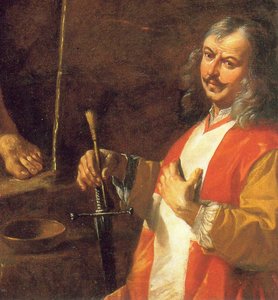
Mattia Preti
1613 - 1699 , Italien
Kort om kunstneren
- Artistic Movement Or Style: Barok
- Artists Or Movements Influenced By This Artist: ['Calabrian School']
- Artists Who Influenced This Artist:
- Caravaggio
- Guercino
- Date Of Birth: 24 feb. 1613
- Date Of Death: 3 jan. 1699
- Full Name: Mattia Preti
- Nationality: Italiensk
- Notable Artworks:
- Absalom's Feast
- Tribute Money
- Place Of Birth: Taverna, Italien
Relaterede artikler

Giclée Prints: Archival Quality & Aesthetic Nuances for the Discerning Collector
Explore the world of giclée prints with OriginalUniqueArt. Learn about archival quality, aesthetic nuances & investment potential. Expert guidance for discerning art collectors seeking museum-quality reproductions and lasting value.

The Enduring Legacy of Fine Art Prints: Technique, History & Aesthetic Impact
Explore the rich history & techniques of fine art prints. Discover investment potential, assess authenticity, and learn how to preserve your collection with expert guidance. Trusted insights for discerning collectors.

The Visceral Stage: Exploring Dramatic Narratives & Emotional Intensity in Baroque Art
Explore the dramatic world of Baroque art! Discover iconic masters like Caravaggio & Rembrandt, their techniques, and the movement's lasting impact. Expert insights for collectors & enthusiasts at OriginalUniqueArt.

The Dramatic Flourish: Exploring the Baroque Movement's Enduring Legacy in Art History
Explore the dramatic world of Baroque art! Discover iconic artists like Caravaggio & Rubens, defining techniques, and its lasting impact on art history. Expert insights for collectors & enthusiasts at OriginalUniqueArt.

Barokkens Drama: Hvordan Storhed og Emotion Bringes Ind i Moderne Interiører
Dyk ned i barokkunstens verden! Lær om stilens historie, karakteristika og hvordan du integrerer dens drama og elegance i dit moderne hjem. Inspiration & ekspertrådgivning.


