

 Se i rummet
 Send
Send Del
Del
 Detaljer
 Studieguide til kunstværker

 Download
 Lignende værker
 Røntgenundersøgelse
 Se diasshow
 Statistik
St Antony the Hermit
 Oil On Panel
- WallArt
- German Renaissance
 1515
1515- Renaissance
 232.0 x 75.0 cm
 Musée d’Unterlinden
 Læs mere
Giclée / Kunsttryk
Giclée- eller lærredstryk i museumskvalitet med hurtig produktion og fleksible muligheder for finish. ( Bestil håndmalet reproduktion Skift til digitalt billede)




P118B Dkr10

P118H Dkr10

P118W Dkr10

P438Z Dkr10

P508JH Dkr12

P508YH Dkr12

P805H Dkr10

P805Z Dkr10

P919BZ Dkr10

P919G Dkr10

P919XJ Dkr10

P959ZH Dkr10

P968JZ Dkr12

W106C Dkr8

W218G Dkr10

W218JH Dkr8

W218Y Dkr10

W307PJ Dkr10

W316G Dkr10

W316PJ Dkr8

W316Y Dkr10

W398PJ Dkr8

W4111J Dkr10

W500HY Dkr15

W500JH Dkr15

W692G Dkr12

W849H Dkr8

W940BG Dkr15

W953PJ Dkr8




Vælg mellem vores forudindstillede størrelser, der matcher kunstværkets originale proportioner.

Indtast den bredde og højde, du har brug for, så det passer til din ramme eller din væg. Et print kan kun beskæres, aldrig gøres større end billedet, så en størrelse med en anden form vil miste en del af motivet. Vi sender dig en digital mockup til godkendelse, før vi printer noget. Billedet vist på denne side viser ikke den faktiske beskæring — det er kun mockuppen, der gør.
Verdensomspændende levering () på 2 uger i stedet for de sædvanlige 4/5 uger. (25 oktober)

Gratis ekspresforsendelse til hele verden

Lærred af linned i høj kvalitet

Komplet transportforsikring

Garanti for refusion af told og importafgifter

Garanti for autentisk farvegengivelse

100 dages returret ved fabrikationsfejl

100% fuld returret

Mængderabat ved flere køb
 Glasmulighed er kun tilgængelig i størrelser under 110 cm

St Antony the Hermit
Giclée / Kunsttryk
Reproduktionsstørrelse
-


Samlet pris
Dkr 531
A Vision of Solitude: The Spiritual Depth of St Antony the Hermit
In the quiet, shadowed corners of art history, few works command the soul with such profound stillness as Matthias Grünewald’s St Antony the Hermit. Completed in 1515, this monumental oil on panel serves as a breathtaking window into the late medieval spirit, captured at the very moment it began to merge with the burgeoning Renaissance aesthetic. The painting does not merely depict a saint; it invites the viewer into a sacred, meditative space. As one gazes upon the elderly figure of St Antony, there is an immediate sense of being transported to a time when art was a direct conduit for the divine. His long, flowing beard and alabaster skin are rendered with a meticulousness that transcends mere representation, offering instead a portrait of spiritual asceticism that feels both ancient and eternally present.
The composition is a masterclass in atmospheric storytelling. Grünewald places the saint within a darkened chamber, where rough stone walls enclose him in a cocoon of isolation. This setting is far from accidental; it symbolizes the hermit’s deliberate detachment from the cacophony of the worldly life in pursuit of a higher truth. The presence of a barred window suggests the confines of a cell or monastery, yet the spiritual expanse within the painting feels limitless. For the collector or the lover of fine art, this piece offers more than just visual beauty; it provides a focal point for contemplation, making it an extraordinary addition to any space dedicated to reflection and peace.
The Alchemy of Color and Light
Technically, Grünewald’s work is a triumph of texture and chiaroscuro. The artist employs a rich, somber palette—deep blacks, muted browns, and earthy tones—which allows the sudden, vibrant strike of crimson to resonate with startling intensity. St Antony’s red robe, draped over a dark tunic, acts as a visual heartbeat within the gloom, drawing the eye toward the saint's contemplative gesture. His right hand, resting gently upon his chest, is a silent testament to prayerful devotion and an unwavering faith that refuses to be extinguished by the surrounding shadows.
The interplay of light and shadow in this work creates a sculptural depth that is rare even among the masters of the Northern Renaissance. Every fold of the fabric and every line etched into the saint's weathered face tells a story of endurance. For interior designers seeking to infuse a room with character and gravitas, a high-quality reproduction of this masterpiece brings a sense of historical weight and dramatic elegance. The painting’s ability to balance heavy, textured realism with an ethereal, spiritual glow makes it a versatile yet commanding presence in sophisticated decor.
A Legacy of Devotion for the Modern Collector
To understand St Antony the Hermit is to understand the unique genius of Matthias Grünewald. Unlike his contemporary Albrecht Dürer, who embraced the classical humanism of Italy, Grünewald remained a poet of the Northern tradition, prioritizing emotional resonance and raw, spiritual truth over formal perfection. This dedication to the "inner life" ensures that his work remains perpetually relevant. In an era of constant digital distraction, the profound silence captured in this panel offers a much-needed sanctuary.
Owning or displaying a reproduction of this work is an act of preserving a piece of German Renaissance history. It is an opportunity to surround oneself with the textures of the past and the enduring power of faith. Whether placed in a private study, a quiet library, or a curated gallery space, St Antony the Hermit serves as a constant reminder of the beauty found in solitude and the strength found in stillness. It is not just a painting; it is an invitation to breathe, to reflect, and to find meaning in the shadows.
Spørgsmål & svar
Hvilken kunstretning er "St Antony the Hermit" af Matthias Grünewald en del af?
Den kunstretning, der er forbundet med "St Antony the Hermit" af Matthias Grünewald, er German Renaissance. Denne klassificering placerer værket blandt relaterede kunstnere og kunstværker.
I hvilken periode blev "St Antony the Hermit" af Matthias Grünewald skabt?
Den historiske periode for "St Antony the Hermit" af Matthias Grünewald er Renaissance. Denne klassificering placerer værket i kunsthistorien.
Hvem har skabt "St Antony the Hermit", og hvornår?
Matthias Grünewald skabte "St Antony the Hermit" i 1515.
Om kunstneren
Matthias Grünewald: Liv og Eftermæle
Tidligt liv og kunstneriske begyndelser
Matthias Grünewald, født som Mathis Gothart Neithardt omkring 1470-14rb5 i Würzburg, Tyskland, var en skelsættende skikkelse i den tyske renæssance. Selvom han levede i en tid, der i stigende grad blev påvirket af de italienske renæssanceidealer, forblev Grünewald dybt forankret i de kunstneriske traditioner fra det senmiddelalderlige Centraleuropa. Detaljer om hans tidlige liv er sparsomme, men det er kendt, at han modtog sin træning som kunstner, sandsynligvis inden for lokale værksteder, hvilket lagde fundamentet for hans tekniske mesterskab.
Kunstnerisk udvikling og indflydelser
Grünewalds kunstneriske udvikling blev formet af de fremherskende nordeuropæiske traditioner præget af realisme, følelsesmæssig intensitet og detaljeret observation. Hans værk viser tydelige spor af indflydelse fra mestre som Albrecht Dürer og Martin Schongauer, men han banede sin egen unikke vej, karakteriseret ved dramatisk udtryk og levende farver. Han var ikke direkte involveret i de humanistiske kredse, der blomstrede i Italien; i stedet tjente hans kunst primært religiøse formål og reflekterede de åndelige bekymringer og den eksistentielle angst, der prægede hans samtid.
Hovedværker og kunstnerisk stil
- Isenheim-altertavlen (1512-1516): Dette mesterværk, som opbevares på Musée d'Unterlinden i Colmar, betragtes som Grünewalds magnum opus. Det skildrer scener fra Kristi liv med en rystende realisme, med et særligt fokus på lidelse og forløsning.
- Korsfæstelsen (ca. 1502-1503): Et tidligt værk, der demonstrerer hans spirende stil og udviser intens emotion og anatomisk præcision.
- Jomfruen ved Bebudelsen (1512-14): En studie til Isenheim-altertavlen, som afslører hans omhyggelige planlægningsproces.
- Moses (1511): En tegning, der fremhæver Grünewalds evne til at indfange ekspressive figurer og dramatiske positurer.
Grünewalds stil er særligt kendetegnet ved:
- Dramatisk komposition: Han benyttede dynamiske arrangementer for at forstærke den følelsesmæssige gennemslagskraft.
- Levende farvepalette: Hans brug af intense og ofte kontrasterende farver skabte en kraftfuld visuel oplevelse.
- Realistisk skildring af lidelse: Grünewald veg ikke tilbage fra at portrætætte den fysiske og følelsesmæssige smerte, der er forbundet med de religiøse fortællinger.
- Ekspressive figurer: Hans figurer er gennemtrængt af stærke følelser og psykologisk dybde.
Historisk betydning og eftermæle
Grünewalds arbejde står som et vidnesbyrd om den vedvarende kraft i de middelalderlige kunsttraditioner i Tyskland under renæssancen. Han byggede bro mellem den sengotiske stil og den fremspirende renæssance og skabte et unikt visuelt sprog, der resonerede dybt hos hans samtidige. Hans indflydelse kan ses hos senere tyske kunstnere, som fortsatte med at udforske temaer om religiøs hengivenhed og følelsesmæssig intensitet. Selvom han i vid udstrækning blev glemt i århundreder efter sin død i 1528, oplevede Grünewald en genfødsel i det 19. århundrede, og i dag anerkendes han som en af de vigtigste malere i den tyske renæssance. Hans kunst fortsætter med at fange beskueren med sin rå emotion, tekniske brillans og dybe spirituelle dybde.
Videre udforskning
Opdag mere om Matthias Grünewalds liv og værker hos: OriginalUniqueArt

Matthias Grünewald
1480 - 1528 , Tyskland
Hurtige fakta
- Artistic Movement Or Style: Nordlige Renæssancen
- Artists Or Movements Influenced By This Artist: ['Tysk Kunst']
- Artists Who Influenced This Artist:
- Albrecht Dürer
- Martin Schongauer
- Date Of Birth: c. 1470-1480
- Date Of Death: 31. august 1528
- Full Name: Matthias Grünewald
- Nationality: Tysk
- Notable Artworks:
- Isenheim Altarpiece
- Kreuzigung
- Jungfrau Maria
- Place Of Birth: Würzburg, Tyskland
Relaterede artikler
High Medieval Art: 10 Masterpieces That Shaped an Era | OriginalUniqueArt
Journey through High Medieval Art! Explore 10 iconic masterpieces – from Giotto's frescoes to stunning Gothic cathedrals. Discover the stories behind these timeless paintings, sculptures & illuminated manuscripts. Find museum-quality art reproductions at OriginalUniqueArt.com.
Late Medieval Masterpieces: 10 Artworks That Defined an Era | OriginalUniqueArt
Journey through 10 defining Late Medieval masterpieces – from Giotto's frescoes to Jan van Eyck’s realism. Explore the stories, techniques & vibrant colors of Gothic art. Find museum-quality reproductions and elevate your home decor with OriginalUniqueArt.com! Discover all masterpieces on OriginalUniqueArt.com
Illuminating Belief: A Visual Exploration of Faith Across Artistic Movements & Historical Contexts
Explore the rich history of faith through art! Discover Renaissance masterpieces, iconic artists & religious symbolism with expert analysis from OriginalUniqueArt. Perfect for collectors and enthusiasts.
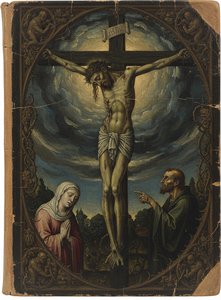
Matthias Grünewald: Devotion, Distortion & Spiritual Turmoil in Renaissance Art
Explore the profound religious art of Matthias Grünewald, master of the Isenheim Altarpiece. Discover his unique expressionism, symbolism & lasting impact on Renaissance painting. A guide for collectors and enthusiasts.

Divine Splendor: A Guide to the Sacred Beauty and Symbolic Depth of High Medieval Art
Embark on a scholarly journey through the sacred beauty of High Medieval art. Discover the profound symbolism, luminous iconography, and spiritual depth of Gothic masterpieces in this expert guide for classical art enthusiasts.


