
 Se i fuld skala
 Del
Del Del
Del
 Detaljer

 Download
 Lignende værker
 Røntgenundersøgelse
 Diasshow
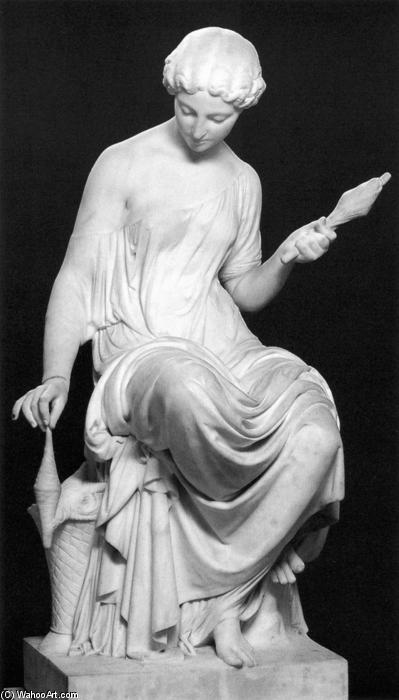
Woman Spinning


 Se mere
Håndlavet oliereproduktion
Håndmalet olie på lærred i din valgte størrelse og ramme, udført efter bestilling af vores kunstnere. ( Køb print Køb billede)




































Vælg mellem vores forudindstillede størrelser, der matcher kunstværkets originale proportioner.

Du kan indtaste dine egne mål for at passe til en bestemt ramme eller plads. Hvis den valgte størrelse ikke stemmer overens med det originale billedes proportioner, vil vi enten beskære kunstværket eller udvide maleriet med yderligere håndmalede elementer. En digital skitse sendes til din godkendelse, før produktionen påbegyndes.
Bemærk venligst, at forhåndsvisningen på skærmen ikke afspejler den faktiske beskæring eller udvidelse. Kun skitsen vil nøjagtigt vise den endelige komposition.
Selvom specialmål er mulige, anbefaler vi at vælge en dimension fra den foruddefinerede liste for at bevare de originale proportioner.
Efter bestilling vil OriginalUniqueArt.com team sende en e-mail til kunden for at få instruktioner og levere et udkast til en skitse.
Levering i hele verden () på 3/4 uger i stedet for de standard 5 uger. (20 august). Ingen kompromiser med kvaliteten.

Gratis ekspresforsendelse til hele verden

Lærred af linned i høj kvalitet

Fuld transportforsikring

Garanti for refusion af told og importafgifter

Garanti for præcis farvegengivelse

60 dages returret (kun ved fabrikationsfejl)

100% Tilfredshedsgaranti

Mængderabat tilgængelig
 Glasmulighed er kun tilgængelig i størrelser under 110 cm

Woman Spinning
Reproduktionsmetode
Størrelse på reproduktion
-


Samlet pris
$ 300
Kunstnerens biografi
Mathurin Moreau (1822–1912): The Silent Sculptor of Symbolism
Mathurin Moreau (November 18, 1822 – February 14, 1912) stands as a pivotal figure in French sculpture during the late Romantic and early Symbolist eras. Born in Dijon, Burgundy, he emerged from a family steeped in artistic tradition—his father, Jean Baptiste Moreau, was also a sculptor—establishing him within a milieu acutely attuned to aesthetic innovation and spiritual contemplation. While overshadowed by contemporaries like Auguste Rodin and Alexandre Baryshnikov, Moreau’s distinctive style – characterized by meticulous detail and an unwavering commitment to classical form infused with evocative symbolism – cemented his place as one of the foremost sculptors of his time.- Early Life & Training: Moreau's formative years were spent honing his craft under the tutelage of his father, absorbing the principles of academic sculpture—a style prioritizing anatomical accuracy and idealized beauty—that dominated Parisian artistic circles during the mid-nineteenth century. This grounding in tradition would prove invaluable as he navigated the evolving landscape of artistic expression.
- The École des Beaux Arts & The Prix de Rome: Moreau’s enrollment at the École des Beaux Arts in Paris marked a crucial step toward establishing his professional career. He swiftly gained recognition for his talent and secured the Second Grand Prix de Rome in 1848 with his sculpture *Diodemus removing the Palladium*, demonstrating an exceptional grasp of sculptural technique and artistic vision.
- Notable Sculptures & Artistic Style: Moreau’s oeuvre encompasses a remarkable range of commissions, reflecting both public patronage and private commissions. Among his most celebrated works are *Cologne*, a monumental façade sculpture for Cologne Cathedral showcasing masterful craftsmanship and conveying solemn grandeur; *L'Océanie*, an ambitious centerpiece for the Exposition Universelle in Paris that embodies Symbolist ideals through its depiction of turbulent seascapes and mythological figures; and *Zénobe Gramme*, a poignant tribute to the engineer Zénobe Gramme, executed with remarkable sensitivity. His sculptures are distinguished by their meticulous attention to detail, refined surfaces, and an expressive use of drapery—elements that imbue his creations with palpable emotion and psychological depth.
Symbolism & Mythological Influences
Moreau’s artistic sensibilities were profoundly shaped by the burgeoning Symbolist movement, which rejected realism in favor of exploring inner states of mind and conveying spiritual truths through evocative imagery. Artists like Gustave Moreau—who served as a mentor to Moreau—championed the use of mythological narratives and biblical allegories as vehicles for communicating profound philosophical concepts. Moreau’s sculptures frequently drew inspiration from classical mythology, particularly tales of heroic struggles and divine intervention, mirroring the Symbolist preoccupation with confronting existential anxieties and celebrating transcendent beauty. He meticulously researched ancient texts and iconography, translating complex ideas into tangible forms that resonated with viewers on an emotional level.- Gustave Moreau’s Influence: Moreau's artistic journey was significantly impacted by Gustave Moreau’s teachings at the École des Beaux Arts, who instilled in him a belief in Symbolism’s capacity to transcend mere representation and communicate spiritual essence.
- Mythological Themes: Recurring motifs from Greek mythology—such as Prometheus stealing fire from Zeus—appear prominently in Moreau's sculptures, symbolizing humanity's aspiration for enlightenment and its confrontation with divine authority.
Major Achievements & Legacy
Moreau’s artistic accomplishments garnered considerable acclaim during his lifetime, culminating in the prestigious Medal of Honor awarded by the Salon of 1897—a testament to his enduring reputation as a sculptor of exceptional skill and artistry. He served as mayor of the 19th arrondissement of Paris for several decades, demonstrating civic engagement alongside his creative pursuits. Beyond his sculptural output, Moreau’s influence extended into teaching and mentoring younger artists, fostering a tradition of meticulous craftsmanship and symbolic expression that continued to inspire generations of sculptors. His enduring legacy resides in his contribution to Symbolist art—a movement that irrevocably altered the course of European artistic history—and in his unwavering devotion to classical ideals blended with profound spiritual contemplation.Notable Works & Recognition
Moreau’s sculptures stand as monuments to both technical mastery and artistic vision, embodying the spirit of Symbolism's quest for beauty and truth. Among his most iconic creations are *Cologne*, *L'Océanie*, *Zénobe Gramme*, *Monument de Joigneaux*, and *Tomb of Zenobe Gramme*. These works continue to captivate audiences worldwide, serving as enduring symbols of French artistic heritage and demonstrating Moreau’s unparalleled ability to translate complex ideas into emotionally resonant forms. His sculptures are housed in prominent museums across Europe and North America, ensuring that his artistic legacy will endure for centuries to come.
mathurin moreau
1822 - 1912 , France
Kort om kunstneren
- Artistic Movement Or Style: Symbolism
- Artists Or Movements Influenced By This Artist: ['Symbolism']
- Artists Who Influenced This Artist: ['Gustave Moreau']
- Date Of Birth: November 18, 1822
- Date Of Death: February 14, 1912
- Full Name: Mathurin Moreau
- Nationality: French
- Notable Artworks:
- Woman Spinning
- Victoria Park Fountain
- Cologne
- Place Of Birth: Dijon, France

