

 Se i fuld skala
 Del
Del Del
Del
 Detaljer

 Download
 Lignende værker
 Røntgenundersøgelse
 Diasshow
 Statistik
Saint Matthew
 Gothic
 1200
1200 5.0 x 18.0 cm
 Catedral de Santiago Foundation Museum
 Se mere
Håndlavet oliereproduktion
Håndmalet olie på lærred i din valgte størrelse og ramme, udført efter bestilling af vores kunstnere. ( Skift til print Skift til digitalt billede)




































Vælg mellem vores forudindstillede størrelser, der matcher kunstværkets originale proportioner.

Du kan indtaste dine egne mål for at passe til en bestemt ramme eller plads. Hvis den valgte størrelse ikke stemmer overens med det originale billedes proportioner, vil vi enten beskære kunstværket eller udvide maleriet med yderligere håndmalede elementer. En digital skitse sendes til din godkendelse, før produktionen påbegyndes.
Bemærk venligst, at forhåndsvisningen på skærmen ikke afspejler den faktiske beskæring eller udvidelse. Kun skitsen vil nøjagtigt vise den endelige komposition.
Selvom specialmål er mulige, anbefaler vi at vælge en dimension fra den foruddefinerede liste for at bevare de originale proportioner.
Efter bestilling vil OriginalUniqueArt.com team sende en e-mail til kunden for at få instruktioner og levere et udkast til en skitse.
Levering i hele verden () på 3/4 uger i stedet for de standard 5 uger. (15 september). Ingen kompromiser med kvaliteten.

Gratis ekspresforsendelse til hele verden

Lærred af linned i høj kvalitet

Fuld transportforsikring

Garanti for refusion af told og importafgifter

Garanti for præcis farvegengivelse

100 dages returret (kun ved fejl og mangler)

100% Tilfredshedsgaranti

Mængderabat tilgængelig
 Glasmulighed er kun tilgængelig i størrelser under 110 cm

Saint Matthew
Reproduktionsmetode
Størrelse på reproduktion
-


Samlet pris
$ 300
Kunstnerens biografi
The Soul of Santiago’s Glory
Master Mateo, a sculptor whose name remains shrouded in mystery despite his monumental contribution to the Catedral de Santiago de Compostela Cathedral, stands as one of the most revered figures of Romanesque art in Spain. Born around 1161 in Galicia, though precise details about his life are scarce, Mateo’s legacy rests primarily on his unparalleled achievement: the Portico de la Gloria. This breathtaking architectural marvel dominates the cathedral’s façade and embodies the spiritual fervor of the twelfth century. He emerged as a sculptor during a period marked by fervent religious devotion and artistic innovation, stepping into a world where the pilgrimage route to Santiago was already a transformative journey for thousands of souls.
The genesis of his greatest work began around 1188, when he was tasked with overseeing the creation of the triple doorway that would become his magnum opus. The Cathedral project itself had been conceived decades earlier, driven by King Alfonso VIII and fueled by the immense religious significance of the site. Within this sacred context, Mateo did not merely carve stone; he breathed life into it. His involvement in the Portico de la Adamant was a divine undertaking, transforming a structural necessity into a theological narrative that continues to captivate pilgrims and art historians alike.
A Symphony in Stone: Technique and Style
Mateo's sculptural style is characterized by a remarkable realism that represented a profound departure from earlier, more rigid Romanesque conventions. While his contemporaries often relied on stylized, flat figures, Mateo meticulously studied human anatomy and the complex behavior of drapery, achieving an astonishing accuracy in his depictions. His mastery of limestone carving was unparalleled, particularly through his use of a technique known as trabajo vivo. This method involved layering stone slabs to create textured surfaces that mimicked the appearance of flesh and fabric, lending a sense of movement and vitality to the static medium.
This innovative approach allowed him to bridge the gap between the earthly and the divine. When observing his work, one can see how he skillfully employed light and shadow to enhance the depth of his reliefs. His ability to manipulate stone to suggest the softness of a saint's robe or the muscular tension of a biblical figure elevated his craftsmanship to a level of sophistication rarely seen in the Middle Ages. This technical brilliance ensured that his figures were not merely symbols, but palpable presences within the cathedral's entrance.
The Portico de la Gloria: A Testament to Faith
The Portico de la Gloria serves as the ultimate testament to Mateo’s artistic and spiritual vision. Its central panels depict profound scenes from the Gospels—including the Nativity, Annunciation, and the Crucifixion—arranged in a way that guides the viewer through a sacred history. The iconography is vast and complex, featuring:
- The Central Arch: Featuring iconic figures such as Saint Luke, where the intricate Romanesque sculpture displays profound religious symbolism.
- The Left Arch: A masterclass in 12th-century Spanish relief carving, showcasing detailed biblical narratives.
- The Right Arch: An exhibition of intricate beauty that demonstrates his ability to manage complex architectural and sculptural integration.
Through these works, Mateo achieved a level of historical significance that transcends the era of his birth. He transitioned the Romanesque style toward the burgeoning elegance of the Gothic, leaving behind a legacy that remains the heartbeat of Santiago de Compostela. His work stands as a permanent bridge between the medieval mind and the eternal, ensuring that even centuries after his death in 1217, the glory of his stone symphony continues to inspire awe.

master mateo
1161 - 1217 , Spain
Kort om kunstneren
- Artistic Movement Or Style: Romanesque Sculpture
- Date Of Birth: c. 1150
- Date Of Death: c. 1217
- Full Name: Mateo de Compostela
- Nationality: Spanish
- Notable Artworks: ['Portico de la Gloria']
- Place Of Birth: Spain
Relaterede artikler

The Enduring Form: Sculpture Across History, Technique & Emotional Resonance
Explore the rich history of sculpture with OriginalUniqueArt. Discover key techniques, influential artists & investment potential for discerning collectors. Expert insights into valuing and collecting timeless masterpieces.
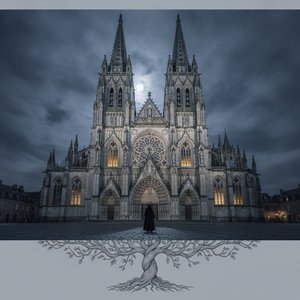
Shadows & Splendor: A Journey Through the Soul of Gothic Art and Architectural Grandeur
Embark on a profound journey through the spiritual intensity of Gothic art. Explore the architectural marvels, luminous stained glass, and sacred sculptures that define this era of grandeur and human devotion.

Top 10 Bronzemesterværker: Kunsthistorien Ændret for Evigt | OriginalUniqueArt.dk
Oplev de 10 mest legendariske bronzemesterværker, der har formet kunsthistorien! Fra Rodin til Degas – lær historierne bag ikoniske skulpturer og find inspiration til din indretning. Køb museumskvalitets reproduktioner på OriginalUniqueArt.com.

Bronzeskulpturers Mestre: 10 Værker der Ændrede Kunsthistorien | OriginalUniqueArt
Oplev de 10 mest legendariske bronzeskulpturer, der har formet kunsthistorien! Fra Rodin til Vigeland – lær historierne bag mesterværkerne og find inspiration til din indretning. Køb museumskvalitets reproduktioner på OriginalUniqueArt.com.

The Enduring Form: Exploring Themes & Techniques in Sculpture Across Historical Periods
Explore the rich history of sculpture from ancient masterpieces to contemporary innovations. Discover key techniques, influential artists & investment potential for discerning art collectors.