
 Se i fuld skala
 Del
Del Del
Del
 Detaljer

 Download
 Lignende værker
 Røntgenundersøgelse
 Diasshow
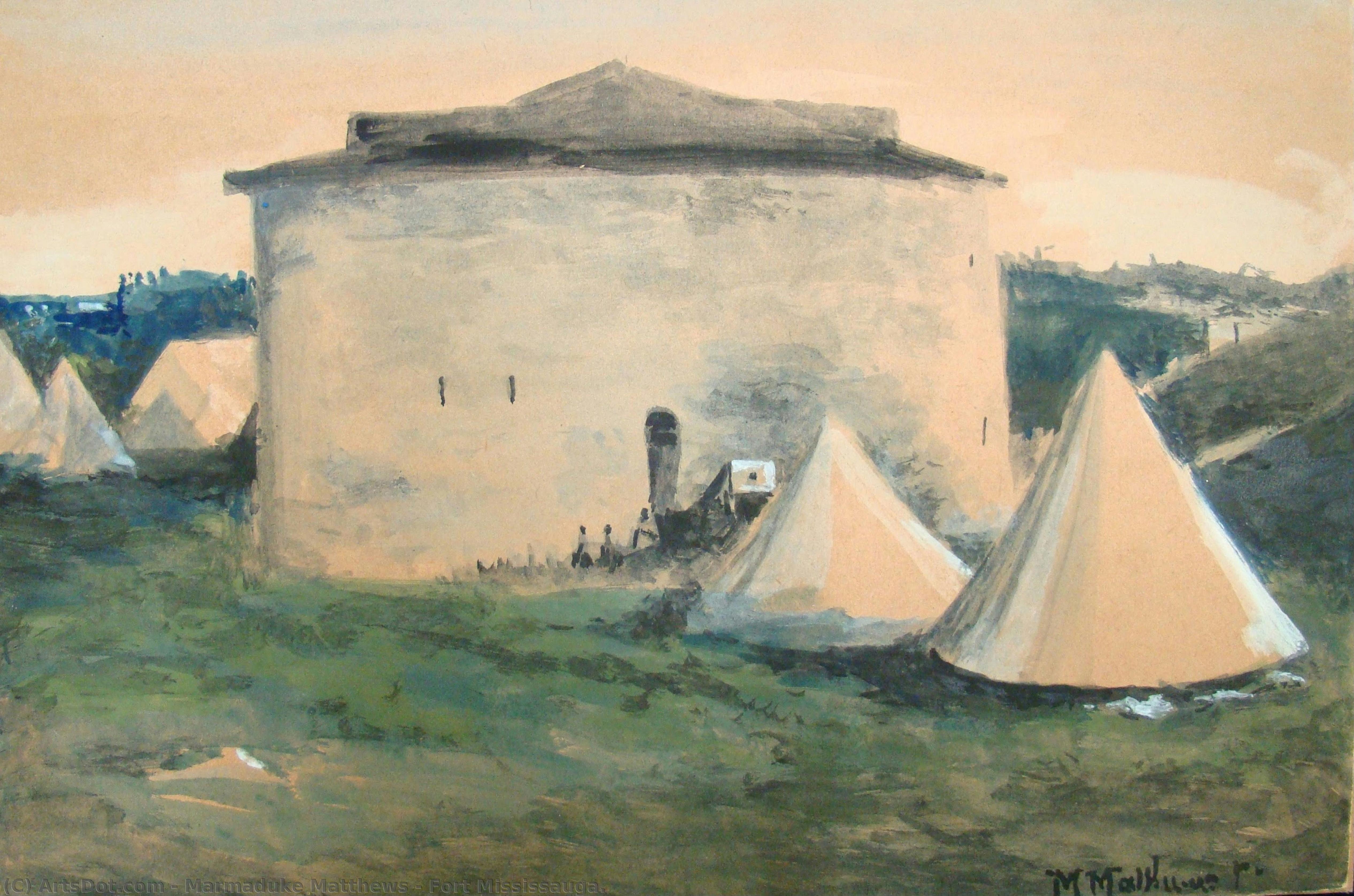
Fort Mississauga.

 Se mere
Håndlavet oliereproduktion
Håndmalet olie på lærred i din valgte størrelse og ramme, udført efter bestilling af vores kunstnere. ( Køb print Køb billede)




































Vælg mellem vores forudindstillede størrelser, der matcher kunstværkets originale proportioner.

Du kan indtaste dine egne mål for at passe til en bestemt ramme eller plads. Hvis den valgte størrelse ikke stemmer overens med det originale billedes proportioner, vil vi enten beskære kunstværket eller udvide maleriet med yderligere håndmalede elementer. En digital skitse sendes til din godkendelse, før produktionen påbegyndes.
Bemærk venligst, at forhåndsvisningen på skærmen ikke afspejler den faktiske beskæring eller udvidelse. Kun skitsen vil nøjagtigt vise den endelige komposition.
Selvom specialmål er mulige, anbefaler vi at vælge en dimension fra den foruddefinerede liste for at bevare de originale proportioner.
Efter bestilling vil OriginalUniqueArt.com team sende en e-mail til kunden for at få instruktioner og levere et udkast til en skitse.
Levering i hele verden () på 3/4 uger i stedet for de standard 5 uger. (18 august). Ingen kompromiser med kvaliteten.

Gratis ekspresforsendelse til hele verden

Lærred af linned i høj kvalitet

Fuld transportforsikring

Garanti for refusion af told og importafgifter

Garanti for præcis farvegengivelse

60 dages returret (kun ved fabrikationsfejl)

100% Tilfredshedsgaranti

Mængderabat tilgængelig
 Glasmulighed er kun tilgængelig i størrelser under 110 cm

Fort Mississauga.
Reproduktionsmetode
Størrelse på reproduktion
-


Samlet pris
$ 300
Kunstnerens biografi
Marmaduke Matthews: Painter of the Canadian Wilderness
Marmaduke Matthews (1837-1913) stands as a pivotal figure in the development of Canadian landscape painting, a man whose career unfolded across both England and Canada, leaving behind a legacy deeply intertwined with the burgeoning artistic community of Toronto and the vast, dramatic beauty of the Canadian Rockies and prairies. Born in Barcheston, Warwickshire, England, Matthews’ early life was marked by a traditional upbringing that ultimately yielded to his fervent passion for art – a desire he pursued with unwavering dedication, eventually leading him to the vibrant and rapidly evolving landscape of 19th-century Canada.
Initially trained in watercolour at Oxford University, Matthews’ artistic sensibilities were refined through formal study but it was his relocation to Toronto in 1860 that truly ignited his career. He quickly established himself as a skilled painter of the Canadian wilderness, securing a prestigious commission from the Canadian Pacific Railway. This pivotal role afforded him unparalleled access to some of Canada's most breathtaking landscapes – the sweeping prairies, the towering Rocky Mountains, and the meandering rivers that carved their way through this vast territory. His work for the railway wasn’t merely documentation; it was an attempt to capture the spirit and grandeur of a nation in its infancy, a visual testament to the promise and potential of the Canadian West.
Matthews's artistic process is particularly noteworthy. Accounts suggest he frequently sketched directly from the moving spectacle of a railway locomotive – specifically, from the cowcatcher, offering an unprecedented vantage point for observing the ever-changing panorama of the prairie landscape. This unconventional approach imbued his paintings with a dynamic energy and immediacy, reflecting the relentless motion and vast scale of the Canadian wilderness. His style leaned towards a romantic sensibility, reminiscent of the French School painters like Corot and Millet, characterized by soft brushwork, atmospheric perspective, and an emphasis on capturing the emotional resonance of nature rather than merely replicating its details.
Founding Roles and Artistic Community
Beyond his contributions to railway art, Matthews played a crucial role in shaping the artistic landscape of Toronto. He was instrumental in establishing both the Ontario Society of Artists (OSA) and the Royal Canadian Academy of Arts (RCA), institutions that would become cornerstones of Canadian art education and exhibition. His involvement wasn’t simply as a member; he actively participated in their governance, demonstrating a deep commitment to fostering artistic growth within his adopted home.
Perhaps most famously, Matthews is remembered for the creation of Wychwood Park in 1874 – a substantial plot of land adjacent to his former residence. This visionary project was conceived as an artists’ community, providing affordable housing and studio space for fellow painters. Wychwood Park quickly evolved into one of Toronto's most desirable neighborhoods, a testament to Matthews’ foresight and the enduring appeal of this artistic haven. The area remains today a vibrant, affluent neighborhood, a tangible reminder of Matthews’ lasting impact on the city’s cultural fabric.
Notable Works and Artistic Style
Matthews’ oeuvre is characterized by a remarkable range of subjects, reflecting his extensive travels and deep appreciation for the Canadian landscape. His paintings frequently depict expansive prairie vistas bathed in golden light, dramatic mountain scenes rendered with meticulous detail, and intimate portraits of rural life. His use of color was particularly striking – he masterfully employed atmospheric hues to evoke mood and atmosphere, creating a sense of depth and realism that captivated viewers.
Among his most celebrated works are depictions of Fort Mississauga (available for viewing at OriginalUniqueArt.com), showcasing his ability to capture the essence of a historic site within its natural surroundings, and numerous landscapes of the Rocky Mountains, which earned him considerable acclaim at international exhibitions. His paintings are held in prominent collections across Canada, including the National Gallery of Canada, the Art Gallery of Ontario, and the Robert McLaughlin Gallery.
Legacy and Historical Significance
Marmaduke Matthews’ contribution to Canadian art extends far beyond his individual artistic achievements. He served as a bridge between European artistic traditions and the emerging Canadian identity, helping to establish a distinct national style within the broader context of international art history. His role in founding key artistic organizations solidified his position as a pivotal figure in shaping Canada's cultural landscape.
Today, Matthews is remembered not only for his stunning paintings but also for his dedication to fostering artistic community and promoting Canadian art on an international stage. His legacy continues to inspire artists and art enthusiasts alike, reminding us of the enduring power of nature and the transformative potential of artistic vision. His work can be found at Wikipedia for further information.

Marmaduke Matthews
1837 - 1913 , United Kingdom
Kort om kunstneren
- Artistic Movement Or Style: Landscape painting
- Artists Or Movements Influenced By This Artist:
- Ontario Society Artists
- Royal Canadian Academy
- Artists Who Influenced This Artist: ['Jean Corot']
- Date Of Birth: 29 August 1837
- Date Of Death: 24 September 1913
- Full Name: Marmaduke Matthews
- Nationality: English-Canadian
- Notable Artworks:
- Fort Mississauga
- Wychwood Park
- Place Of Birth: Barcheston, England

