
 Se i rummet
 Del som kort
 Del
Del
 Detaljer
 Guide
Guide

 Download
 Lignende værker
 Røntgenundersøgelse
 Diasshow
 Spørgsmål og svar
 Statistikker
Bust of a young Boy

- 59.0 x 48.0 cm


 Vis mere
Kunstværket vist på denne side er beskyttet af ophavsretsloven, hvilket betyder, at vi ikke lovligt kan skabe eller sælge en identisk reproduktion. Denne beskyttelse håndhæves i henhold til internationale aftaler som f.eks. den Bernerkonventionen og af nationale love, herunder de bestemmelser, der er fastlagt i Amerikansk ophavsretslov - Titel 17.
Denne metode overholder fuldt ud ophavsretsreglerne, da den ikke indebærer kopiering eller duplikering af det beskyttede kunstværk. I stedet er der tale om en kreativ nytolkning – et nyt maleri, som er inspireret af det oprindelige, men ikke identisk med det.
Giclée / Kunsttryk
Giclée- eller lærredstryk i museumskvalitet med hurtig produktion og fleksible muligheder for finish. ( Køb håndmalet maleri Skift til digitalt billede)




P118B Dkr10

P118H Dkr10

P118W Dkr10

P438Z Dkr10

P508JH Dkr12

P508YH Dkr12

P805H Dkr10

P805Z Dkr10

P919BZ Dkr10

P919G Dkr10

P919XJ Dkr10

P959ZH Dkr10

P968JZ Dkr12

W106C Dkr8

W218G Dkr10

W218JH Dkr8

W218Y Dkr10

W307PJ Dkr10

W316G Dkr10

W316PJ Dkr8

W316Y Dkr10

W398PJ Dkr8

W4111J Dkr10

W500HY Dkr15

W500JH Dkr15

W692G Dkr12

W849H Dkr8

W940BG Dkr15

W953PJ Dkr8




Vælg mellem vores forudindstillede størrelser, der matcher kunstværkets originale proportioner.

Indtast den bredde og højde, du har brug for, så det passer til din ramme eller din væg. Et print kan kun beskæres, aldrig gøres større end selve billedet, så en størrelse med et andet format vil medføre, at dele af motivet går tabt. Vi sender dig en digital mockup til godkendelse, før vi printer noget. Billedet vist på denne side viser ikke den faktiske beskæring — det er kun mockuppen, der gør.
Verdensomspændende levering () på 2 uger i stedet for de sædvanlige 4/5 uger. (4 november)

Gratis ekspresforsendelse til hele verden

Lærred af linned i høj kvalitet

Fuld transportforsikring

Garanti for refusion af told og importafgifter

Garanti for præcis farvegengivelse

100 dages returret ved fabrikationsfejl

100% fuld returret

Mængderabat ved flere køb
 Glasmulighed er kun tilgængelig i størrelser under 110 cm

Bust of a young Boy
Giclée / Kunsttryk
Størrelse på reproduktion
-


Samlet pris
Dkr 538
A Portrait of Quietude: Mario Sironi's "Bust of a Young Boy" (1925)
Mario Sironi’s “Bust of a Young Boy,” painted in 1925, is more than just a portrait; it’s a profound meditation on solitude and the weight of unspoken emotion. This striking work, measuring 59 x 48 cm, immediately draws the viewer into its melancholic atmosphere through a masterful deployment of color and texture that speaks directly to the tenets of Post-Impressionism and foreshadows the burgeoning Expressionist movement. The painting’s power resides in its ability to evoke a sense of quiet introspection, inviting contemplation on themes of vulnerability and perhaps even a subtle sadness.
Technique and Style: A Gestural Embrace
- Oil Paint & Palette Knife: Sironi’s technique is characterized by bold, gestural brushstrokes – or, more accurately, the application of paint with a palette knife. This creates a remarkably textured surface, denying any illusion of smooth perfection and emphasizing the artist's deliberate engagement with the medium.
- Reduced Forms & Flattened Perspective: The figure’s features are simplified and abstracted, prioritizing volume and form through color and texture over meticulous realism. The flattened perspective further contributes to this dreamlike quality, eliminating traditional depth cues and intensifying the emotional impact.
- Warm Earth Tones: Dominated by warm, earthy tones – ochres, browns, and muted reds – the palette reinforces the painting’s somber mood, creating a sense of intimacy and drawing the viewer into the subject's private world.
Historical Context & Influences: From Divisionism to Emotional Intensity
Sironi’s artistic journey reflects the shifting landscape of Italian art in the early 20th century. Initially influenced by Divisionism, a technique that sought to capture light through separated colors – evident in works like “The Student” – he briefly flirted with Futurism around 1914 before rejecting its emphasis on dynamism and embracing a more introspective approach. The painting’s creation occurred after World War I, a period of profound disillusionment and societal upheaval that undoubtedly shaped Sironi's artistic vision. This post-war sensibility is palpable in the work’s emotional intensity – a deliberate departure from objective observation towards conveying subjective experience.
Symbolism & Emotional Resonance: A Portrait of Vulnerability
The subject’s downcast gaze and downturned mouth immediately communicate a sense of melancholy, inviting viewers to consider the weight of unspoken thoughts. The muted colors and expressionless face could be interpreted as representing vulnerability or quiet contemplation – a poignant symbol of human fragility in the face of life's uncertainties. Sironi skillfully avoids overt narrative, allowing the viewer to project their own emotions and interpretations onto the image, thereby amplifying its emotional resonance.
A Statement Piece for Your Collection
This hand-painted reproduction captures the essence of Sironi’s masterpiece, offering a timeless work of art that will undoubtedly become a focal point in any interior space. Its evocative style and profound symbolism make it an ideal addition to discerning collections and a source of inspiration for those seeking to infuse their surroundings with quiet contemplation and emotional depth.
Spørgsmål og svar
Hvilken stilart og hvilken epoke tilhører "Bust of a young Boy" af Mario Sironi?
"Bust of a young Boy" tilhører Expressionism-retningen, og dets skaber arbejdede i Moderne tid-æraen.
Hvad forestiller "Bust of a young Boy"?
Motiverne i "Bust of a young Boy" er portrait, melancholy, solitude, introspection, earth tones, expressionism, young figure.
Hvordan forbinder "Bust of a young Boy" af Mario Sironi Expressionism med kunstnerens hjemland?
"Bust of a young Boy" forbinder Expressionism-bevægelsen med Italien gennem skaberens fødested.
Kunstnerbiografi
Mario Sironi: Et liv i moderne italiensk kunst
Tidligt liv og uddannelse
- Født den 12. maj 1885 i Sassari, Sardinien, Italien.
- Hans far var ingeniør, og hans morfar, Ignazio Villa, var en respekteret arkitekt og billedhugger – hvilket gav ham tidlig kunstnerisk eksponering.
- Studerede oprindeligt ingeniørvidenskab ved Universitetet i Rom, men opgav studierne i 1903 efter et nervesammenbrud. Dette markerede et vendepunkt mod kunsten.
- Begyndte sin formelle kunstneriske uddannelse ved Scuola Libera del Nudo under Accademia di Belle Arti di Roma, hvor han mødte sin første betydningsfulde lærer, Giacomo Balla.
Kunstnerisk udvikling og indflydelser
- Hans tidlige værker var stærkt påvirket af divisionisme, en teknik der vægter adskilte farver for at skabe lysstyrke – eksemplificeret i værker som ”Studenten”.
- Eksperimenterede kortvarigt med
- Et afgørende skifte fandt sted efter 1. verdenskrig, hvor han udviklede en stil karakteriseret ved massive, ubevægelige former og geometriske figurer. Dette var påvirket af hans krigserfaringer og en voksende følelse af isolation.
- Vigtige indflydelser omfattede Giacomo Balla (tidlig træning), Giorgio de Chirico & Carlo Carrà (den metafysiske malerkunsts indvirkning på formen) samt elementer fra nyklassicisme og primitivistisk klassicisme.
Novecento Italiano og den modne stil
- I 1922 blev Sironi et grundlæggende medlem af
- Hans modne stil er kendetegnet ved:
- Fokus på geometriske former og forenklede figurer.
- En bevidst kluntet æstetik i de senere værker.
- Temaer om ensomhed, fremmedgørelse og den menneskelige tilstand.
- Udforskning af industrielle landskaber og arbejderklassens liv.
- Bemærkelsesværdige værker fra denne periode inkluderer ”Venere” (1921-1923) og ”Solitudine” (”Ensomhed”, 1925).
Politiske tilhørsforhold og det senere liv
- Sironi var tilhænger af Benito Mussolini og bidrog omfattende til fascistiske publikationer med over 17 700 tegninger.
- Han troede på integrationen af kunst og arkitektur og søgte at skabe monumentale værker til det offentlige rum – som en refleksion af det fascistiske regimes idealer.
- Efter 2. verdenskrig førte hans forbindelse til fascismen til et fald i hans popularitet og kritiske anerkendelse.
- Han trak sig i vid udstrækning tilbage fra det offentlige liv og fortsatte med at male i relativ isolation indtil sin død.
Store bedrifter og historisk betydning
- Sironis arbejde repræsenterer et væsentligt bidrag til italiensk modernisme, da han byggede bro mellem futurismen og senere kunstneriske udviklinger.
- Hans udforskning af temaer som ensomhed og fremmedgørelse resonerede med det 20. århundredes angst.
- På trods af kontroverserne omkring hans politiske tilhørsforhold har hans kunst været vist på store internationale udstillinger, herunder på Centre Georges Pompidou (1981) og Royal Academy i London (1989).
- Hans eftermæle ligger i hans unikke stilistiske syntese og hans kraftfulde skildringer af den menneskelige tilstand i en verden i hurtig forandring.

Mario Sironi
1885 - 1961 , Italien
Kort om kunstneren
- Artistic Movement Or Style: Novecento Italiano, Modernisme
- Artists Or Movements Influenced By This Artist: ['Futurismen']
- Artists Who Influenced This Artist: ['Giacomo Balla']
- Date Of Birth: 12. maj 1885
- Date Of Death: 13. aug. 1961
- Full Name: Mario Sironi
- Nationality: Italiensk
- Notable Artworks:
- Venere
- Solitudine
- Place Of Birth: Sassari, Italien
Relaterede artikler

Impressionisme vs. Postimpressionisme: En Eksklusiv Guide til Lysets og Følelsernes Revolution i Kunsthistorien
Udforsk den sublime forskel på impressionisme og postimpressionisme. Lær om lysets magi hos Monet og følelsernes dybde hos Van Gogh gennem vores ekspertguide. Find eksklusive, håndmalede oliereproduktioner af verdens største mesterværker med 100% tilfredshedsgaranti hos OriginalUniqueArt.
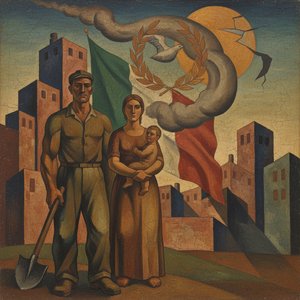
Mario Sironi: A Poetic of Modern Italian Identity Through Symbolism & Social Commentary
Explore the profound works of Mario Sironi, a key figure in Italian Modernism. Discover his evolution from Futurism to Metaphysical painting and his powerful social commentary. Learn about his legacy at OriginalUniqueArt.
Beyond Impressionism: Exploring the Emotional Depth of Post-Impressionist Painting
Explore the profound emotional depth & innovative techniques of Post-Impressionism with OriginalUniqueArt. Discover Cézanne, Van Gogh, Gauguin & more – and their lasting impact on modern art.

Postimpressionismens 10 Mesterværker: Kunst der Definerede en Æra | OriginalUniqueArt.dk
Oplev postimpressionismens 10 mest ikoniske værker! Fra Van Goghs penselstrøg til Cézannes former. Lær historierne bag berømte malerier og find inspiration til din indretning med kunst af høj kvalitet på OriginalUniqueArt.com. Udforsk samlingen online.

Ud over Lys og Farve: Impressionisme vs. Postimpressionisme for den Kræsne Samler
Dyk ned i impressionismens og postimpressionismens verden med vores ekspertguide. Lær at identificere, vurdere og investere i disse ikoniske kunstretninger. For den kræsne samler.
