
 Del
Del Del
Del
 Detaljer

 Download
 Lignende værker
 Diasshow
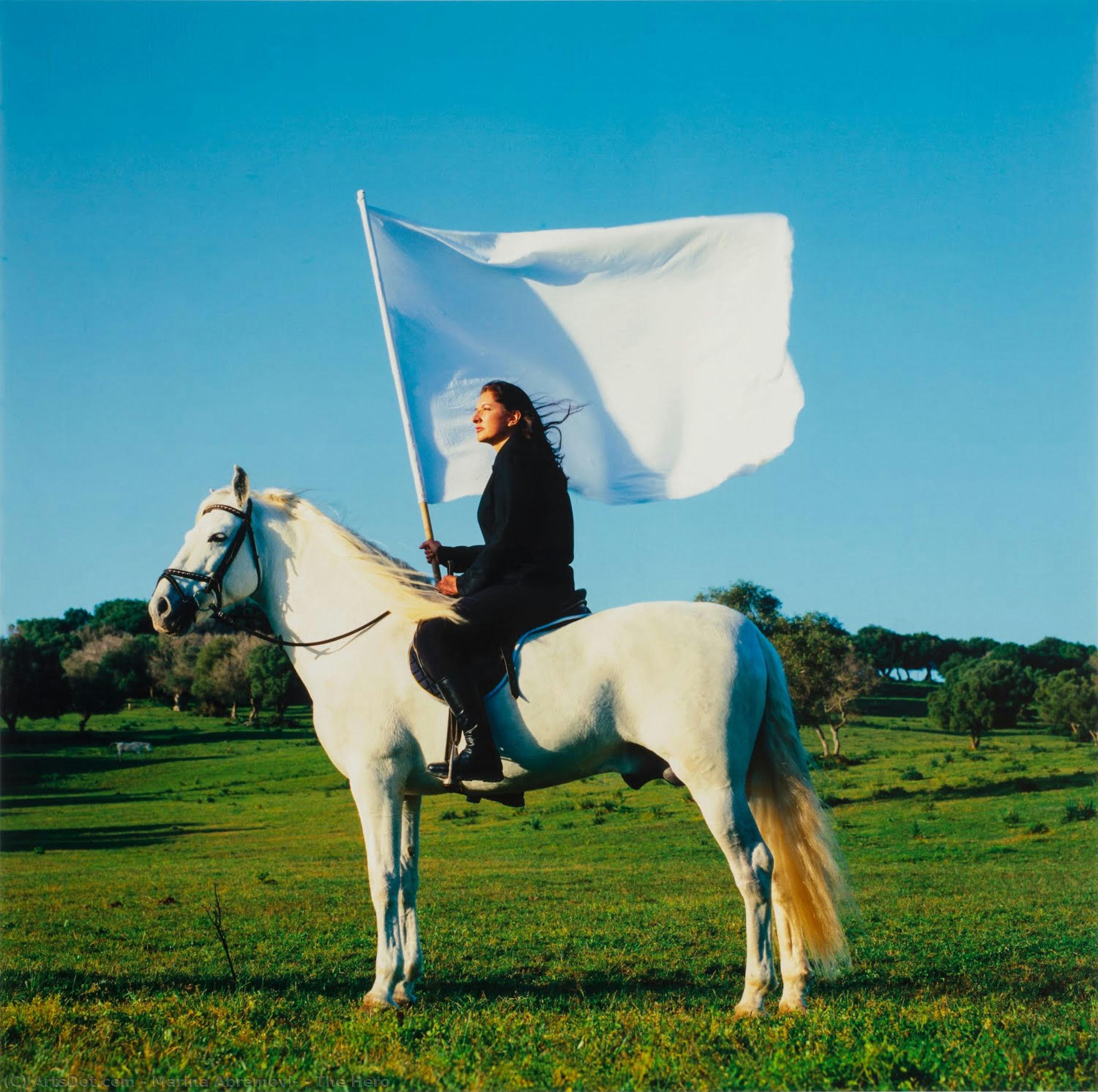
The Hero
 Giclée Print
- Digital
- Contemporary Performance
 2001
2001- Contemporary
 National Museum of Women in the Arts
 Se mere
Giclée / Kunsttryk
Giclée- eller lærredstryk i museumskvalitet med hurtig produktion og fleksible muligheder for finish. ( Skift til håndmalet maleri Skift til billede)




































Vælg mellem vores forudindstillede størrelser, der matcher kunstværkets originale proportioner.

Du kan indtaste dine egne mål for at passe til en specifik ramme eller et bestemt område. Hvis den valgte størrelse ikke stemmer overens med det originale billedes proportioner, vil vi enten beskære kunstværket eller udvide billedet med en spejlet eller ensfarvet kant. En digital mockup vil blive sendt til din godkendelse, før produktionen påbegyndes.
Bemærk venligst, at forhåndsvisningen på skærmen ikke afspejler den faktiske beskæring eller udvidelse. Kun mockuppen vil nøjagtigt vise den endelige komposition.
Selvom specialmål er tilgængelige, anbefaler vi at vælge et mål fra den foruddefinerede liste for at bevare de originale proportioner.
Verdensomspændende levering () på 2 uger i stedet for de sædvanlige 4/5 uger. (11 august)

Gratis ekspresforsendelse til hele verden

Lærred af linned i høj kvalitet

Fuld transportforsikring

Garanti for refusion af told og importafgifter

Garanti for præcis farvegengivelse

60 dages returret (kun ved fabrikationsfejl)

100% Tilfredshedsgaranti

Mængderabat tilgængelig
 Glasmulighed er kun tilgængelig i størrelser under 110 cm

The Hero
Giclée / Kunsttryk
Størrelse på reproduktion
-


Samlet pris
$ 81
Beskrivelse af samlerobjektet
The Hero – A Study in Vulnerability and Confrontation
Marina Abramović’s “The Hero,” created in 2001, is not merely a depiction of a woman on horseback; it's a distilled essence of her core artistic philosophy—a raw exploration of vulnerability, power, and the very limits of human endurance. The photograph itself presents a striking image: a figure atop a pristine white horse, holding aloft a flag – an emblem of leadership, perhaps, or defiance – against a backdrop of indistinct figures. This seemingly simple composition immediately draws the viewer into a space of intense contemplation, forcing us to confront uncomfortable questions about strength, control, and the nature of performance itself.
Abramović’s Radical Approach & Early Influences
Born in Belgrade in 1946, Marina Abramović's artistic trajectory has been defined by a relentless pursuit of pushing boundaries. Her work, often described as “radical empathy,” stems from a deeply personal and challenging upbringing. Raised within a family characterized by strict discipline and emotional distance – a complex dynamic involving her devout grandmother and a critical mother – she developed an early instinct to resist constraints, both internal and external. This formative experience is palpably present in "The Hero," suggesting a subconscious grappling with themes of control, obedience, and the struggle for self-determination. The image resonates with the artist’s broader exploration of pain as a catalyst for artistic expression and heightened awareness.
Symbolism and Compositional Intent
The choice of imagery is deliberately ambiguous yet profoundly resonant. The white horse, traditionally associated with nobility and power, is presented in a state of poised readiness, almost vulnerable in its stillness. The woman’s confident posture as she holds the flag speaks to an assertion of agency, but it's a carefully constructed facade – one that invites scrutiny and questions the true nature of heroism. The background figures, blurred and indistinct, represent the audience, the observers, and perhaps even the artist herself, caught in a perpetual state of witnessing and being witnessed. This layering of perspectives is characteristic of Abramović’s work, demanding active participation from the viewer.
Technique & Reproduction – Capturing the Essence
OriginalUniqueArt.com's hand-painted reproductions meticulously recreate the impact of “The Hero,” utilizing traditional artistic techniques to faithfully reproduce Abramović’s vision. The reproduction process begins with a high-resolution scan of the original photograph, followed by painstaking manual application of paint – a deliberate rejection of digital replication. This approach ensures that subtle nuances in tone, texture, and composition are preserved, allowing collectors to experience the artwork's emotional depth and intellectual complexity. The resulting piece is not simply a copy; it’s an interpretation, a testament to Abramović’s enduring influence on contemporary art.
Perfect for Interior Design & Art Collection
"The Hero" would be a striking addition to any discerning collection or interior space. Its powerful imagery and contemplative mood make it ideal for spaces seeking a touch of intellectual stimulation and artistic provocation. The hand-painted reproduction offers the ultimate in quality, ensuring that this iconic work by Marina Abramović will continue to captivate and inspire for generations to come.
Kunstnerens biografi
Marina Abramović: The Architect of Pain and Perception
Marina Abramović, a name synonymous with radical performance art, is more than just an artist; she’s a provocateur, a philosopher, and a relentless explorer of the human condition. Born in Belgrade, Serbia, in 1946, her journey has been one of confronting physical and psychological limits, challenging audience expectations, and ultimately redefining what it means to be present within art itself. From her early years steeped in the complexities of post-war Yugoslavia to her current status as a globally recognized icon, Abramović’s work is a testament to the power of vulnerability and the enduring human need to question boundaries.
Her childhood, marked by strict discipline and emotional distance within her family – a complex dynamic involving her devout grandmother and a critical mother – profoundly shaped her artistic approach. This early environment fostered a deep-seated desire to break free from constraints, both internal and external, which would later become central themes in her performances. The influence of the Yugoslav Partisan legacy, coupled with the rigid social structures of the time, instilled within her a rebellious spirit and a willingness to push against established norms – qualities that would prove crucial to her artistic development.
Early Artistic Development & The Rise of Performance
Abramović’s formal art education at the Belgrade Academy of Fine Arts laid the groundwork for her later explorations, but it was through independent experimentation and collaboration that she truly forged her unique path. Her early work involved a gradual shift from traditional painting towards increasingly immersive and participatory experiences. A pivotal moment arrived in 1973 with *Rhythm* 0, a series of performances utilizing knives and tape recorders – an act of self-inflicted pain and meticulous documentation that established her as a pioneer of body art. This marked the beginning of a sustained investigation into the relationship between performer, audience, and the very nature of sensation.
Her collaboration with Ulay, a fellow Serbian artist, from 1976 to 1988, proved particularly transformative. Their performances, often intensely physical and emotionally charged, explored themes of duality, love, and loss through ritualistic gestures and shared vulnerability. Works like *Lovers*, a grueling endurance performance involving the continuous walking of the Great Wall of China, demonstrated Abramović’s willingness to push her own body to its absolute limits – a strategy that would become a defining characteristic of her practice.
The Exploration of Limits & Institutional Recognition
Throughout the 1990s and early 2000s, Abramović's work intensified, delving deeper into themes of pain, endurance, and the boundaries of human perception. Performances like *Balkan Baroque* (1997), a series of ritualistic acts performed in a remote Serbian village, and *The Artist is Present* (2010), where she sat silently facing an audience at the MoMA in New York for eight hours a day, garnered international attention and cemented her reputation as a fearless innovator. These works weren’t merely displays of physical prowess; they were profound meditations on vulnerability, empathy, and the shared human experience.
*The Artist is Present* stands out not only for its scale but also for its quiet intensity. The simple act of sitting in silence, offering a moment of direct connection with viewers, challenged conventional notions of art-making and audience engagement. It demonstrated Abramović’s ability to transform the most ordinary actions into powerful statements about human connection and the importance of presence.
The Marina Abramović Institute & Legacy
In 2007, recognizing the need for a dedicated space to preserve and promote performance art, Abramović founded the Marina Abramović Institute (MAI). This non-profit foundation serves as a vital resource for artists working in the field, providing funding, research support, and exhibition opportunities. The MAI also houses a unique archive of Abramović’s performances, ensuring that her work will continue to inspire and challenge future generations.
Marina Abramović's influence extends far beyond the realm of performance art. She has fundamentally altered our understanding of what constitutes an artistic experience, demonstrating the power of vulnerability, risk-taking, and direct engagement with the audience. Her legacy is one of radical honesty, unwavering commitment to her vision, and a profound belief in the transformative potential of art – a testament to a life dedicated to pushing the boundaries of human expression.

marina abramović
1946 - , Serbia
Kort om kunstneren
- Artistic Movement Or Style: Performance art, Body art, Endurance art
- Artists Or Movements Influenced By This Artist:
- Conceptual art
- Avant-garde art
- Artists Who Influenced This Artist:
- Varnava, Serbian Patriarch
- Ulay
- Date Of Birth: November 30, 1946
- Full Name: Marina Abramović
- Nationality: Serbian
- Notable Artworks:
- Rhythm 10
- The Hero
- Happy hour #2
- Balkan Baroque
- The Artist is Present
- Place Of Birth: Belgrade, Serbia
Relaterede artikler

OriginalUniqueArt.com F.A.Q.: Elevate Your Decor with Premium Textured Giclée Prints
Discover the distinction of OriginalUniqueArt.com premium textured Giclée prints. Expertly crafted with archival 12-color pigments and museum-grade substrates, our prints offer unparalleled vividness for the discerning collector seeking luxury, durability, and timeless elegance.

