Dada Gesamtkunstwerk · 1917
Hat Rack (Marcel Duchamp, 1917)
Marcel Duchamp (1887–1968) har skabt Hat Rack. Det er fra 1917. Det tilhører Dada Gesamtkunstwerk-bevægelsen. Den er udført i Oil On Canvas. Det opbevares på Israel Museum i Jerusalem, Israel.
- 1917
- Oil On Canvas
- Israel Museum, Jerusalem

 Se i rummet

 Håndmalet oliemalerie
 Del som kort
 Del
 Faktablad


 Download
 Lignende værker
 Røntgenundersøgelse
 Diasshow
 Spørgsmål og svar

 Statistikker
Hat Rack kort fortalt
- Titel
- Hat Rack
- Kunstner
- Marcel Duchamp (1887–1968)
- Kunstner født i
- Blainville-Crevon, Frankrig
- Dato
- 1917
- Materiale
- Oil On Canvas
- Hvor det kan ses
- Israel Museum, Jerusalem, Israel
- Bevægelse
- Dada Gesamtkunstwerk
- Periode
- Modern
- Motiv
- duchamp, hat rack, chair, sculpture, modernism, assemblage
Hvad forestiller Hat Rack?
A Deconstructed Object: Marcel Duchamp’s “Hat Rack” – A Study in Provocation
Marcel Duchamp's "Hat Rack," painted in 1917, isn’t merely a depiction of furniture; it’s a deliberate dismantling of artistic conventions and a profound statement on the nature of art itself. This seemingly simple image—a wooden chair supporting an absurdly stacked collection of hats—holds within its quiet stillness a revolutionary spirit that continues to resonate with viewers today. The painting, now housed in the Israel Museum, offers a glimpse into Duchamp’s burgeoning Dadaist philosophy and his audacious challenge to established artistic norms.
The composition is deceptively straightforward. A chair, rendered with an almost clinical precision, forms the skeletal structure of the piece. Its unusual design—a slightly off-kilter angle and subtly exaggerated proportions—suggests a deliberate rejection of functionalism. Instead of serving its intended purpose as a comfortable seat, it becomes a stage for the chaotic arrangement of hats. These aren’t meticulously chosen or artistically displayed; they are piled haphazardly upon one another, creating a visual jumble that defies logic and order. Duchamp's choice to present this commonplace object—a chair and a collection of hats—elevates them to the realm of art through sheer act of selection and presentation.
Dadaist Roots: Challenging Artistic Values
“Hat Rack” is deeply rooted in the Dada movement, which emerged during World War I as a reaction against the perceived irrationality and brutality of the conflict. Dada artists sought to dismantle traditional values—including those surrounding art—and expose the absurdity of societal norms. Duchamp’s work embodies this spirit perfectly. He wasn't interested in creating beautiful objects; he was interested in questioning what constituted “beauty” or “value” within the art world. The hat rack, with its inherent lack of aesthetic appeal, becomes a powerful symbol of this rejection. It forces us to reconsider our assumptions about what deserves artistic attention and how we define artistic merit.
The painting’s creation coincided with Duchamp's exploration of chance operations and the concept of “readymades”—industrial or manufactured objects presented as art without alteration. This approach, central to Dadaism, challenged the traditional notion that an artist needed to create something entirely new. Duchamp argued that the selection and presentation of an existing object could be just as valid a form of artistic expression. The hat rack can be seen as a precursor to this readymade philosophy, demonstrating how the context and intention behind an object’s display could transform its meaning.
Technique and Symbolism: A Calculated Discomfort
Duchamp's technique is remarkably restrained, almost austere. The painting is executed in oil on canvas with a precise, almost photographic quality. This deliberate lack of expressive brushwork further emphasizes the object-like nature of the work. There’s no attempt to romanticize or embellish the scene; instead, Duchamp presents it with cold, objective clarity. The hats themselves—a motley collection of varying shapes, sizes, and colors—add layers of symbolic meaning. They can be interpreted as representing the anxieties and uncertainties of a rapidly changing world, or perhaps simply as a commentary on consumer culture and the accumulation of possessions.
Furthermore, the chair’s unusual design subtly hints at instability and imbalance. It's not a stable, supportive structure; it leans slightly, mirroring the precariousness of the hat arrangement above. This visual dissonance reinforces the painting’s overall theme of disruption and challenges our expectations of harmony and order. The placement within a museum setting further elevates the piece, suggesting that even the most mundane objects can be worthy of contemplation and artistic consideration.
A Timeless Provocation: Reproduction and Interpretation
OriginalUniqueArt offers meticulously crafted reproductions of “Hat Rack,” allowing you to bring this iconic work into your own space. Our hand-painted reproductions capture not only the visual details but also the underlying spirit of Duchamp’s revolutionary vision. Whether displayed in a contemporary interior or as a thoughtful addition to an art collection, "Hat Rack" continues to provoke and inspire, reminding us that art can be found in the unexpected and that questioning established norms is essential for artistic progress. Consider this piece not just as a painting, but as a meditation on perception, value, and the very definition of art itself.
Hvilket museum udstiller Hat Rack?
Israel Museum
Jerusalem, Israel
Arven fra Israel Museum Etableret i 1965 fungerer Israel Museum som en central kulturel institution i Jerusalem. Museet blev udtænkt af borgmester Teddy Kollek med en vision om at forene regionens mangfoldige kulturhistorie. Det er placeret på en bakketop i bydelen Givat Ram, hvor institutionen opererer som et encyklopædisk center, der huser omkring 500.000 genstande, som spænder fra forhistorisk tid til i dag.


Højopløselige billeder af Hat Rack
Beskyttet af ophavsret: disse filer er til personlig reference og udgør ikke en licens til genudgivelse.
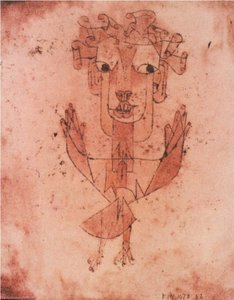
Marcel Duchamp, Hat Rack (1917), Israel Museum.
Spørgsmål om Hat Rack besvaret
Hvor kan jeg se det originale værk "Hat Rack" af Marcel Duchamp?
"Hat Rack" af Marcel Duchamp er udstillet på Israel Museum, Jerusalem, Israel. Museets fortegnelse henviser til det originale værk og ikke til reproduktioner.
Hvornår blev "Hat Rack" skabt?
"Hat Rack" stammer fra 1917. Datoen placerer værket i Marcel Duchamp's karriere og dets tidsalder.
Hvilken teknik er brugt til "Hat Rack" af Marcel Duchamp?
"Hat Rack" af Marcel Duchamp er udført i Oil On Canvas. Reproduktionerne har til formål at gengive denne tekniks visuelle udtryk.
Hvad forestiller "Hat Rack" af Marcel Duchamp?
Temaerne i "Hat Rack" af Marcel Duchamp omfatter duchamp, hat rack, chair, sculpture, modernism, assemblage, irony, som tilsammen udgør værkets motivverden.
Er "Hat Rack" af Marcel Duchamp i det offentlige domæne?
Ophavsretsstatus for "Hat Rack" af Marcel Duchamp: værket er stadig beskyttet af ophavsret. Dette afgør, om der frit må foretages reproduktioner af billedet.
Hvem er kunstneren bag "Hat Rack"?
Kunstneren bag "Hat Rack" er Marcel Duchamp. Værket er katalogiseret under Marcel Duchamps navn.
Hvilken kunstretning tilhører "Hat Rack" af Marcel Duchamp?
"Hat Rack" er et værk fra Dada Gesamtkunstwerk. Denne stilart angiver den kunstneriske tradition, som værket indgår i.
Hvilken fase af Marcel Duchamps kunstneriske udvikling repræsenterer "Hat Rack"?
"Hat Rack" repræsenterer Marcel Duchamps Dada Phase.
Hvor gammel var Marcel Duchamp, da "Hat Rack" blev skabt?
Marcel Duchamp skabte "Hat Rack" i en alder af 30. Kunstneren blev født i 1887, og værket er dateret 1917.
Om kunstneren, Marcel Duchamp
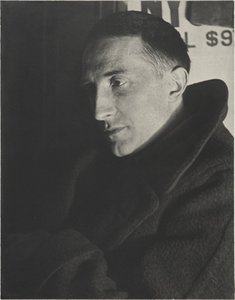
1887–1968, Frankrig
Marcel Duchamp
Livet og kunsten bag Marcel Duchamp Født den 28. juli 1887 i Blainville, Normandiet, Frankrig, trådte Marcel Duchamp ind i en verden, hvor skabertrangen var dybt forankret i hans selve blod. Han var det fjerde af syv børn født af Eugene og Lucie Duchamp. Dette var et hjem fyldt med skabere og tænkere; hans søskende delte denne kreative rastløshed, da hans brødre Jacques Villon og Raymond Duchamp-Villon, sammen med hans søster Suzanne Duchamp-Crotti, alle førte et liv som kunstnere.
Om Marcel Duchamp Bemærkelsesværdige værker af Marcel Duchamp
Også af Marcel Duchamp
 Nøgen nedad trappen1912
 Sad ung mand i toget1911
 Given: 1. Vandfaldet, 2. Gaslyset1966
 Fontæne1917
Essays om Hat Rack
 Marcel Duchamp: The Top 25 Most Influential Artworks of a Modern IconExplore 25 iconic Marcel Duchamp masterpieces and Dadaist gems. Discover the full collection online at OriginalUniqueArt.com.
 Dadaism Unfiltered: The Chaos, Rebellion, and Anti-Art Movement That Changed EverythingDive into the raw chaos of Dadaism. Explore how rebels like Marcel Duchamp used anti-art, readymades, and pure provocation to crash the sys…
 Dadaism Explained: The Radical Anti-Art Movement That Redefined ModernityExplore the radical origins of Dadaism. Discover how this anti-art movement emerged from WWI chaos to challenge logic and redefine modern a…