

 Se i rummet
 Send
Send Del
Del
 Detaljer
 Studieguide til kunstværker

 Download
 Lignende værker
 Røntgenundersøgelse
 Se diasshow
 Statistik
The Big Blue Movie Program Brochure
 Print
Print- WallArt
- Contemporary Realism
 1988
1988- Contemporary
 38.0 x 26.0 cm
 Korean Film Archive
 Læs mere
Kunstværket vist på denne side er beskyttet af ophavsretsloven, hvilket betyder, at vi ikke lovligt kan skabe eller sælge en identisk reproduktion. Denne beskyttelse håndhæves i henhold til internationale aftaler som f.eks. den Bernerkonventionen og af nationale love, herunder de bestemmelser, der er fastlagt i Amerikansk ophavsretslov - Titel 17.
Denne metode overholder fuldt ud ophavsretsreglerne, da den ikke indebærer kopiering eller duplikering af det beskyttede kunstværk. I stedet er der tale om en kreativ nytolkning – et nyt maleri, som er inspireret af det oprindelige, men ikke identisk med det.
Giclée / Kunsttryk
Giclée- eller lærredstryk i museumskvalitet med hurtig produktion og fleksible muligheder for finish. ( Bestil håndmalet reproduktion Skift til digitalt billede)




P118B Dkr10

P118H Dkr10

P118W Dkr10

P438Z Dkr10

P508JH Dkr12

P508YH Dkr12

P805H Dkr10

P805Z Dkr10

P919BZ Dkr10

P919G Dkr10

P919XJ Dkr10

P959ZH Dkr10

P968JZ Dkr12

W106C Dkr8

W218G Dkr10

W218JH Dkr8

W218Y Dkr10

W307PJ Dkr10

W316G Dkr10

W316PJ Dkr8

W316Y Dkr10

W398PJ Dkr8

W4111J Dkr10

W500HY Dkr15

W500JH Dkr15

W692G Dkr12

W849H Dkr8

W940BG Dkr15

W953PJ Dkr8




Vælg mellem vores forudindstillede størrelser, der matcher kunstværkets originale proportioner.

Indtast den bredde og højde, du har brug for, så det passer til din ramme eller din væg. Et print kan kun beskæres, aldrig gøres større end billedet, så en størrelse med en anden form vil miste en del af motivet. Vi sender dig en digital mockup til godkendelse, før vi printer noget. Billedet vist på denne side viser ikke den faktiske beskæring — det er kun mockuppen, der gør.
Verdensomspændende levering () på 2 uger i stedet for de sædvanlige 4/5 uger. (25 oktober)

Gratis ekspresforsendelse til hele verden

Lærred af linned i høj kvalitet

Komplet transportforsikring

Garanti for refusion af told og importafgifter

Garanti for autentisk farvegengivelse

100 dages returret ved fabrikationsfejl

100% fuld returret

Mængderabat ved flere køb
 Glasmulighed er kun tilgængelig i størrelser under 110 cm

The Big Blue Movie Program Brochure
Giclée / Kunsttryk
Reproduktionsstørrelse
-


Samlet pris
Dkr 531
A Cinematic Embrace: The Soul of The Big Blue
In the realm of cinematic memorabilia, few artifacts capture the ephemeral magic of film as poignantly as The Big Blue Movie Program Brochure. Created in 1988 by the visionary French filmmaker Luc Paul Maurice Besson, this piece serves as more than a mere promotional tool; it is a window into a world defined by the rhythmic pulse of the ocean and the profound depths of human connection. The composition centers on a breathtakingly intimate moment: two figures locked in an embrace upon a moonlit shore. Set against the vast, undulating expanse of a deep blue sea and a star-dusted sky, the imagery transcends its original purpose as a flyer to become a hauntingly beautiful study of romance and solitude.
The aesthetic language of this work is rooted in a heightened realism that seeks to evoke an immediate emotional response. Through the use of photographic printing techniques, Besson captures the interplay of light and shadow with remarkable clarity. The palette is dominated by an immersive spectrum of blues—from the midnight indigo of the deep water to the ethereal azure of the night sky—creating a cool, melancholic atmosphere that feels both tranquil and tempestuous. This oceanic dominance is masterfully contrasted by the warmer, organic tones of the figures' skin, which draws the eye toward the heart of the piece, emphasizing the warmth of human intimacy amidst the infinite cold of the sea.
Symbolism and the Cinematic Vision
Beyond its visual allure, the brochure functions as a symbolic tapestry of Besson’s early cinematic preoccupations. The ocean, an omnipresent force in this work, represents both a sanctuary and an overwhelming mystery, mirroring the themes of exploration and escape found within his filmography. The central embrace acts as a powerful symbol of connection—a brief, anchored moment of stability against the fluid, unpredictable nature of the waves and the cosmos. The inclusion of Korean script alongside English translations adds a layer of global resonance, suggesting that the emotions depicted—love, longing, and adventure—are universal languages that transcend borders.
For the discerning collector or interior designer, this piece offers a unique opportunity to integrate a fragment of film history into a curated space. Its structured layout, featuring geometric text panels that frame the organic shapes of the waves and stars, provides a sophisticated balance that complements both modern and classical decor. Whether placed in a gallery setting or used as a focal point in a contemporary living space, The Big Blue Movie Program Brochure invites viewers to lose themselves in its depths, offering a perennial sense of wonder and a nostalgic journey to the shores of 1980s cinematic brilliance.
Spørgsmål & svar
Hvilken atmosfære ville en reproduktion af "The Big Blue Movie Program Brochure" af Luc Paul Maurice Besson tilføre et rum?
Med sin Romantic stemning foreslås "The Big Blue Movie Program Brochure" til et Restaurant.
Hvad er den dominerende farve i "The Big Blue Movie Program Brochure" af Luc Paul Maurice Besson?
Den dominerende farve i "The Big Blue Movie Program Brochure" af Luc Paul Maurice Besson er Midnight Blue (#23458f).
Tillader ophavsretten til "The Big Blue Movie Program Brochure" af Luc Paul Maurice Besson reproduktioner?
Ophavsretten til "The Big Blue Movie Program Brochure" af Luc Paul Maurice Besson er afklaret: værket er stadig beskyttet af ophavsret. Dets placering hos Korean Film Archive ændrer ikke på denne status.
Om kunstneren
A Life Forged in Movement: The Cinematic Vision of Luc Besson
Luc Paul Maurice Besson, born in Paris in 1959, is a filmmaker whose work pulses with a kinetic energy and visual flair that has captivated audiences worldwide. His story isn’t one of traditional artistic upbringing, but rather a life steeped in the nomadic freedom of his parents' profession as Club Méditerranée scuba diving instructors. This early exposure to diverse cultures and breathtaking underwater landscapes profoundly shaped his aesthetic sensibility, instilling within him a lifelong fascination with movement, exploration, and the beauty of the unknown. Besson’s childhood wasn’t rooted in one place; it was a tapestry woven from Mediterranean shores, exotic locales, and a constant sense of displacement – an experience that would later resonate deeply within the themes explored in his films. A pivotal moment arrived at seventeen when a diving accident left him bedridden for an extended period. Confined and unable to pursue his initial passion for marine biology, Besson turned inward, discovering a new creative outlet: writing scripts. This enforced stillness became the unlikely genesis of a remarkable filmmaking career.From Assistant to Auteur: Honing a Distinctive Style
Besson’s entry into the film industry was pragmatic and hands-on. He didn't arrive with a formal education in cinema, but rather through diligent apprenticeship, working as an assistant director for Claude Faraldo and Patrick Grandperret. These experiences provided invaluable insight into the technical intricacies of filmmaking, while simultaneously allowing him to observe different directorial approaches. Early short films, commissioned documentaries, and commercials served as crucial proving grounds, enabling Besson to hone his skills and develop a distinctive visual style. A particularly significant encounter during this formative period was his meeting with composer Éric Serra in the early 1980s. Their collaboration began with Serra’s score for *L'Avant dernier*, marking the start of a long and fruitful partnership that would become synonymous with Besson’s cinematic universe, lending an atmospheric depth and emotional resonance to many of his films. This period also saw Besson aligning himself with the *Cinéma du look* movement – a French filmmaking style characterized by its emphasis on visual aesthetics, innovative cinematography, and a cool, detached sensibility. The influence of this movement is readily apparent in his early works, establishing him as a rising force within a new wave of French cinema.Breakthroughs and International Acclaim: Defining a Genre
The mid-1980s marked Besson’s arrival as a major filmmaking talent. *Subway* (1985), a visually arresting thriller set amidst the labyrinthine tunnels of the Paris Métro, showcased his mastery of atmosphere and unconventional storytelling. However, it was *The Big Blue* (1988) that truly established him on the international stage. This poetic and emotionally charged story about competitive freediving wasn’t merely a sports drama; it was an exploration of human limits, obsession, and the allure of the ocean depths. The film's stunning underwater photography and evocative score cemented Besson’s reputation for visual innovation. *La Femme Nikita* (1990) further solidified his international acclaim, introducing audiences to his signature blend of stylish action sequences and compelling narratives centered around strong, complex female protagonists. This success paved the way for a transition to Hollywood, where he achieved even greater recognition with films like *Léon: The Professional* (1994), starring Jean Reno and Natalie Portman, and the visually groundbreaking science fiction epic *The Fifth Element* (1997). *The Fifth Element*, in particular, was a watershed moment, earning him both the Lumières Award and the César Award for Best Director.A Legacy of Visionary Filmmaking
Besson’s creative output continued with films such as *The Messenger: The Story of Joan of Arc* (1999), *Lucy* (2014), and *Valerian and the City of a Thousand Planets* (2017), each demonstrating his unwavering commitment to pushing cinematic boundaries. He founded Les Films du Loup, later renamed Les Films du Dauphin, and co-founded EuropaCorp, granting him greater creative control over his projects and fostering the careers of numerous European filmmakers. His influence on action cinema is undeniable; he has inspired a generation of filmmakers with his dynamic choreography, emphasis on visual storytelling, and creation of memorable female characters who defy traditional genre tropes. Besson’s films are not simply about spectacle; they delve into profound themes of alienation, identity, the search for meaning, and the enduring power of human connection. He frequently presents complex characters grappling with moral dilemmas in visually stunning settings. Luc Besson remains a prominent figure in contemporary cinema, celebrated for his visionary filmmaking, distinctive style, and lasting contributions to both the action and science fiction genres – a testament to a life forged in movement and dedicated to bringing extraordinary worlds to the screen.Themes and Influences
- Visual Style: Dynamic camera work, vibrant colors, atmospheric storytelling, innovative special effects.
- Recurring Themes: Alienation, identity, search for meaning, human connection, moral dilemmas.
- Influence on Cinema: Inspired action cinema with stylish choreography and strong female protagonists.
- Key Collaboration: Long-standing partnership with composer Éric Serra.
- Cinematic Movement: Associated with the *Cinéma du look* movement, emphasizing visual aesthetics.

Luc Paul Maurice Besson
1959 - , France
Hurtige fakta
- Full Name: Luc Paul Maurice Besson
- Nationality: French
- Date Of Birth: 1959
- Place Of Birth: Paris, France
- Notable Artworks:
- Subway
- The Big Blue
- La Femme Nikita
- Léon: The Professional
- The Fifth Element
- Artistic Movement Or Style: Cinéma du look
- Artists Or Movements Influenced By This Artist: ['Action cinema filmmakers']
Relaterede artikler
OriginalUniqueArt.com F.A.Q.: Premium Art Poster Prints – Vivid Colors & Versatile Sizing
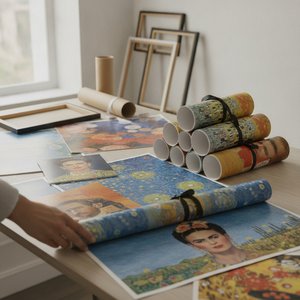
Discover OriginalUniqueArt.com's premium art poster prints. Featuring 12-color archival pigments for vivid color fidelity and versatile sizing for bespoke decor. Expertly crafted museum-quality reproductions designed for discerning collectors and professional decorators.