
 Se i fuld skala
 Del
Del Del
Del
 Detaljer

 Download
 Lignende værker
 Røntgenundersøgelse
 Diasshow
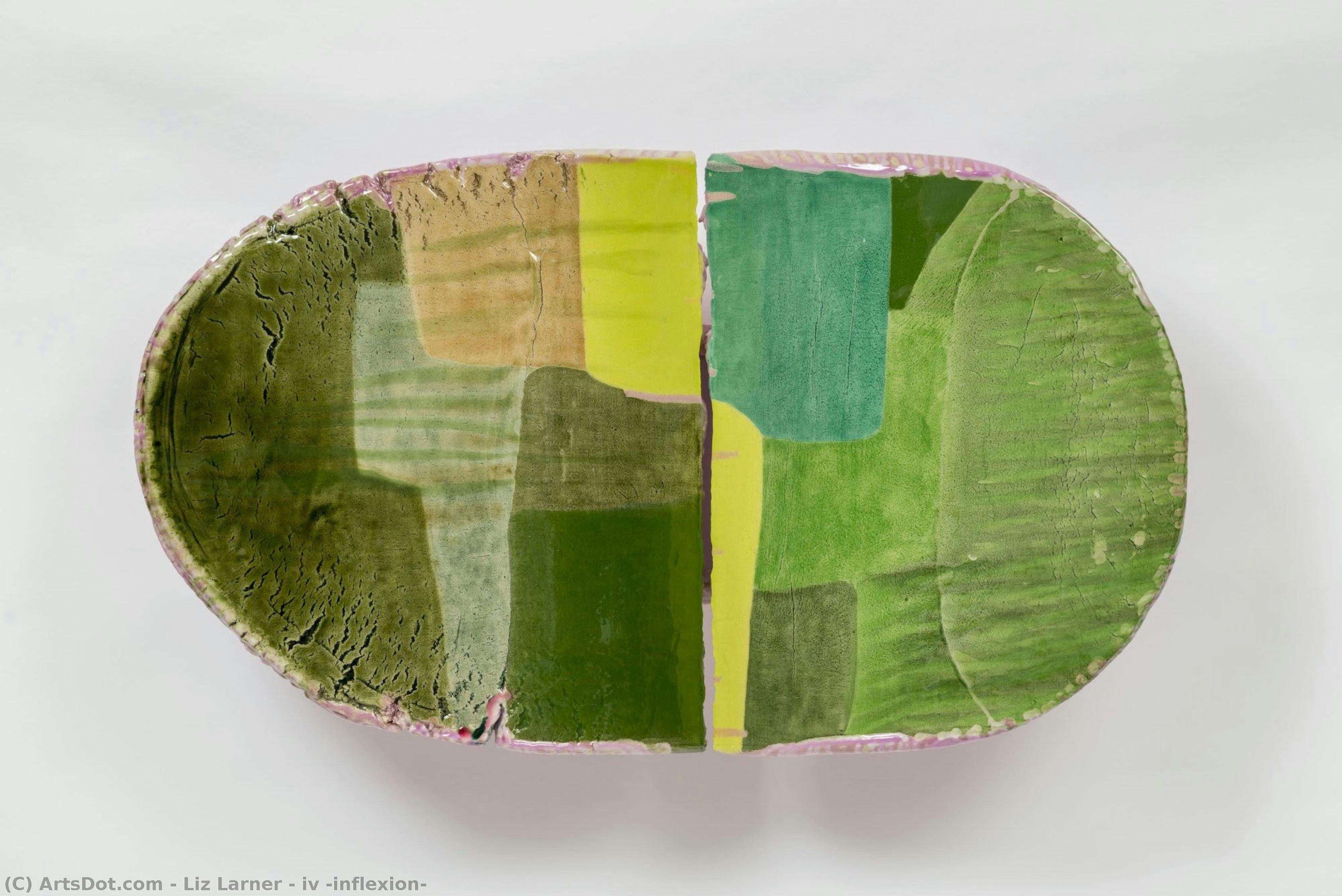
iv (inflexion)


 Se mere
Giclée / Kunsttryk
Giclée- eller lærredstryk i museumskvalitet med hurtig produktion og fleksible muligheder for finish. ( Skift til håndmalet maleri Skift til billede)




































Vælg mellem vores forudindstillede størrelser, der matcher kunstværkets originale proportioner.

Du kan indtaste dine egne mål for at passe til en specifik ramme eller et bestemt område. Hvis den valgte størrelse ikke stemmer overens med det originale billedes proportioner, vil vi enten beskære kunstværket eller udvide billedet med en spejlet eller ensfarvet kant. En digital mockup vil blive sendt til din godkendelse, før produktionen påbegyndes.
Bemærk venligst, at forhåndsvisningen på skærmen ikke afspejler den faktiske beskæring eller udvidelse. Kun mockuppen vil nøjagtigt vise den endelige komposition.
Selvom specialmål er tilgængelige, anbefaler vi at vælge et mål fra den foruddefinerede liste for at bevare de originale proportioner.
Verdensomspændende levering () på 2 uger i stedet for de sædvanlige 4/5 uger. (9 august)

Gratis ekspresforsendelse til hele verden

Lærred af linned i høj kvalitet

Fuld transportforsikring

Garanti for refusion af told og importafgifter

Garanti for præcis farvegengivelse

60 dages returret (kun ved fabrikationsfejl)

100% Tilfredshedsgaranti

Mængderabat tilgængelig
 Glasmulighed er kun tilgængelig i størrelser under 110 cm

iv (inflexion)
Giclée / Kunsttryk
Størrelse på reproduktion
-


Samlet pris
$ 81
Kunstnerens biografi
Liz Larner: Sculpting Space and Challenging Conventions
Liz Larner (born 1960) is an American installation artist and sculptor whose work explores the intersection of space, design, and digital media—themes that resonate powerfully with contemporary concerns about materiality and perception. Rooted in a fascination with modernist aesthetics and informed by explorations of feminist theory and critical geopolitics, Larner’s oeuvre distinguishes itself through its conceptual rigor and willingness to confront societal anxieties surrounding identity and transformation. Her artistic journey began amidst the burgeoning experimental art scene of the late 1980s, where she honed her craft alongside luminaries like Eva Hesse and Jackie Winsor—artists who similarly interrogated traditional sculptural forms and embraced unconventional materials.Early Life and Artistic Formation
Born in Sacramento, California, Larner’s formative years were marked by exposure to diverse cultural influences, fostering a lifelong commitment to questioning established narratives. She pursued her undergraduate studies at the California Institute of Arts (CIA), where she studied with John Baldessari—a fellow artist known for his appropriation and deconstruction of visual language—influences that would profoundly shape Larner’s artistic approach. CIA's emphasis on conceptual art provided a crucial springboard for Larner’s intellectual development, equipping her with the tools to articulate complex ideas through sculptural interventions.Exploring Materiality and Conceptual Framework
Larner’s breakthrough came in the late 1990s when she discovered ceramic—a medium that initially seemed incongruous with the dominant trends of minimalist sculpture but quickly became central to her artistic practice. Embracing a deliberate contrast between form and substance, Larner utilizes materials like lead and wax alongside digital technologies to generate installations that disrupt conventional spatial relationships. Her sculptures aren’t merely objects; they are active agents within their environments—provoking viewers to reconsider notions of scale, materiality, and the role of technology in shaping our experience of space.Notable Works and Conceptual Innovations
Among Larner's most celebrated pieces is *Damage Control*, a striking assemblage comprised of hazardous substances—saltpeter, ammonium nitrate, and TNT—presented within a deceptively simple geometric form. This work embodies Larner’s preoccupation with confronting anxieties surrounding risk and vulnerability—themes that extend beyond the sculptural realm into broader explorations of geopolitics and environmental concerns. Similarly, *Used to Do the Job* features two interlocking cubes constructed from lead and wax, suspended in space—a deliberate allusion to Brancusi's iconic sculpture *Bird in Space*, which Larner herself cites as an inspiration. The juxtaposition of contrasting materials underscores Larner’s commitment to challenging aesthetic conventions and prompting viewers to contemplate the symbolic significance of form and materiality.Legacy and Critical Recognition
Liz Larner’s artistic vision—characterized by intellectual rigor, conceptual innovation, and a willingness to engage with pressing social issues—has garnered widespread acclaim from critics and curators alike. Her work has been exhibited internationally, cementing her position as one of the foremost sculptors of her generation. She received the Victoria Medal from the Royal Geographical Society in 2018 for her contributions to artistic scholarship and continues to inspire artists and thinkers with her uncompromising pursuit of aesthetic and conceptual exploration. Her ongoing engagement with contemporary debates about globalization and gender underscores Larner’s enduring relevance as a voice within the broader cultural landscape—a testament to the transformative power of art to provoke dialogue and reshape our understanding of the world around us.
liz larner
1960 - , United States of America
Kort om kunstneren
- Artistic Movement Or Style: Installation Art
- Artists Or Movements Influenced By This Artist: ['John Baldessari']
- Artists Who Influenced This Artist:
- Eva Hesse
- Jackie Winsor
- Full Name: Wendy Larner
- Nationality: American
- Notable Artworks:
- Bird in Space
- Corridor Red/Green
- Place Of Birth: Sacramento, California

