Leonardo da Vincis liv og eftermæle.
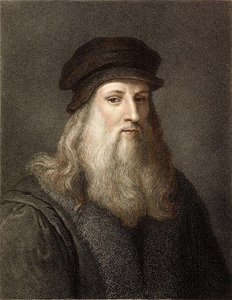
Leonardo di ser Piero da Vinci, født i 1452 nær den toscanske landsby Vinci, forbliver uden tvivl den mest universelt anerkendte skikkelse fra renæssancen – en sand polymath, hvis umættelige nysgerrighed drev ham på tværs af discipliner og efterlod et uudsletteligt mærke inden for kunst, videnskab og ingeniørkunst. Hans navn er blevet synonymt med geni, et bevis på hans ekstraordinære talentbredde og visionære tænkning. Leonardo blev født uden for ægteskab af Piero da Vinci, en notar, og Caterina, en bondepige, og hans tidlige liv var ukonventionelt, men gav ham adgang til både den praktiske verden og en forståelse for naturen, der dybt ville forme hans kunstneriske vision. Han modtog en grundlæggende uddannelse i læsning, skrivning og regning, men det var hans lærlingeuddannelse hos Andrea del Verrocchio i Firenze, der virkelig tændte hans kreative gnist. I Verrocchios værksted lærte Leonardo ikke blot at male eller skulpturere; han blev opslugt af en verden af teknisk dygtighed, hvor han mestrede metalarbejde, snedkeri, tegning og de kunstneriske skabelsesprocessers kompleksitet – et fundament, som han byggede sit mangefacetterede geni på. Selv i denne formative periode svirrede rygterne om hans exceptionelle talent, og beretninger antyder, at Verrocchio selv opgav maleriet efter at have vidnet Leonardos overlegne evner.
Milanesiske innovationer og kunstnerisk blomstring
I 1482 påbegyndte Leonardo et nyt kapitel, da han trådte ind i tjenesten hos Ludovico Sforza, hertugen af Milano. Dette var ikke blot en kunstnerisk ansættelse; Leonardo fungerede som militæringeniør, arkitekt, billedhugger og designer for hoffet – et vidnesbyrd om hans mangfoldige færdigheder. Han udtænkte innovative befæstninger, designede overdådige scenografier og skitserede endda planer for fantastiske maskiner. Det var dog i denne periode, at han påbegyndte arbejdet på et af sine mest ikoniske mesterværker: Det Sidste Nadver. Maleriet, udført som en fresko i refektoriet i klosteret Santa Maria delle Grazie, transcenderer ren repræsentation; det er en dyb udforskning af menneskelige følelser og psykologisk drama, der indfanger det præcise øjeblik, hvor Kristus annoncerer sit forræderi. Kompositionen, som var nyskabende for sin tid, og den mesterlige brug af perspektiv ville gennem århundreder præge den vestlige kunst dybt. Selvom mange skulpturelle projekter forblev ufuldendte i hans milanesiske periode, fortsatte Leonardos opfindsomme ånd med at blomstre og lagde grundstenen til fremtidige videnskabelige udforskninger.
Hjemkomsten til Firenze og jagten på perfektion
Efter den franske invasion af Milano i 1499 vendte Leonardo tilbage til Firenze, en by der befandt sig i en topperiode for kunstnerisk udvikling. Selvom han producerede færre færdiggjorte værker i denne tid, var deres indvirkning enorm. Det var her, han påbegyndte arbejdet på det, der ville blive til måske verdens mest berømte maleri: Mona Lisa (La Gioconda). Motivets gådefulde smil og fængslende blik har fascineret beskuere i generationer, mens Leonardos revolutionerende sfumato-teknik – den subtile sammensmeltning af lys og skygge for at skabe slørede konturer og atmosfærisk perspektiv – bidrog væsentligt til maleriets æteriske kvalitet. Denne periode bød også på en fortsat forfinelse af hans anatomiske studier, drevet af et urokkeligt ønske om at forstå den menneskelerede form med videnskabelig præcision. Han dissekerede lig og dokumenterede minutiøst muskler, knogler og organer i en række utroligt detaljerede tegninger, der var århundreder forud for deres tid.
Et eftermæle ud over kunsten: Videnskab, opfindelse og vedvarende indflydelse
Leonardos senere år var præget af rejser mellem Firenze, Milano og Rom, hvor han altid blev opsøgt for sin ekspertise, men ofte efterlod projekter ufuldendte – måske en refleksion af hans rastløse intellekt og de enorme interesser, han besad. I 1516 accepterede han en invitation fra kong Frans 1. til at leve og arbejde på Château du Clos Lucé nær Amboise i Frankrig, hvor han tilbragte sine sidste år. Han døde der i 1519 og efterlod sig en enorm arv, der rækker langt ud over kunstens verden. Hans notesbøger afslører banebrydende arbejde inden for anatomi, optik, hydraulik, geologi og kartografi – samt koncepter for opfindelser, der var århundreder forud for deres tid, herunder flyvemaskiner, kampvogne og avanceret krigsførelse. Leonardo da Vincis indflydelse på kunsthistorien er umålelig. Han ophøjede kunstnerens status fra dygtig håndværker til intellektuel skikkelse ved at demonstrere, at kunstnerisk skabelse kunne næres af videnskabelig undersøgelse og en dyb forståelse for den naturlige verden. Hans malerier fejres for deres realisme, psykologiske dybde og innovative teknikker. Han forbliver et symbol på menneskelig nysgerrighed, kreativitet og den utrættelige søgen efter viden – en sand legemliggørelse af renæssancens ånd, hvis arv fortsætter med at vække ærefrygt og fascination århundreder efter hans død.
Vigtigste bedrifter & varig indvirkning
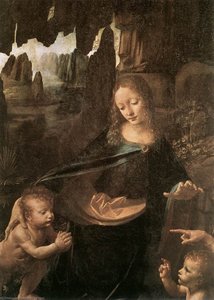
- Maleri: Mona Lisa, Det Sidste Nadver, Madonna i kliet, Bebudelsen
- Tegning & skitsering: Omfattende anatomiske studier, Ingeniørdesign (flyvemaskiner, våben), Botaniske illustrationer
- Videnskab & ingeniørkunst: Banebrydende arbejde inden for anatomi, optik, hydraulik, geologi og kartografi. Udtænkte opfindelser, der var århundreder forud for deres tid.

 Skift til printsalg
 Vis mere







































 For kunstværker eller reproduktioner, der er større end 105 cm (ca. 41 tommer) på en hvilken som helst side, vil rammen blive leveret som et adskilt sæt. Denne metode sikrer sikker levering og forhindrer skader under transport.


 Se i rummet
 Del som kort
 Del
Del
 Detaljer
 Guide
Guide

 Download
 Lignende værker
 Røntgenundersøgelse
 Diasshow
 Spørgsmål og svar
 Statistikker