
 Se i fuld skala
 Del
Del Del
Del
 Detaljer

 Download
 Lignende værker
 Røntgenundersøgelse
 Diasshow
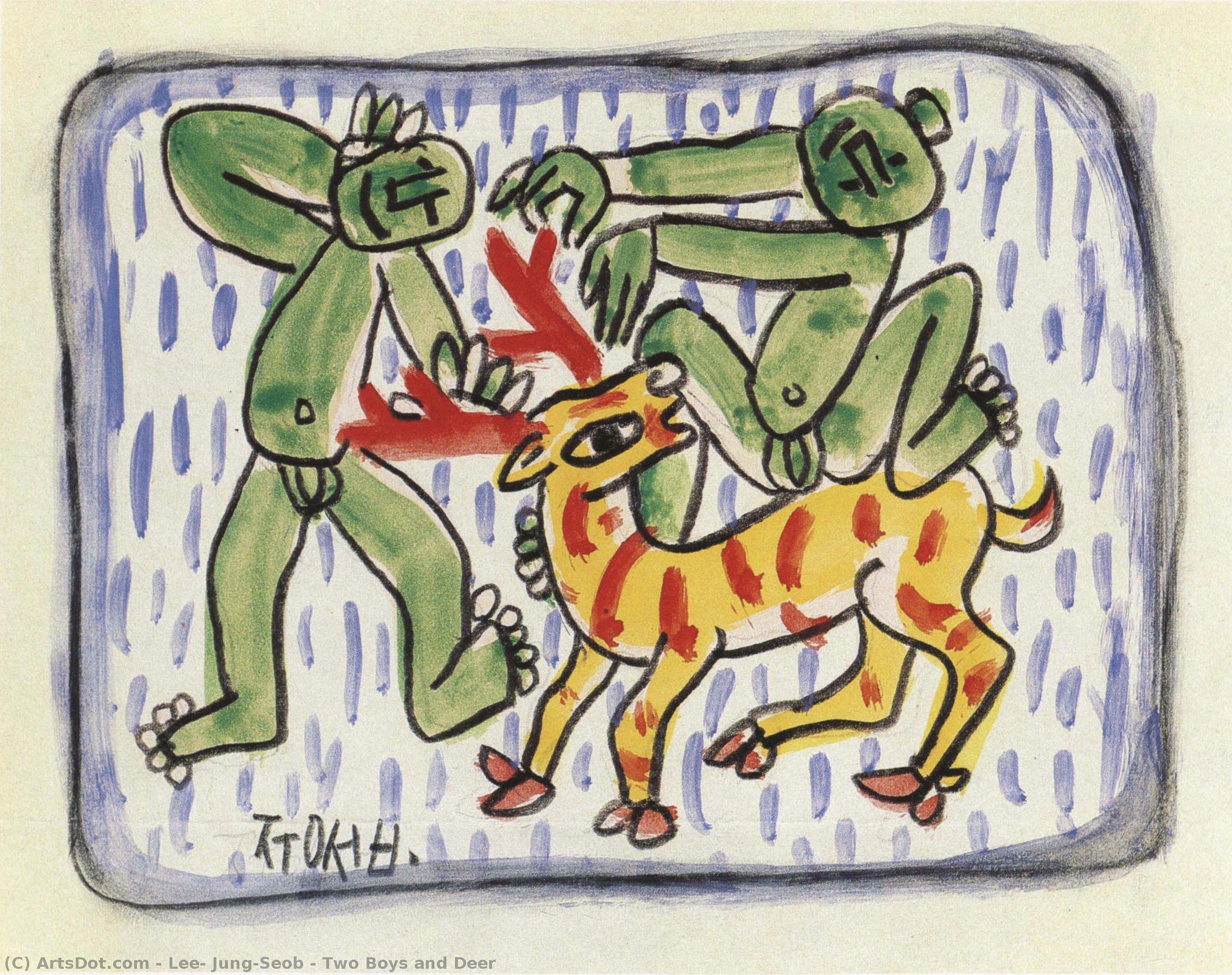
Two Boys and Deer
 Acrylic On Canvas
- WallArt
- Korean Modernism
 17.0 x 13.0 cm
 National Museum of Korea
 Se mere
Køb et højopløst, forbedret digitalt billede, der er langt bedre end online-forhåndsvisningen.
Hver fil er omhyggeligt forberedt af vores interne specialister ved hjælp af avancerede værktøjer og ekspertmæssig manuel retuschering. Vi sikrer, at hvert billede har enestående klarhed, præcis farvegengivelse og fine detaljer.
Den endelige fil leveres via e-mail inden for 72 timer og er optimeret til øjeblikkelig brug i professionelle, redaktionelle og trykte miljøer. Det er den samme kvalitet, som førende designstudier, forlag og gallerier har tillid til.
Digitalt billede
Download en højopløselig fil til personlig fremvisning, print og kreative projekter. ( Køb print Køb håndlavet maleri)
Inkluderet i alle ordrer på digitale billeder
Ekspert digital levering, garanteret
Når du vælger OriginalUniqueArt.com, får du ikke blot et billede – du modtager et professionelt optimeret digitalt kunstværk, skabt med præcision og sikret med en tilfredshedsgaranti. Her er alt, hvad din ordre automatisk indeholder:

Hurtig levering via e-mail
Din højkvalitets digitale billedfil vil blive sendt til din e-mail inden for 72 timer efter bestilling – klar til øjeblikkelig brug.

AI-optimeret digital fil
Dit kunstværk optimeres professionelt ved hjælp af avancerede AI-værktøjer og manuel redigering, hvilket sikrer maksimal detaljegrad, klarhed og farvenøjagtighed.

Gratis livslang genlevering
Har du ved en fejl slettet eller mistet din fil? Ingen bekymring – vi sender den igen til enhver tid, helt gratis.

Ingen importgebyrer – nogensinde
Nyd dit kunstværk med det samme uden told, afgifter eller leveringsgebyrer – digitale downloads er altid skattefrie.

Garanteret farvenøjagtighed
Vi sikrer, at dit digitale billede gengiver de originale farver så præcist som muligt ved hjælp af professionelle værktøjer og farvestyring.

60 dages tilfredshedsgaranti
Hvis du ikke er tilfreds med dit digitale billede, vil vi revidere det eller refundere 100% inden for 60 dage – uden spørgsmål.

100% Pengene tilbage-garanti
Ik tilfreds? Få fuld refusion inden for 60 dage efter modtagelse af din digitale fil – uden spørgsmål.

Mængderabat
Køb 3 billeder, spar 10% - Køb 5, spar 15% - Køb 10+, spar 20%. Ideelt til kreative projekter, gallerier og bureauer.
Beskrivelse af samlerobjektet
A Moment Frozen in Time: Lee Jung-Seob’s “Two Boys and Deer”
Lee Jung-Seob's "Two Boys and Deer" isn’t merely a painting; it’s a poignant distillation of Korean life, memory, and the quiet dignity of rural existence. Completed in 1953, this watercolor captures a fleeting scene – two young men, likely brothers, engaged in a simple act of tending to a deer near a small stream. Yet, within this seemingly straightforward depiction lies a profound depth of emotion and a subtle commentary on the changing landscape of Korea during a turbulent era. The painting’s power resides not just in its subject matter but also in Lee's masterful use of color and light, creating an atmosphere both serene and subtly melancholic.
The scene unfolds within a meticulously rendered Korean countryside – rolling hills, dense foliage, and the reflective surface of a stream. The figures are dressed in muted greens and browns, blending seamlessly with their surroundings, suggesting a deep connection to the land. Lee’s technique is remarkably delicate; each brushstroke seems to capture the ephemeral quality of light filtering through the trees. Notice how he employs wet-on-wet watercolor techniques, allowing colors to bleed and blend naturally, creating an impressionistic effect that softens the edges and imbues the scene with a sense of hazy nostalgia. The deer itself, rendered with surprising detail despite its secondary role, embodies a quiet grace and vulnerability – a symbol often associated with innocence and connection to nature in Korean art.
The Artist’s Biography: A Life Shaped by Conflict
Lee Jung-Seob (1916-1956) was a pivotal figure in the development of Korean modernism, tragically cut short by his untimely death. Born in Pyeongannamdo during Japanese rule, he witnessed firsthand the struggles for independence and endured the devastation of the Korean War. His early life, marked by privilege and artistic training, abruptly shifted with the war’s arrival, forcing him to abandon his family home and relocate to Jeju Island. This displacement profoundly impacted his work, imbuing it with a sense of loss and longing – themes that resonate powerfully in “Two Boys and Deer.” Lee's artistic journey was fueled by a desire to capture the essence of Korean life, often focusing on rural scenes and everyday subjects, reflecting a deep respect for tradition and a yearning for a simpler existence.
His artistic influences were diverse, drawing from both traditional Korean painting styles and Western modernism. He studied at Teikoku Art School in Japan, where he experimented with Fauvist techniques before returning to Korea and developing his own distinctive style characterized by bold colors, expressive brushwork, and a focus on capturing the emotional resonance of his subjects. Lee’s work is often considered part of the “Korean School” movement, which sought to establish a uniquely Korean artistic identity in the aftermath of Japanese colonialism.
Symbolism and Emotional Resonance
Beyond its surface depiction, "Two Boys and Deer" carries layers of symbolic meaning. The deer itself represents purity, gentleness, and connection to nature – values deeply ingrained in Korean culture. The two boys, seemingly engaged in a quiet ritual, could symbolize the continuity of tradition or perhaps the anxieties surrounding the future as Korea navigated a period of immense social and political upheaval. Some art historians interpret their interaction as a subtle commentary on the changing roles of men within Korean society during this era.
The painting’s overall mood is one of quiet contemplation, tinged with melancholy. The muted colors, soft lighting, and understated details create an atmosphere of wistful remembrance – a feeling that echoes the sense of loss experienced by many Koreans following the war. Lee Jung-Seob masterfully uses these elements to evoke a powerful emotional response in the viewer, inviting us to reflect on themes of memory, identity, and the enduring beauty of the Korean landscape.
A Legacy Preserved: Reproductions and Artistic Significance
Today, “Two Boys and Deer” is held within the National Museum of Korea in Seoul, a testament to Lee Jung-Seob’s artistic legacy. High-quality reproductions are available, allowing art lovers worldwide to experience the beauty and emotional depth of this remarkable painting. When selecting a reproduction, consider the archival quality of the materials used – ensuring that the colors remain vibrant and true over time. This piece offers not only aesthetic pleasure but also a valuable window into Korean history and culture, reminding us of the resilience and enduring spirit of its people.
Kunstnerens biografi
en koreansk mester inden for oliemalerier
lee, jung-seob, en fremtrædende sydkoreansk kunstner, efterlod et uudsletteligt aftryk på kunstverdenen med sine fængslende oliemalerier. Lee blev født i Pyeongannamdo, Sydkorea, i 1916, og hans kunstneriske rejse var præget af innovation og en dyb forbindelse til sin kulturarv.kunstneriske bidrag
lee jung-seob er bedst kendt for sit ikoniske værk 'white ox', som står som et vidnesbyrd om hans dygtige brug af oliemaling. Dette mesterværk, sammen med andre værker, fremviser hans unikke stil, der forener traditionelle koreanske elementer med moderne teknikker.- vigtige værker:
- family and pigeon (National Museum of Korea, Seoul, Sydkorea) - et rørende værk udført i olie på papir.
- boys, fish, and crab (National Museum of Korea, Seoul, Sydkorea) - en akvarel, der demonstrerer lees alsidighed.
- two boys and deer (National Museum of Korea, Seoul, Sydkorea) - endnu et eksempel på hans tekniske kunnen inden for akvarel.
- museer der udstiller hans værker:
- National Museum of Korea (Seoul, Sydkorea)
eftermæle og indflydelse
lee jung-seobs bortgang i Seoul i 1956 markerede afslutningen på en æra, men banede samtidig vejen for fremtidige generationer af koreanske kunstnere. Hans indflydelse kan tydeligt ses i værkerne hos mange samtidige koreanske malere. udforsk mere af lee jung-seobs kunst: [https://OriginalUniqueArt.com/@/lee-jung-seob](https://OriginalUniqueArt.com/@/lee-jung-seob) | opdag en omfattende samling af hans malerier på OriginalUniqueArt. lær om andre berømte kunstnere: /da/art/list/ | gennemse listen over de største kunstnere hos OriginalUniqueArt.
Lee Jung-Seob
1916 - 1956 , Sydkorea
Kort om kunstneren
- Artistic Movement Or Style: Moderne koreansk kunst
- Artists Or Movements Influenced By This Artist: ['Fauvisme']
- Artists Who Influenced This Artist: ['Goguryeo-gravmalerier']
- Date Of Birth: 10. april 1916
- Date Of Death: 6. september 1956
- Full Name: Lee Jung-seob
- Nationality: Koreaner
- Notable Artworks:
- White Ox
- Family & Pigeon
- Boys, fish, crab
- Place Of Birth: Pyeongannamdo, Korea

