

 Se i rummet
 Send
Send Del
Del
 Detaljer
 Studieguide til kunstværker

 Download
 Lignende værker
 Røntgenundersøgelse
 Se diasshow
 Statistik
Landscape Study

 Læs mere
Giclée / Kunsttryk
Giclée- eller lærredstryk i museumskvalitet med hurtig produktion og fleksible muligheder for finish. ( Bestil håndmalet reproduktion Skift til digitalt billede)




































Vælg mellem vores forudindstillede størrelser, der matcher kunstværkets originale proportioner.

Du kan indtaste dine egne mål for at passe til en specifik ramme eller et bestemt område. Hvis den valgte størrelse ikke stemmer overens med det originale billedes proportioner, vil vi enten beskære kunstværket eller udvide billedet med en spejlet eller ensfarvet kant. En digital mockup vil blive sendt til din godkendelse, før produktionen påbegyndes.
Bemærk venligst, at forhåndsvisningen på skærmen ikke afspejler den faktiske beskæring eller udvidelse. Kun mockuppen vil nøjagtigt vise den endelige komposition.
Selvom specialmål er tilgængelige, anbefaler vi at vælge et mål fra den foruddefinerede liste for at bevare de originale proportioner.
Verdensomspændende levering () på 2 uger i stedet for de sædvanlige 4/5 uger. (25 september)

Gratis ekspresforsendelse til hele verden

Lærred af linned i høj kvalitet

Komplet transportforsikring

Garanti for refusion af told og importafgifter

Garanti for autentisk farvegengivelse

100 dages returret ved fabrikationsfejl

100% fuld returret

Mængderabat ved flere køb
 Glasmulighed er kun tilgængelig i størrelser under 110 cm

Landscape Study
Giclée / Kunsttryk
Reproduktionsstørrelse
-


Samlet pris
$ 81
Om kunstneren
Maurice Prendergast: A Painter of Vibrant Leisure
Born in St. John’s, Newfoundland, in 1858, Maurice Prendergast emerged as a pivotal figure in American post-impressionism—a movement characterized by bold color, flattened forms, and an embrace of the outdoors. His early life, marked by a move to Boston at the age of eight, instilled within him a deep appreciation for the landscapes and rhythms of New England. Initially working as a show card designer, a surprisingly formative experience honed his eye for pattern, composition, and the visual language of advertising—skills he would later translate into his distinctive paintings. Prendergast’s career began with a deliberate rejection of academic traditions, opting instead to synthesize influences from European movements like Impressionism and Post-Impressionism, particularly the work of Lovis Corinth, whose use of vibrant color and expressive brushstrokes resonated deeply with Prendergast's artistic vision.
Prendergast’s style is immediately recognizable. He eschewed meticulous detail in favor of a simplified, almost decorative approach to his subjects. His paintings frequently depict scenes of outdoor leisure—fishing parties, picnics, seaside gatherings—rendered with a distinctive pattern of flat, short brushstrokes and bold outlines. These elements create a sense of immediacy and vibrancy, as if capturing a fleeting moment of joy and connection with nature. The use of bright, saturated colors – blues, greens, yellows, and reds – contributes to the overall feeling of optimism and energy that permeates his work. Unlike many artists of his time who sought to represent reality with photographic accuracy, Prendergast prioritized emotional impact and visual pleasure, creating paintings that are both dynamic and deeply evocative.
A significant turning point in Prendergast’s career was his 1893-1894 trip to Japan with fellow artist George Henry. This journey profoundly impacted his artistic sensibilities, introducing him to Japanese printmaking techniques—particularly woodblock prints—and influencing his use of bold outlines, simplified forms, and a flattened perspective. The experience fostered a greater appreciation for the beauty of nature and a shift towards capturing the essence of a scene rather than its literal representation. The influence of Japanese aesthetics is particularly evident in works like “A Galloway Landscape” (1889), which showcases his newfound ability to convey atmosphere and mood through carefully considered color palettes and dynamic compositions.
Early Influences and Artistic Development
Prendergast’s artistic development was shaped by a diverse range of influences. Initially, he studied at the Boston School of Design, but quickly grew dissatisfied with the rigid academic training. He sought out more experimental approaches, drawing inspiration from artists like Lovis Corinth and the Barbizon school painters who emphasized direct observation of nature. His early work in Glasgow, Scotland, reflects this influence, characterized by a vibrant palette and an interest in capturing the fleeting effects of light and atmosphere. The Glasgow Boys, a group of Scottish artists with whom Prendergast associated, further encouraged his experimentation with color and composition.
The trip to Japan proved transformative, not only introducing him to new techniques but also fundamentally altering his artistic perspective. He began to prioritize the emotional impact of his paintings over strict adherence to realism, embracing a more expressive style that resonated with the emerging Expressionist movement. His later works demonstrate this shift, characterized by looser brushwork, bolder colors, and a greater emphasis on capturing the subjective experience of the artist.
Key Works and Recurring Themes
Prendergast’s oeuvre is marked by a consistent focus on outdoor scenes and figures engaged in leisure activities. “Landscape with Figures” (1921), housed at the National Gallery of Art, exemplifies his signature style—a vibrant depiction of a fishing party rendered with bold outlines and flat planes of color. “Figures on a Beach” (1910/1915), a watercolor over graphite, captures the essence of a summer afternoon, while “Gloucester” (1910) showcases his ability to convey atmosphere through subtle shifts in color and light. His series of paintings depicting scenes from Central Park in New York City—including "Central Park" (c. 1901) and "Summer Day, New England" (c. 1910-1911)—offer a glimpse into the artist’s fascination with urban landscapes and the rhythms of city life.
Beyond these specific subjects, Prendergast consistently explored themes of friendship, community, and the simple pleasures of outdoor life. His paintings are imbued with a sense of optimism and vitality, reflecting his belief in the restorative power of nature and human connection. The recurring motif of figures engaged in shared activities—fishing, boating, picnicking—suggests a celebration of communal bonds and the joys of everyday experiences.
Legacy and Historical Significance
Maurice Prendergast’s contribution to American art is significant for his pioneering role in establishing post-impressionism as a distinct artistic movement. He challenged traditional academic conventions, embracing bold color, simplified forms, and an expressive approach to painting. His work paved the way for later generations of American artists who sought to break free from European influences and develop their own unique visual languages.
Despite his relatively short career—he died in 1911—Prendergast’s paintings continue to resonate with viewers today. His vibrant colors, dynamic compositions, and evocative subject matter capture the spirit of a bygone era while offering a timeless celebration of beauty, friendship, and the joys of outdoor life. His influence can be seen in the work of later American artists who followed in his footsteps, solidifying his place as a key figure in the development of modern American painting.
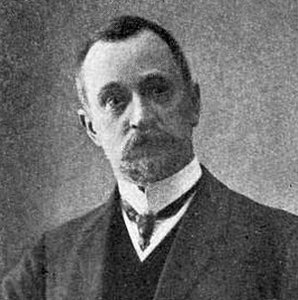
konstantin yakovlevich kryzhitsky
1858 - 1911
Hurtige fakta
- Artistic Movement Or Style: Glasgow Boys, Landscape
- Artists Or Movements Influenced By This Artist:
- Rubens
- Japanese prints
- Artists Who Influenced This Artist: ['Edward Atkinson Hornel']
- Date Of Birth: 1858-03-14
- Date Of Death: 1943-03-14
- Full Name: George Henry
- Nationality: Scottish
- Notable Artworks:
- Galloway Landscape
- The Druids
- Place Of Birth: Irvine, Scotland