
 Se i rummet
 Del som kort
 Del
Del
 Detaljer
 Guide
Guide

 Download
 Lignende værker
 Røntgenundersøgelse
 Diasshow
 Spørgsmål og svar
 Statistikker
Judith and Holofernes

- 49.0 x 37.0 cm


 Vis mere
Giclée / Kunsttryk
Giclée- eller lærredstryk i museumskvalitet med hurtig produktion og fleksible muligheder for finish. ( Køb håndmalet maleri Skift til digitalt billede)




P118B Dkr10

P118H Dkr10

P118W Dkr10

P438Z Dkr10

P508JH Dkr12

P508YH Dkr12

P805H Dkr10

P805Z Dkr10

P919BZ Dkr10

P919G Dkr10

P919XJ Dkr10

P959ZH Dkr10

P968JZ Dkr12

W106C Dkr8

W218G Dkr10

W218JH Dkr8

W218Y Dkr10

W307PJ Dkr10

W316G Dkr10

W316PJ Dkr8

W316Y Dkr10

W398PJ Dkr8

W4111J Dkr10

W500HY Dkr15

W500JH Dkr15

W692G Dkr12

W849H Dkr8

W940BG Dkr15

W953PJ Dkr8




Vælg mellem vores forudindstillede størrelser, der matcher kunstværkets originale proportioner.

Indtast den bredde og højde, du har brug for, så det passer til din ramme eller din væg. Et print kan kun beskæres, aldrig gøres større end selve billedet, så en størrelse med et andet format vil medføre, at dele af motivet går tabt. Vi sender dig en digital mockup til godkendelse, før vi printer noget. Billedet vist på denne side viser ikke den faktiske beskæring — det er kun mockuppen, der gør.
Verdensomspændende levering () på 2 uger i stedet for de sædvanlige 4/5 uger. (6 november)

Gratis ekspresforsendelse til hele verden

Lærred af linned i høj kvalitet

Fuld transportforsikring

Garanti for refusion af told og importafgifter

Garanti for præcis farvegengivelse

100 dages returret ved fabrikationsfejl

100% fuld returret

Mængderabat ved flere køb
 Glasmulighed er kun tilgængelig i størrelser under 110 cm

Judith and Holofernes
Giclée / Kunsttryk
Størrelse på reproduktion
-


Samlet pris
Dkr 541
A Vision of Decadence: Moser’s Judith and Holofernes
In the twilight of the early twentieth century, the boundaries between fine art and decorative elegance began to dissolve, giving rise to a movement that celebrated the ornamental as much as the profound. Koloman Moser, a titan of the Vienna Secession, captured this transformative era in his 1916 masterpiece, Judith and Holofernes. This work is not merely a depiction of a biblical narrative; it is a sensory experience that invites the viewer into a world of draped shadows and gilded intensity. The painting presents a striking composition where the human form meets the rhythmic, flowing lines characteristic of the Art Nouveau style, creating a scene that feels both ancient in its mythic weight and strikingly modern in its graphic execution.
The subject matter draws from the dramatic tension of the biblical tale, yet Moser strips away the traditional gore often associated with this story to focus on an intimate, almost theatrical atmosphere. We see a woman poised with a quiet, commanding presence, her form partially veiled by heavy, sweeping curtains that frame the scene like a stage production. The interplay between the figures—one partially obscured, the other seemingly caught in a moment of profound vulnerability—creates a psychological depth that transcends simple storytelling. Through the use of bold reds and warm yellows, Moser bathes the canvas in a glow that feels both inviting and ominous, pulling the observer into the heat of the unfolding drama.
The Mastery of Line and Color
Technically, Judith and Holofernes serves as a testament to Moser’s unparalleled ability to blend graphic precision with painterly warmth. As a founding member of the Wiener Werkstätte, Moser possessed a unique gift for seeing the world through patterns and silhouettes. In this piece, his mastery is evident in the way the fabric folds interact with the light, creating a rhythmic movement that guides the eye across the canvas. The composition is anchored by strong, decisive shapes, yet softened by the delicate, organic flourishes of the Art Nouveau aesthetic. This balance makes the artwork particularly captivating for collectors who appreciate pieces that possess both structural strength and decorative grace.
The color palette is a deliberate choice in emotional manipulation. The dominance of crimson and amber tones evokes a sense of passion, danger, and luxury. For an interior designer, this painting offers a sophisticated focal point; its warm hues can anchor a room with a sense of historical grandeur, while its intricate details provide a layer of complexity that rewards close inspection. Whether placed in a contemporary gallery setting or a classic, richly appointed study, the work radiates a timeless energy that bridges the gap between the classical past and the avant-garde future.
An Eternal Legacy for the Discerning Collector
Owning a reproduction of such a significant piece is an opportunity to bring the spirit of the Vienna Secession into a modern living space. Moser’s work represents a pivotal moment in art history when design became an integrated part of life itself. This painting, with its evocative symbolism and masterful use of light, serves as more than just decoration; it is a conversation piece that speaks to themes of power, destiny, and the beauty found within tension. For those seeking to curate a collection that reflects depth, historical significance, and an appreciation for the exquisite, Moser’s Judith and Holofernes stands as an enduring icon of artistic brilliance.
Spørgsmål og svar
Hvilken farvepalette er brugt i "Judith and Holofernes" af Koloman Moser?
"Judith and Holofernes" af Koloman Moser benytter en Dark farvepalette, der indfanger værkets overordnede farvekarakter.
Hvem er kunstneren bag "Judith and Holofernes"?
"Judith and Holofernes" tilskrives Koloman Moser.
Hvor intense er farverne i "Judith and Holofernes" af Koloman Moser?
"Judith and Holofernes" af Koloman Moser har en Vivid farveintensitet.
Kunstnerbiografi
Tidlig Liv og Uddannelse
Koloman Moser, født den 30. marts 1868 i Wien, Østrig-Ungarn (nu en del af Kroatien), var en central figur i det østrigske kunstmiljø, især kendt for sine bidrag til grafisk kunst og som medstifter af Wien Secession bevægelsen. Hans kunstneriske rejse begyndte med formel uddannelse på Wiener Akademie og Kunstgewerbeschule, hvor han senere blev underviser fra 1899. Denne akademiske baggrund var afgørende for at forme hans alsidige karriere på tværs af forskellige medier. Mosers families baggrund påvirkede hans tidlige eksponering for kunst og design, hvilket fremmede en skarp sans for detalje og æstetik, der ville definere hans kunstneriske stil. Han voksede op i et miljø præget af kunstnerisk interesse, hvor hans far var administrator af det aristokratiske akademi Theresianum, som omfattede forskellige håndværksdiscipliner – en tidlig inspiration til Mosers brede talent.Kunstneriske Bidrag: En Multifacetteret Karriere
Mosers indflydelse på grafisk kunst er uomtvistelig. Han designede frimærker, magasinillustrationer og andre trykte materialer med distinkte geometriske mønstre og stiliseret billedsprog. Hans designs var kendetegnet ved deres klarhed, elegance og innovative brug af typografi. Ud over grafisk design udvidede Mosers talent sig til mode, glasmosaikker, porcelæns, keramik, blæst glas, service, sølv og smykker. Dette demonstrerer hans engagement i at integrere kunst i hverdagen. Hans arkitektoniske designs, især mosaikken og vinduerne i kirken am Steinhof i Wien (1904), viser hans evne til at blande kunstnerisk vision med funktionel design. Disse værker betragtes som mesterværker af Art Nouveau-arkitektur. Han var en dygtig designer, der kunne skabe både rum og objekter med en unik æstetisk kvalitet.Wiener Werkstätte og Samarbejdets Ånd
I 1903 co-grundede Moser Wiener Werkstätte (Wien Workshop) sammen med Josef Hoffmann. Denne samarbejdsplads havde til formål at skabe æstetisk tiltalende husholdningsartikler ved at forene kunstnere og håndværkere. Wiener Werkstätte fremmede en filosofi om "Gesamtkunstwerk" – totalt kunstværk – hvor alle aspekter af et objekt, fra dets design til dets produktion, blev nøje overvejet. Mosers involvering i Wiener Werkstätte forstærkede hans engagement i funktionel skønhed og hævede status for anvendt kunst. Han var en drivkraft bag denne nye bevægelse, der søgte at genopfinde forholdet mellem kunstner og håndværker og skabe et samlet kunstværk.Indflydelser, Udvikling og Arv
Mosers kunstneriske udvikling blev påvirket af flere nøglebevægelser, herunder Art Nouveau, Symbolisme og Wien Secession. Han trak inspiration fra japanske træblokstik, hvilket informerede hans brug af flade farveplaner og forenklede former. Hans stil udviklede sig over tid og blev mere abstrakt og geometrisk, mens han bevarede en følelse af elegance og raffinement. Mosers arv er sikret ved, at hans designs er blevet immortaliseret på den østrigske 100 euro Steinhof Church commemorative mønt (2005), der anerkender hans vedvarende indflydelse på kunst og design. Han døde i Wien i 1918 og efterlod et betydeligt værk, der fortsat inspirerer kunstnere og designere i dag. Hans bidrag hjalp med at forme kunstens og designs kursus, idet han understregede vigtigheden af at integrere skønhed i hverdagsgenstande og rum.Et Symbol på Epoken
Koloman Moser var mere end blot en kunstner; han var et symbol på den ændrende tid. Hans arbejde repræsenterer et forsøg på at forene traditionel håndværksfærdighed med moderne designprincipper, hvilket skabte en unik og indflydelsesrig stil. Han var en pioner inden for sin tid, der bidrog til at forme udtrykket for Art Nouveau i Østrig og resten af Europa. Hans værker er stadig relevante i dag, fordi de fanger essensen af en æra præget af innovation, skønhed og et ønske om at skabe en bedre verden gennem kunst.
Koloman Moser
1868 - 1918 , Kroatien
Kort om kunstneren
- Artistic Movement Or Style: Wiens Secession
- Artists Or Movements Influenced By This Artist: ['Wiener Werkstätte']
- Artists Who Influenced This Artist: ['Josef Hoffmann']
- Date Of Birth: 30. marts 1868
- Date Of Death: 18. okt. 1918
- Full Name: Koloman Moser
- Nationality: Østrigsk
- Notable Artworks:
- Facaden
- Danser
- Tre liggende kvinder
- Frøkongen
- Slaget mellem titanerne
- De tre græer
- Lys
- Place Of Birth: Wien, Kroatien
Relaterede artikler

Gustav Klimts 25 Mesterværker: Kunst, Historie & Inspiration til Dit Hjem | OriginalUniqueArt
Oplev Gustav Klimts 25 mest ikoniske værker! Fordyb dig i symbolisme, jugendstil og den gyldne periodes skønhed. Find inspiration til din indretning & køb luksus kunst reproduktioner på OriginalUniqueArt.com.
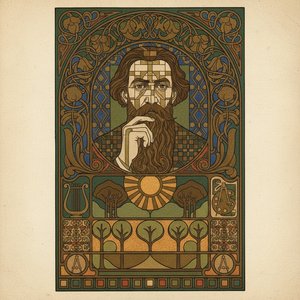
Koloman Moser: A Synthesis of Art Nouveau, Secessionism & the Gesamtkunstwerk Ideal
Explore the life & work of Koloman Moser, a pivotal figure in the Vienna Secession & Wiener Werkstätte. Discover his stunning graphic design, architecture, and applied arts – a true pioneer of Viennese Art Nouveau. Learn more at OriginalUniqueArt.

Crimson Threads of Narrative: Exploring Symbolism & Representation in Artworks Featuring the Red Dress
Explore the rich symbolism of the red dress in art history! From ancient power displays to iconic portraits like Cézanne’s 'Madame Cezanne', discover the cultural and artistic significance behind this captivating color. Expert analysis & insights.
Art Nouveau: De 10 Mesterværker der Definerede Stilen – Kunst og Indretning
Oplev Art Nouveau's 10 mest ikoniske værker! Fra Mucha til Klimt – dyk ned i jugendstilens symbolisme, organiske former og farver. Find inspiration & køb kunst online hos OriginalUniqueArt.com. Udforsk samlingen nu!

The Vienna Secession: A Rebellion of Form & Spirit in Fin-de-Siècle Art
Discover the revolutionary Vienna Secession art movement! Explore Klimt, Olbrich & more. Learn about its history, characteristics & lasting influence on modern art. High-quality reproductions available.
