

 Se i rummet
 Send
Send Del
Del
 Detaljer
 Studieguide til kunstværker

 Download
 Lignende værker
 Røntgenundersøgelse
 Se diasshow
 Statistik
Self-Portrait
 Akryl på papir
- Fauvism
 1910
1910- Moderne
 27.0 x 26.0 cm
 Læs mere
Giclée / Kunsttryk
Giclée- eller lærredstryk i museumskvalitet med hurtig produktion og fleksible muligheder for finish. ( Bestil håndmalet reproduktion Skift til digitalt billede)




P118B Dkr10

P118H Dkr10

P118W Dkr10

P438Z Dkr10

P508JH Dkr12

P508YH Dkr12

P805H Dkr10

P805Z Dkr10

P919BZ Dkr10

P919G Dkr10

P919XJ Dkr10

P959ZH Dkr10

P968JZ Dkr12

W106C Dkr8

W218G Dkr10

W218JH Dkr8

W218Y Dkr10

W307PJ Dkr10

W316G Dkr10

W316PJ Dkr8

W316Y Dkr10

W398PJ Dkr8

W4111J Dkr10

W500HY Dkr15

W500JH Dkr15

W692G Dkr12

W849H Dkr8

W940BG Dkr15

W953PJ Dkr8




Vælg mellem vores forudindstillede størrelser, der matcher kunstværkets originale proportioner.

Indtast den bredde og højde, du har brug for, så det passer til din ramme eller din væg. Et print kan kun beskæres, aldrig gøres større end billedet, så en størrelse med en anden form vil miste en del af motivet. Vi sender dig en digital mockup til godkendelse, før vi printer noget. Billedet vist på denne side viser ikke den faktiske beskæring — det er kun mockuppen, der gør.
Verdensomspændende levering () på 2 uger i stedet for de sædvanlige 4/5 uger. (23 oktober)

Gratis ekspresforsendelse til hele verden

Lærred af linned i høj kvalitet

Komplet transportforsikring

Garanti for refusion af told og importafgifter

Garanti for autentisk farvegengivelse

100 dages returret ved fabrikationsfejl

100% fuld returret

Mængderabat ved flere køb
 Glasmulighed er kun tilgængelig i størrelser under 110 cm

Self-Portrait
Giclée / Kunsttryk
Reproduktionsstørrelse
-


Samlet pris
Dkr 532
A Bold Statement of Form and Feeling
Kazimir Malevich's 1910 “Self-Portrait” is not merely a depiction of an individual; it’s a declaration. Painted in gouache on paper, this work stands as a pivotal example of the Fauvist movement – a radical departure from the naturalistic traditions that had dominated Western art for centuries. More than just a portrait, it's a concentrated distillation of color and form, a visual embodiment of Malevich’s burgeoning exploration of pure feeling and abstraction. The painting immediately commands attention with its vibrant palette: a striking red tie dominates the composition, juxtaposed against a background that seems to dissolve into an energetic swirl of blues and greens. This isn’t a realistic rendering; it's an emotional landscape rendered in pigment.
The Fauvist Impulse
Born from a reaction against Impressionism’s focus on capturing fleeting moments of light, Fauvism embraced the deliberate distortion of color for expressive effect. Artists like Henri Matisse and André Derain used intense hues – often divorced from naturalistic representation – to evoke moods and sensations directly. Malevich's “Self-Portrait” perfectly embodies this principle. The bold red isn’t simply a description of his tie; it’s a conduit for energy, confidence, or perhaps even defiance. The artist deliberately avoids subtle gradations, opting instead for flat areas of color that vibrate with intensity. This technique creates a sense of immediacy and raw emotion, pulling the viewer directly into the painting's core.
A Study in Geometric Simplicity
While firmly rooted in Fauvism, Malevich’s work is already hinting at his later development of Suprematism – an even more radical movement that sought to eliminate all representational elements from art. Notice the simplification of form within the portrait itself; the face is rendered with broad strokes and minimal detail, prioritizing the overall composition over a precise likeness. The background, too, is reduced to dynamic shapes and colors, suggesting movement and energy rather than a specific location. This deliberate reduction reflects Malevich’s belief that art should transcend the limitations of the visible world and tap into a realm of pure feeling and spirituality – a concept central to Suprematism.
Context within Post-Impressionism
To understand “Self-Portrait,” it's crucial to situate it within the broader context of Post-Impressionism. This movement, spanning from roughly 1886 to 1905, represented a diverse range of artistic approaches that reacted against Impressionism’s emphasis on capturing light and color. Artists like Paul Cézanne, Vincent van Gogh, and Paul Gauguin explored subjective experience, emotional intensity, and symbolic meaning in their work. Malevich's Fauvist tendencies align with this broader trend toward greater expressiveness and experimentation within the Post-Impressionist landscape. His exploration of color and form paved the way for the revolutionary developments that would characterize 20th-century art.
A Legacy of Abstraction
“Self-Portrait” is more than just a beautiful painting; it’s a foundational work in the history of modern art. It represents a crucial step toward abstraction, demonstrating Malevich's willingness to challenge conventional artistic norms and explore new ways of representing reality – or, perhaps more accurately, representing inner experience. Reproductions of this powerful image continue to resonate with viewers today, offering a glimpse into the mind of a visionary artist who fundamentally altered the course of art history. Explore high-quality reproductions on OriginalUniqueArt.com for a stunning addition to your collection.
Spørgsmål & svar
Hvor gammel var Kazimir Malevich, da "Self-Portrait" blev skabt?
Kazimir Malevich skabte "Self-Portrait" i en alder af 32. Kunstneren blev født i 1878, og værket er dateret 1910.
Hvad er "Self-Portrait" lavet af, og i hvilken stil?
"Self-Portrait" af Kazimir Malevich kombinerer Akryl på papir-teknikken med Fauvism-stilen. Teknik og stilart beskriver værkets fremstilling og æstetiske udtryk.
Hvordan kan jeg få et tryk af "Self-Portrait" af Kazimir Malevich?
"Self-Portrait" er tilgængelig som et fine art-print på bomuldscanvas eller arkivbestandigt lærredspapir. Bestilling sker på dens Fine art-print-side i den størrelse, du ønsker.
Om kunstneren
Kazimir Malevich: En Pioner indenfor Abstrakt Kunst
Kazimir Malevich (1878-1935) var en ukrainsk kunstner og en banebrydende figur inden for abstrakt kunst, hvis revolutionerende værker som ”Sort Tavle” har efterladt sig et dybt præg på moderne kunsthistorie. Hans arbejde udforskede nye territorier af følelse og geometri og udfordrede fundamentale idéer om kunstens rolle i samfundet. Denne artikel vil beskrive Malevichs liv, hans kunstneriske udvikling og hans betydning som en af de mest indflydelsesrige kunstnere på det 20. århundrede.Tidlig Liv og Påvirkninger
Malevich blev født i Kyiv Oblast, Ukraine, i 1878 til en polsk familie. Hans barndom var præget af den ukrainske landsbyidyl og dens rige folkelige kultur – elementer der senere ville finde deres vej ind i hans kunstneriske arbejde. Han modtog grundlæggende kunstuddannelse i Kyiv, hvor han blev introduceret til klassisk kunsthistorie og teknikker. Men allerede tidligt søgte Malevich efter inspiration uden for Ukrainens grænser og udviklede en interesse for europæiske kunststrømninger som Impressionisme og Symbolisme. Disse erfaringer ville forme hans kunstneriske verdensbillede og give ham et fundament til senere eksperimenter med nye stilformer.Kunstnerisk Udvikling & Nøgle Strømninger
Malevichs kunstneriske rejse begyndte i Paris i 1912, hvor han blev mødt af den europæiske avantgarde og fik direkte kontakt med kunstnere som Picasso og Matisse. Han eksperimenterede aktivt med forskellige teknikker og stilarter – Cubisme var særligt vigtig for hans udvikling – før han omkring 1915 fandt sin egen unikke stil: Suprematism. Denne nye bevægelse prægede sig ved en fuldstændig afvisning af traditionelle kunstformer og søgte efter et ærligt udtryk af følelser gennem rene geometriske figurer og farver. Dette var ikke blot en teknisk udfordring, men også en filosofisk erklæring om kunstens rolle i verden. Suprematism blev direkte inspireret af Vladimir Tatlin og Piet Mondrian.Nøgleværker & Filosofi
Malevichs mest ikoniske værker inkluderer ”Sort Tavle” (1915), hvor han reducerede billedet til blot en enkelt kvadratisk tavle, hvilket repræsenterede et radikalt brud med kunsthistorien og blev betragtet som et fundament for abstrakt kunst. Hans andet hovedværk var ”White on White” (1918), hvor han udforskede konceptet om ren geometri og følelse ved at præsentere kvadratiske områder af hvid maling på kvadratiske områder af hvid papir – en ekstrem reduktion, der skulle udtrykke essensen af kunstens ånd. Disse værker blev mødt med både begejstring og kritik fra kunstkritikerne og kunstnere på hans tid, men Malevichs vision om abstrakt kunst fortsatte at fascinere efterfølgende generationer af kunstnere. Han beskrev Suprematism som ”kunsten af det rene kvadrat” og hævdede, at målrettet kunst skulle være fri for alle referencer til den fysiske verden og fokusere på direkte følelsesmæssig kommunikation.Historisk Betydning & Eftervirkninger
Kazimir Malevichs arbejde havde en enorm indflydelse på udviklingen af abstrakt kunst i hele Europa og Rusland. Han blev betragtet som en af de vigtigste figurer inden for den russiske avantgarde og inspirerede kunstnere som El Lissitzky og Aleksandr Rodchenko til at udforske nye muligheder indenfor geometrisk abstraktion. Malevichs filosofi om kunstens rolle og hans eksperimenter med rene former blev mødt med både støtte og modstand fra konservative kræfter i samfundet, men hans arbejde fortsatte at være relevant for kunstnere og kunsthistorikere gennem hele det 20. århundrede. Han døde i Leningrad (nu St. Petersburg) i 1935 efter en kort periode med politisk repression og blev æret som en af Ukrainas største kunstnere og en pioner indenfor abstrakt kunstens historie. Hans værker udgør stadig dagligt inspiration for kunstnere verden over.
Kazimir Malevich
1878 - 1935 , Ukraine
Hurtige fakta
- Artistic Movement Or Style: Suprematisme, Abstrakt kunst
- Artists Or Movements Influenced By This Artist:
- Minimalisme
- Konstruktivisme
- Artists Who Influenced This Artist:
- Impressionisme
- Fauvisme
- Kubisme
- Date Of Birth: 1878
- Date Of Death: 1935
- Full Name: Kazimir Severinovich Malevich
- Nationality: Ukrainsk/Russisk
- Notable Artworks:
- Sorttavle
- Hvid på hvid
- Bygning under konstruktion
- Place Of Birth: Kijev, Ukraine
Relaterede artikler
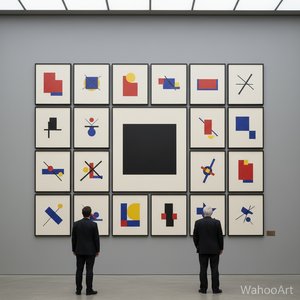
Kazimir Malevichs 25 Mesterværker: En Rejse Ind i Abstrakt Kunst | OriginalUniqueArt
Oplev Kazimir Malevichs 25 mest ikoniske værker! Dyk ned i Suprematismens verden, fra 'Sort Firkant' til 'Hvidt på Hvidt'. Find inspiration og køb museumskvalitets kunsttryk hos OriginalUniqueArt.com – din kilde til abstrakt kunst & eksklusiv vægkunst.

Crimson Threads of Narrative: Exploring Symbolism & Representation in Artworks Featuring the Red Dress
Explore the rich symbolism of the red dress in art history! From ancient power displays to iconic portraits like Cézanne’s 'Madame Cezanne', discover the cultural and artistic significance behind this captivating color. Expert analysis & insights.
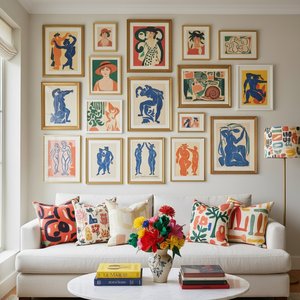
Henri Matisse' Top 25 Kunstværker: Farvernes Mester & Indretningens Ikoner
Oplev Henri Matisse' 25 mest ikoniske kunstværker – fra Fauvisme til Paper Cutouts. Lær historien bag farvernes mester og find inspiration til din boligindretning med museumskvalitets reproduktioner på OriginalUniqueArt.com.
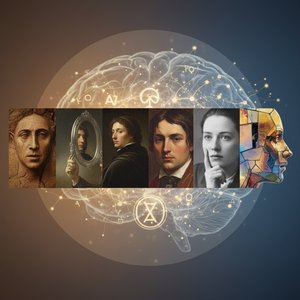
Reflecting the Self: A History of Portraiture & Psychological Insight
Explore the fascinating history of self-portraiture from Renaissance masters like Dürer & Rembrandt to modern interpretations. Discover the psychological insights and artistic techniques behind these iconic works. Expert analysis for art enthusiasts.

The Gleaming Geometry of Desire: Exploring Art Deco's Enduring Influence on Visual Culture
Explore the captivating world of Art Deco! Discover its history, key characteristics, enduring influence on design & collecting with expert insights from OriginalUniqueArt.com.


