
 Se i rummet
 Del som kort
 Del
Del
 Detaljer
 Guide
Guide

 Download
 Lignende værker
 Røntgenundersøgelse
 Diasshow
 Spørgsmål og svar
 Statistikker
L'étang


 Vis mere
Giclée / Kunsttryk
Giclée- eller lærredstryk i museumskvalitet med hurtig produktion og fleksible muligheder for finish. ( Køb håndmalet maleri Skift til digitalt billede)




P118B Dkr10

P118H Dkr10

P118W Dkr10

P438Z Dkr10

P508JH Dkr12

P508YH Dkr12

P805H Dkr10

P805Z Dkr10

P919BZ Dkr10

P919G Dkr10

P919XJ Dkr10

P959ZH Dkr10

P968JZ Dkr12

W106C Dkr8

W218G Dkr10

W218JH Dkr8

W218Y Dkr10

W307PJ Dkr10

W316G Dkr10

W316PJ Dkr8

W316Y Dkr10

W398PJ Dkr8

W4111J Dkr10

W500HY Dkr15

W500JH Dkr15

W692G Dkr12

W849H Dkr8

W940BG Dkr15

W953PJ Dkr8




Vælg mellem vores forudindstillede størrelser, der matcher kunstværkets originale proportioner.

Indtast den bredde og højde, du har brug for, så det passer til din ramme eller din væg. Et print kan kun beskæres, aldrig gøres større end selve billedet, så en størrelse med et andet format vil medføre, at dele af motivet går tabt. Vi sender dig en digital mockup til godkendelse, før vi printer noget. Billedet vist på denne side viser ikke den faktiske beskæring — det er kun mockuppen, der gør.
Verdensomspændende levering () på 2 uger i stedet for de sædvanlige 4/5 uger. (7 november)

Gratis ekspresforsendelse til hele verden

Lærred af linned i høj kvalitet

Fuld transportforsikring

Garanti for refusion af told og importafgifter

Garanti for præcis farvegengivelse

100 dages returret ved fabrikationsfejl

100% fuld returret

Mængderabat ved flere køb
 Glasmulighed er kun tilgængelig i størrelser under 110 cm

L'étang
Giclée / Kunsttryk
Størrelse på reproduktion
-


Samlet pris
Dkr 541
L'étang: A Tranquil Reflection of Barbizon Landscape Painting
Jules Dupré’s “L’étang” (The Pond) stands as a quintessential example of the Barbizon School’s artistic ethos—a profound engagement with nature driven by emotion and observation rather than idealized beauty. Painted circa 1870, this oil on canvas captures a serene riverside scene bathed in diffused sunlight, transporting viewers to the heart of rural France during its Belle Époque period. The artwork's understated palette – dominated by browns, muted greens, and grays – contributes to an atmosphere of contemplative melancholy, mirroring the melancholic grandeur often found within Barbizon landscapes.Composition and Technique: Mastering Atmospheric Perspective
Dupré skillfully employs compositional techniques characteristic of his time. The horizon line bisects the canvas roughly in half, establishing a balanced visual rhythm that emphasizes the expansive sky above and the tranquil water below. A crucial element is Dupré’s masterful use of atmospheric perspective—a technique perfected by artists like Corot—where objects receding into the distance appear paler and less sharply defined than those closer to the viewer. This illusionistic depth creates a convincing sense of space, drawing the eye inwards and fostering an immersive experience for the observer. The visible brushstrokes, particularly prominent in the sky and foliage, lend texture to the painting, conveying the materiality of the landscape itself. Impasto—thickly applied paint—creates palpable surface irregularities that heighten visual interest and communicate Dupré’s commitment to capturing the immediacy of his observations.Symbolism Within Nature's Embrace
Beyond its aesthetic qualities, “L’étang” resonates with symbolic meaning rooted in Barbizon iconography. The pond itself represents stillness and reflection – a metaphor for inner contemplation—while the grazing sheep symbolize innocence and simplicity. Scattered amongst the trees and distant buildings are elements of everyday rural life, subtly reinforcing the Barbizon School's fascination with portraying the commonplace as imbued with spiritual significance. Dupré’s depiction isn’t merely a representation of a landscape; it’s an invitation to contemplate its beauty and find solace in its quiet grandeur.Historical Context: The Barbizon Legacy
The Barbizon School emerged in France during the mid-19th century, reacting against the academic conventions prevalent at the Salon exhibitions. Artists like Dupré rejected idealized depictions of classical mythology or historical narratives, instead prioritizing direct engagement with the natural world—specifically the Fontainebleau Forest and its surrounding areas. This movement championed a return to disegno (drawing), valuing meticulous observation and tonal gradations as tools for conveying emotion and capturing the essence of place. “L’étang” embodies this legacy, securing Dupré's position as one of the foremost practitioners of Barbizon landscape painting—a style that continues to inspire artists and collectors today.Emotional Impact: A Moment Frozen in Time
Ultimately, "L’étang" succeeds in evoking a profound emotional response. The soft lighting, combined with the muted color palette and textured brushstrokes, creates an atmosphere of serene tranquility. It's a painting designed not for grand spectacle but for quiet contemplation—a reminder of the beauty inherent in the natural world and the importance of slowing down to appreciate its subtleties. Like many Barbizon masterpieces, Dupré’s work invites viewers to immerse themselves in a timeless scene, fostering a connection with both art history and the enduring power of landscape painting.Spørgsmål og svar
Hvor harmoniske er farverne i "L'étang" af Jules Dupré?
Farverne i "L'étang" af Jules Dupré udviser en Unified Palette harmoni. Harmoni beskriver, hvordan farverne relaterer sig til hinanden.
Kan jeg se "L'étang" af Jules Dupré under forskellig belysning?
Røntgenvisningen af "L'étang" af Jules Dupré findes på værkets Røntgenoptagelse-side: en interaktiv undersøgelse af billedet gennem elleve optiske lag.
Kan man se et diasshow af "L'étang" af Jules Dupré?
Se diaporamabillederne af "L'étang" på værkets side Billedserie.
Kunstnerbiografi
Barbisons dramatiske sjæl
Jules Dupré (1811–1889) står som en hjørnesten i Barbizon-skolen, en kunstnerisk bevægelse, der hyldede rå observation og følelsesmæssig resonans i landskabsmaleriet. I modsætning til sine samtidige, såsom Corot, der ofte søgte den lyriske skønhed og den rolige stilhed, kæmpede Dupré med naturens mørkere og mere stormfulde sider. Han besad en unik evne til at indfange stormens rasen, skumringens melankolske storhed og elementernes utrættelige energi, og han formidlede disse oplevelser med en uovertruffen intensitet. Født i Nantes, Frankrig, begyndte Duprés kunstneriske rejse midt i en spirende fascination for den naturlige verden og dens evne til at vække dybe, ofte turbulente, menneskelige følelser.
Hans tidlige liv lagde fundamentet for en omhyggelig sans for detaljen og en værdsættelse af håndværket, kvaliteter der blev slebet gennem hans fars porcelænsfabrik. Denne formative oplevelse skulle senere oversættes til hans egne kunstneriske bestræbelser, hvilket var særligt tydeligt i hans tidlige værker, hvor han udforskede de indviklede detaljer i keramisk dekoration. Som lærling inden for porcelænsdekoration lærte han disciplinen bag fine linjer og teksturer – et færdighedssæt, der med tiden udviklede sig til hans mesterlige håndtering af atmosfærisk dybde og organiske former.
En vision formet af storm og himmel
Duprés karriereforløb blev uigenkaldeligt formet af hans møde med John Constables banebrydende lærreder. Denne eksponering for engelske landskabstraditioner antændte et ønske om at indfange essensen af naturens dynamik – det utrættelige samspil mellem vindblæst løv og det dramatiske vekselspil mellem lys og skygge i dagens mest uforudsigelige timer. Ved sin rejse til Storbritannien i 1831 foretog Dupré dybdegående studier af disse engelske mestre, og han vendte tilbage til Frankrig med en portefølje af billedsprog, der ville omdefinere hans tilgang til landskabet.
Han fandt særlig inspiration i kystdistrikterne omkring Southampton og Plymouth. Disse enorme vandflader, der reflekterede turbulente himle, fungerede som det perfekte laboratorium for ham til at studere stormskydernes voldsomme bevægelser og havets rastløshed. Hans malerier fra denne periode er ikke blot afbildninger af landskaber; de er viscerale udtryk for stemning og følelse, gennemsyret af en mærkbar dramatik og endda sorg. Ved at omfavne Barbizon-æstetikken prioriterede Dupré ekspressive farvepaletter og dristige penselstrøg frem for idealiserede eller polerede repræsentationer, hvilket lod selve malingens tekstur spejle jordens råhed.
Barbizon-mesterens eftermæle
Som en central skikkelse i Barbizon-gruppen knyttede Dupré tætte bånd til andre legendariske malere, herunder Théodore Rousseau. Hans opstigning i det franske kunstetablissement var markeret af betydningsfulde milepæle, såsom hans optagelse på Salonen og den officielle anerkendelse gennem medaljer for sine landskaber. Hans arbejde blev synonymt med en vis klangfuld og resonant farveharmoni, hvor lyset fra en nedadgående sol eller mørket fra en kommende storm kunne føles af beskueren ligeså meget, som det kunne ses.
I dag huskes Jules Dupré som en af de mest indflydelsesrige franske landskabsmalere fra det 19. århundrede. Hans bidrag til kunsten ligger i hans evne til at bygge bro mellem ren observation og romantisk følelse. Gennem værker som La Petite Charrette, Cows Crossing a Ford og hans stemningsfulde skildringer af flodlandskaber, lærte han generationer af kunstnere, at naturen ikke blot er et motiv, der skal males, men en kraftfuld størrelse, der skal opleves. Hans eftermæle forbliver indlejret i de tunge, atmosfæriske teksturer og de dramatiske, levende himle, som fortsat formår at fange den moderne fantasi.

Jules Dupré
1811 - 1889 , Frankrig
Kort om kunstneren
- Bemærkelsesværdige Værker:
- Morning and Evening at the Louvre
- Crossing the Bridge in the Wallace Collection
- Dødsdato: 6. oktober 1889
- Fulde Navn: Jules Dupré
- Fødested: Frankrig
- Fødselsdato: Nantes, Frankrig (1811)
- Kunstnere Der Påvirkede Denne Kunstner: ['Constable']
- Kunstnere Eller Bevægelser Påvirket Af Denne Kunstner: ['Romantisk maleri']
- Kunstnerisk Bevægelse Eller Stil: Barbizon-skolen
- Nationalitet: Fransk
Relaterede artikler

Golden Light & Dutch Skies: Bringing the Magic of Dutch Golden Age Landscapes into Your Home
Transform your home with the breathtaking light of Dutch Golden Age landscapes. Discover how hand-painted oil reproductions of masterworks like Ruisdael and Vermeer bring timeless elegance, atmosphere, and soulful texture to modern interiors. Elevate your space with museum-quality art.
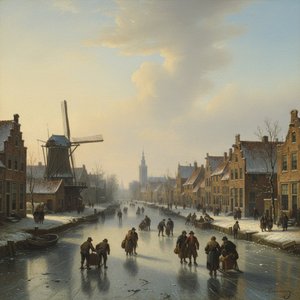
Charles Leickert: Capturing the Dutch Golden Age Light – A Comprehensive Study of Technique, Context, and Legacy
Explore the captivating winter landscapes of Charles Leickert, a master of Dutch Golden Age light & atmosphere. Discover his techniques, symbolism, and lasting legacy – a comprehensive study for art enthusiasts and collectors.
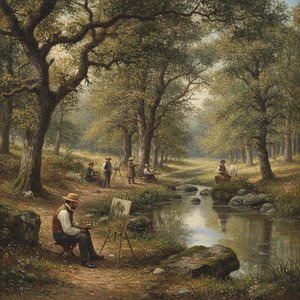
The Barbizon School: The Revolution of Naturalism and the Birth of Plein Air Landscape Painting
Explore the profound impact of the Barbizon School on landscape painting. Discover how masters like Rousseau and Corot revolutionized art through plein air naturalism, moving from academic idealism to the authentic beauty of the French countryside.

Masterpieces of Light: A Definitive Guide to the Landscapes of the Dutch Golden Age
Discover the luminous mastery of Dutch Golden Age landscapes. Our expert guide explores the atmospheric realism of masters like Van Goyen and Cuyp. Elevate your space with museum-quality, hand-painted oil reproductions from OriginalUniqueArt.com. Art history, beautifully realized.

Golden Light & Dutch Skies: The Timeless Magic of Dutch Golden Age Landscapes
Discover the breathtaking beauty of Dutch Golden Age landscapes. Explore the mastery of light, chiaroscuro, and 17th-century realism through an expert art history lens, celebrating the enduring legacy of the Dutch Masters for discerning collectors and art lovers.