

 Se i fuld skala
 Del
Del Del
Del
 Detaljer

 Download
 Lignende værker
 Røntgenundersøgelse
 Diasshow
In Ictu Oculi
 Acrylic
- WallArt
- Baroque
 1670
1670 220.0 x 216.0 cm
 Hospital de la Caridad
 Se mere
Giclée / Kunsttryk
Giclée- eller lærredstryk i museumskvalitet med hurtig produktion og fleksible muligheder for finish. ( Køb håndlavet maleri Køb billede)




P118B $10

P118H $10

P118W $10

P438Z $10

P508JH $12

P508YH $12

P805H $10

P805Z $10

P919BZ $10

P919G $10

P919XJ $10

P959ZH $10

P968JZ $12

W106C $8

W218G $10

W218JH $8

W218Y $10

W307PJ $10

W316G $10

W316PJ $8

W316Y $10

W398PJ $8

W4111J $10

W500HY $15

W500JH $15

W692G $12

W849H $8

W940BG $15

W953PJ $8




Vælg mellem vores forudindstillede størrelser, der matcher kunstværkets originale proportioner.

Du kan indtaste dine egne mål for at passe til en specifik ramme eller et bestemt område. Hvis den valgte størrelse ikke stemmer overens med det originale billedes proportioner, vil vi enten beskære kunstværket eller udvide billedet med en spejlet eller ensfarvet kant. En digital mockup vil blive sendt til din godkendelse, før produktionen påbegyndes.
Bemærk venligst, at forhåndsvisningen på skærmen ikke afspejler den faktiske beskæring eller udvidelse. Kun mockuppen vil nøjagtigt vise den endelige komposition.
Selvom specialmål er tilgængelige, anbefaler vi at vælge et mål fra den foruddefinerede liste for at bevare de originale proportioner.
Verdensomspændende levering () på 2 uger i stedet for de sædvanlige 4/5 uger. (27 august)

Gratis ekspresforsendelse til hele verden

Lærred af linned i høj kvalitet

Fuld transportforsikring

Garanti for refusion af told og importafgifter

Garanti for præcis farvegengivelse

60 dages returret (kun ved fabrikationsfejl)

100% Tilfredshedsgaranti

Mængderabat tilgængelig
 Glasmulighed er kun tilgængelig i størrelser under 110 cm

In Ictu Oculi
Giclée / Kunsttryk
Størrelse på reproduktion
-


Samlet pris
$ 81
Beskrivelse af samlerobjektet
A Meditation on Mortality: Juan de Valdés Leal’s “In Ictu Oculi”
The painting "In Ictu Oculi," attributed to Juan de Valdés Leal (1622-1690), stands as a poignant emblem of Baroque art's preoccupation with the ephemeral nature of existence. Executed in 1670, this monumental canvas—measuring 220 x 216 cm—captures a scene steeped in theological symbolism and rendered with meticulous detail that speaks volumes about Leal’s artistic prowess. It’s more than just an image; it's a carefully constructed dialogue between faith and decay, inviting contemplation on the inevitability of death and the importance of spiritual reflection.Subject Matter and Composition
At its core lies a stark depiction of a skeleton—a ubiquitous motif in Baroque art representing mortality—holding aloft a book and a crucifix. This juxtaposition immediately establishes the painting’s thematic focus: the soul's journey through life towards eternal salvation, juxtaposed against the inescapable reality of physical demise. The skeleton isn’t merely presented as an anatomical specimen; it exudes solemn dignity, positioned atop a substantial pile of books—symbols of knowledge and earthly pursuits—some scattered around its feet, suggesting that even intellectual endeavors ultimately succumb to time's relentless march. Leal skillfully utilizes perspective to create depth within the composition, drawing the viewer’s eye upwards towards the crucifix while simultaneously grounding it in the tangible world of literature and decay.Style and Technique
Leal’s artistic style aligns perfectly with the Baroque aesthetic—characterized by dramatic chiaroscuro (contrast between light and dark), opulent ornamentation, and a fervent emotional intensity. The painting demonstrates exceptional technical skill, achieved through oil paint on canvas. Leal employs painstaking brushwork to capture the textures of bone and parchment alike, conveying both physicality and intellectual contemplation. The artist’s masterful manipulation of light enhances the dramatic effect, highlighting the skeleton's form against the muted tones of the surrounding books, creating a visual representation of spiritual illumination battling against darkness.Historical Context: Baroque Theology
“In Ictu Oculi” emerged during a period profoundly influenced by Catholic theology—specifically, Jansenism—which emphasized introspection and the contemplation of God’s divine justice. The image reflects this intellectual climate, serving as a reminder that earthly achievements are ultimately meaningless in comparison to spiritual salvation. Leal's work aligns with broader Baroque artistic trends aimed at conveying moral instruction and provoking emotional responses from viewers. It was commissioned for the Church of San Francesco in Córdoba, underlining its purpose as devotional artwork intended to inspire piety and reinforce religious beliefs.Symbolism: Vanitas Revisited
The painting’s symbolism resonates deeply within the tradition of vanitas—a genre that explores themes of mortality, decay, and the futility of earthly pleasures. The skull represents death itself, while the book symbolizes wisdom and spiritual enlightenment – a paradox highlighting the limitations of human understanding in confronting eternity. Similarly, the crucifix embodies Christian faith and redemption, offering solace amidst despair. Leal’s deliberate arrangement reinforces these concepts, prompting viewers to confront their own mortality and consider the significance of their lives beyond the temporal realm.Emotional Impact: A Silent Plea for Reflection
Ultimately, “In Ictu Oculi” transcends mere visual representation; it evokes a profound emotional response. The painting's subdued palette—dominated by browns and ochres—contributes to its solemn atmosphere, fostering contemplation and prompting viewers to confront uncomfortable truths about human existence. Leal’s masterful execution compels us to consider the brevity of life and the enduring power of faith – leaving an indelible impression on anyone who engages with this arresting artwork.Kunstnerens biografi
Juan de Valdés Leal (1622 - 1690): A Master of Baroque Drama
Juan de Nisa Valdés Leal, born in Seville in 1622, stands as a pivotal figure in the history of Spanish Baroque painting. His artistic journey encompassed painting, sculpture, and architecture—a testament to his multifaceted talent and intellectual curiosity—leaving an indelible mark on Sevillian art and shaping the aesthetic sensibilities of his era. From humble beginnings studying under Antonio del Castillo in Córdoba, Leal ascended to prominence as a leader within the Seville Academy of Art, establishing it alongside Bartolomé Esteban Murillo in 1656, marking a significant moment in artistic innovation and patronage.Early Training and Artistic Influences
Leal’s formative years were steeped in the traditions of Córdoba’s artistic milieu, where he honed his skills under the tutelage of Antonio del Castillo—a master known for his meticulous realism and profound understanding of humanist ideals. This early exposure instilled in him a disciplined approach to observation and representation, profoundly impacting his subsequent stylistic choices. Furthermore, Leal's engagement with Herrera the Elder’s workshop fostered an appreciation for dramatic lighting and expressive composition—elements that would become hallmarks of his oeuvre. The influence of Herrera’s theatrical style is palpable in works like “The Saint Andrew,” demonstrating Leal’s ability to capture emotion and grandeur within a single canvas.Notable Works and Artistic Style
Leal's artistic output is characterized by an unwavering commitment to conveying profound psychological depth alongside technical virtuosity. His most celebrated paintings—including "History of the Prophet Elias," “Martyrdom of St. Andrew,” and “Triumph of the Cross”—are imbued with a palpable sense of solemnity and drama, reflecting the prevailing spiritual fervor of the Baroque period. He skillfully employed chiaroscuro—the dramatic interplay of light and shadow—to heighten emotional impact and create immersive visual experiences for viewers. Leal’s compositions are dynamic and energetic, capturing movement and gesture with remarkable precision—a stylistic hallmark that distinguishes him from Murillo's more serene aesthetic. His exploration of themes like vanitas—symbolic representations of mortality—underscores his intellectual engagement with humanist concerns about the human condition.The Seville Academy and Artistic Legacy
Leal’s founding of the Seville Academy of Art alongside Murillo represents a watershed moment in Sevillian artistic culture. This institution served as a crucible for experimentation and innovation, fostering a collaborative environment that propelled the development of Baroque painting techniques and broadened artistic horizons. Leal's presidency demonstrated his leadership qualities and commitment to nurturing talent—solidifying his position as one of Spain’s foremost artists and educators. His influence extended beyond the academy walls, shaping the artistic sensibilities of subsequent generations and contributing to the enduring legacy of Sevillian Baroque art.Concluding Reflections
Juan de Valdés Leal's artistic achievements stand as a testament to his unwavering dedication to craftmanship and intellectual curiosity. Despite facing challenges during the turbulent second half of the 17th century, he persevered in producing works that continue to captivate audiences today—works imbued with dramatic intensity, psychological insight, and masterful execution. His legacy resides not only in his iconic paintings but also in his role as a catalyst for artistic innovation and cultural enrichment—a true embodiment of the spirit of Baroque Spain.
Juan de Valdés Leal
1622 - 1690 , Spanien
Kort om kunstneren
- Artistic Movement Or Style: Barok
- Artists Who Influenced This Artist:
- Antonio del Castillo
- Francisco Herrera el Viejo
- Date Of Birth: 4 maj 1622
- Full Name: Juan de Nisa Valdés Leal
- Nationality: Spansk
- Notable Artworks:
- Historia del profeta Elías
- Martirio de San Andrés
- Triunfo de la Cruz
- Place Of Birth: Sevilla, Spanien
Relaterede artikler

Goyas Mesterværker: Top 25 Kunstværker fra den Spanske Sjæl – OriginalUniqueArt.com
Oplev Francisco Goyas 25 mest ikoniske kunstværker. Fra portrætter til 'De Sorte Malerier' – dyk ned i den spanske romantiks sjæl og Goyas teknikker. Find museumskvalitets reproduktioner & inspiration til din indretning på OriginalUniqueArt.com.
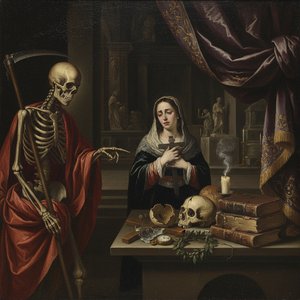
Juan de Valdés Leal: Baroque Realism, Memento Mori & Theatricality of Spanish Grief
Explore the powerful Baroque realism of Juan de Valdés Leal (1622-1690). Discover his somber masterpieces, iconic 'In Ictu Oculi', and profound explorations of mortality. Museum-quality reproductions available at OriginalUniqueArt.

The Dramatic Flourish: Exploring the Baroque Movement's Enduring Legacy in Art History
Explore the dramatic world of Baroque art! Discover iconic artists like Caravaggio & Rubens, defining techniques, and its lasting impact on art history. Expert insights for collectors & enthusiasts at OriginalUniqueArt.

Om os
Opdag vores historie! Vi bringer kunst i verdensklasse ind i dit liv gennem ekspertudvalg, skræddersyede kreationer og gratis forhåndsvisninger. Godkendt af private og virksomheder siden år 2000.
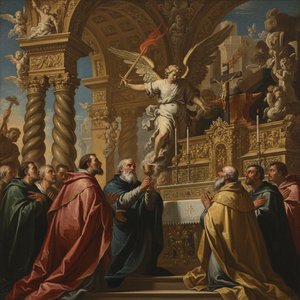
The Golden Age Reforged: Dramatic Realism & Religious Zeal in Spanish Baroque Art
Explore the dramatic world of Spanish Baroque art! Discover masters like Zurbarán & the powerful influence of religious zeal on painting techniques – a guide for collectors and enthusiasts.


