
 Se i fuld skala
 Del
Del Del
Del
 Detaljer

 Download
 Lignende værker
 Røntgenundersøgelse
 Diasshow
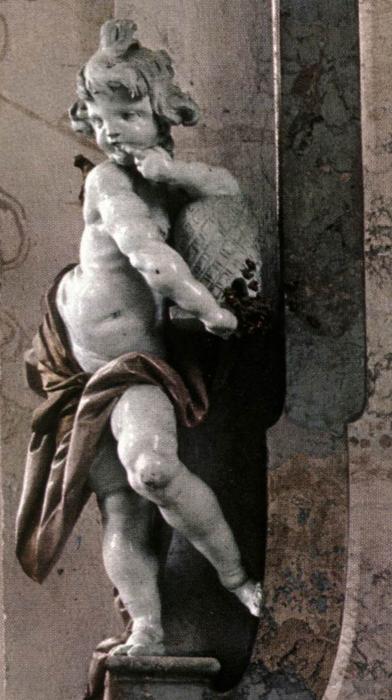
Angel


 Se mere
Giclée / Kunsttryk
Giclée- eller lærredstryk i museumskvalitet med hurtig produktion og fleksible muligheder for finish. ( Køb håndlavet maleri Køb billede)




































Vælg mellem vores forudindstillede størrelser, der matcher kunstværkets originale proportioner.

Du kan indtaste dine egne mål for at passe til en specifik ramme eller et bestemt område. Hvis den valgte størrelse ikke stemmer overens med det originale billedes proportioner, vil vi enten beskære kunstværket eller udvide billedet med en spejlet eller ensfarvet kant. En digital mockup vil blive sendt til din godkendelse, før produktionen påbegyndes.
Bemærk venligst, at forhåndsvisningen på skærmen ikke afspejler den faktiske beskæring eller udvidelse. Kun mockuppen vil nøjagtigt vise den endelige komposition.
Selvom specialmål er tilgængelige, anbefaler vi at vælge et mål fra den foruddefinerede liste for at bevare de originale proportioner.
Verdensomspændende levering () på 2 uger i stedet for de sædvanlige 4/5 uger. (16 august)

Gratis ekspresforsendelse til hele verden

Lærred af linned i høj kvalitet

Fuld transportforsikring

Garanti for refusion af told og importafgifter

Garanti for præcis farvegengivelse

60 dages returret (kun ved fabrikationsfejl)

100% Tilfredshedsgaranti

Mængderabat tilgængelig
 Glasmulighed er kun tilgængelig i størrelser under 110 cm

Angel
Giclée / Kunsttryk
Størrelse på reproduktion
-


Samlet pris
$ 81
Kunstnerens biografi
Joseph Anton Feuchtmayr: Sculptor of Rococo Grace
Joseph Anton Feuchtmayr (1696 – 1770) stands as a pivotal figure in the Wessobrunner School of sculpture and stucco art, shaping the aesthetic landscape of southern Germany and Switzerland during the High Baroque and early Rococo periods. Born into a distinguished artistic lineage—descendants of Johann Michael Feuchtmayer (the Elder)—he inherited not only talent but also an unwavering dedication to mastering the craft of transforming stone into breathtakingly luminous forms. His legacy resides in his masterful execution of monumental sculptures and intricate stucco decorations, particularly within monastic churches, where he achieved unparalleled renown.Early Life and Artistic Training
Feuchtmayr’s formative years were spent in Linz, Austria, where he received a rigorous artistic education under the tutelage of his father, Franz Joseph Feuchtmayer—a sculptor himself—and other prominent artists of the Wessobrunner School. This environment instilled within him a profound understanding of Baroque sculptural principles and techniques, emphasizing dynamism, emotional expression, and anatomical accuracy. Notably influenced by Diego Francesco Carlone, an Italian stuccoist who traveled extensively throughout Europe, Feuchtmayr honed his skills in achieving surfaces that possessed remarkable reflectivity—a characteristic that would become synonymous with his distinctive style.Notable Commissions and Artistic Style
Feuchtmayr’s career blossomed during the Baroque era, marked by ambitious ecclesiastical projects along the Upper Swabian Baroque Route. He swiftly gained recognition for his work on churches like Birnau Monastery, where he created “The Honey Eater,” a captivating depiction of St. Bernard delivering a sermon—a sculpture celebrated for its expressive gesture and masterful polishing technique. His collaborations with Johann Joseph Christian and Franz Xaver Feuchtmayer (the Elder) solidified his position as one of the foremost sculptors of his time, contributing significantly to the artistic grandeur of the region. Feuchtmayr’s sculptures are characterized by a harmonious blend of classical ideals and Baroque fervor, reflecting an astute assimilation of Italian influences while maintaining a distinctly German sensibility. The surfaces he achieved were exceptionally polished, creating an ethereal glow that captivated viewers and elevated his works to levels of sublime beauty.The Salem Monastery Legacy
Perhaps Feuchtmayr’s most enduring achievement is the monumental altar sculpture for Birnau Monastery—specifically, “The Honey Eater,” a poignant portrayal of St. Bernard delivering a sermon. This masterpiece exemplifies Feuchtmayr's signature style: dynamic composition, meticulous anatomical detail, and an astonishing level of surface polish that renders the figure bathed in radiant light. The sculpture’s enduring popularity testifies to its artistic merit and its ability to convey profound spiritual emotion—a testament to Feuchtmayr’s skill as a sculptor and his contribution to the visual culture of his era.A Continuing Influence
Today, Feuchtmayr's house and workshop in Mimmenhausen serve as a museum dedicated to preserving his artistic legacy. Visitors can explore reproductions of his sculptures and gain insight into his creative process—a tangible connection to a remarkable artist who shaped the aesthetic sensibilities of his time. His influence continues to resonate within contemporary sculpture, reminding us of the enduring power of craftsmanship and the pursuit of beauty through meticulous observation and skillful execution.
Joseph Anton Feuchtmayr
1696 - 1770 , Austria
Kort om kunstneren
- Artistic Movement Or Style: Rococo
- Artists Or Movements Influenced By This Artist: ['Upper Swabian Baroque Route']
- Artists Who Influenced This Artist: ['Diego Francesco Carlone']
- Date Of Birth: Linz, Austria (1696)
- Date Of Death: 1770
- Full Name: Joseph Anton Feuchtmayr
- Nationality: Austrian
- Notable Artworks:
- St. Joachim
- Pietà
- Place Of Birth: Linz
Relaterede artikler

Bronzeskulpturers Mestre: 10 Værker der Ændrede Kunsthistorien | OriginalUniqueArt
Oplev de 10 mest legendariske bronzeskulpturer, der har formet kunsthistorien! Fra Rodin til Vigeland – lær historierne bag mesterværkerne og find inspiration til din indretning. Køb museumskvalitets reproduktioner på OriginalUniqueArt.com.

The Enduring Form: Exploring Themes & Techniques in Sculpture Across Historical Periods
Explore the rich history of sculpture from ancient masterpieces to contemporary innovations. Discover key techniques, influential artists & investment potential for discerning art collectors.
The Enduring Form: Sculpture Across History, Technique & Emotional Resonance
Explore the rich history of sculpture with OriginalUniqueArt. Discover key techniques, influential artists & investment potential for discerning collectors. Expert insights into valuing and collecting timeless masterpieces.

Top 10 Bronzemesterværker: Kunsthistorien Ændret for Evigt | OriginalUniqueArt.dk
Oplev de 10 mest legendariske bronzemesterværker, der har formet kunsthistorien! Fra Rodin til Degas – lær historierne bag ikoniske skulpturer og find inspiration til din indretning. Køb museumskvalitets reproduktioner på OriginalUniqueArt.com.

Theatricality & Triumph: Baroque Drama in Painting & Sculpture
Explore the dramatic world of Baroque art! Discover its history, defining characteristics, & lasting influence on painting & sculpture. Expert insights into Caravaggio, Zurbarán, and Bernini – plus high-quality reproductions at OriginalUniqueArt.

