Neoclassicism · 1770
Lemuel Cox (John Singleton Copley, 1770)
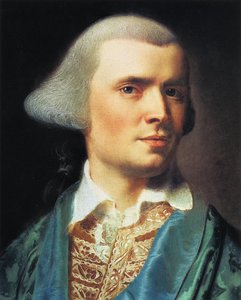
John Singleton Copley (1738–1815) har skabt Lemuel Cox. Det er fra 1770. Det tilhører Neoclassicism-bevægelsen. Den er udført i Oil On Canvas. Det opbevares på Baltimore Museum of Art i Baltimore, USA. Målene er 126 × 100 cm.
- 1770
- Oil On Canvas
- 126 × 100 cm
- Baltimore Museum of Art

 Se i rummet

 Håndmalet oliemalerie
 Del som kort
 Del
 Faktablad


 Download
 Lignende værker
 Røntgenundersøgelse
 Diasshow
 Spørgsmål og svar

 Statistikker
Lemuel Cox kort fortalt
- Titel
- Lemuel Cox
- Kunstner
- John Singleton Copley (1738–1815)
- Kunstner født i
- Boston, USA
- Dato
- 1770
- Medium
- Oil On Canvas
- Dimensioner
- 126 × 100 cm
- Hvor det kan ses
- Baltimore Museum of Art, Baltimore, USA
- Bevægelse
- Neoclassicism
- Periode
- Early Modern
- Motiv
- portraiture, colonialism, boston, copley, 18th century, formal
Hvad forestiller Lemuel Cox?
Identification of the Portrait of Lemuel Cox
John Singleton Copley executed Lemuel Cox in 1770. This portrait captures a seated subject, presented with the formal composure characteristic of colonial-era portraiture. The sitter is positioned in a manner that emphasizes his social presence and individual character.
The work represents a significant contribution to the Neo-Classicism movement. Through this portrait, John Singleton Copley utilized the oil on canvas medium to document the likeness of a specific individual within the social hierarchy of the period. The composition focuses on the subject's posture and attire to establish a sense of dignity.
Visual Composition and Subject Details
The subject is captured in a seated position, presented with an air of elegance and sophistication. He wears a blue suit accented by gold buttons arranged along the chest. Beneath the jacket, a crisp white shirt and a bow tie provide a sharp contrast to the darker tones of the tailoring.
The composition focuses on the sitter's posture and the material textures of his attire. Every detail of the clothing, from the arrangement of the buttons to the structure of the collar, contributes to a sense of composed authority. The arrangement of the figure emphasizes a quiet dignity through a controlled and deliberate presentation of status.
Technique and Physical Materials
Executed in oil on canvas, this Neo-Classicism work measures 100 x 126 cm. The medium allows for a high degree of technical precision, particularly in the rendering of material textures and the interplay of light and shadow. Such control is essential to the realism that defines the composition.
The artist employs a sophisticated layering of translucent glazes to achieve depth. This method, combined with rapid brushwork, captures the specific weight of fabric and the subtle gradations of skin. Every detail, from the gold buttons on the blue suit to the crispness of the white shirt, is rendered with anatomical accuracy and a focus on the physical presence of the sitter.
Where to See This Masterpiece Today
The Baltimore Museum of Art houses this portrait. Visitors can view the work within the museum's permanent collection, where it remains a significant piece of American art history. Its presence in this institution ensures continued access for those studying the development of colonial portraiture.
The work is a vital resource for historians and art enthusiasts. It provides a direct connection to the social hierarchies of the eighteenth century through its precise rendering of status and identity. Seeing the oil on canvas in person allows for a close examination of the technical precision required to capture such a subject.
Hvilket museum udstiller Lemuel Cox?
Baltimore Museum of Art
Baltimore, USA
Oprindelse og historie for Baltimore Museum of Art Rødderne til Baltimore Museum of Art er uløseligt knyttet til en bys genfødsel. I kølvandet på den store brand i Baltimore i 1904, som lagde store dele af byens centrum i aske, opstod en kollektiv vilje til at genopbygge alt det tabte. Denne periode med fornyelse blev selve drivkraften bag etableringen af en permanent institution for kunsten, og museet blev officielt stiftet den 16.


Højopløselige billeder af Lemuel Cox

Public domain: kunstneren døde i 1815.
Andre størrelser, beskæringer og kildehenvisning →John Singleton Copley, Lemuel Cox (1770), Baltimore Museum of Art. Public domain
Spørgsmål om Lemuel Cox besvaret
Hvor kan jeg se det originale værk "Lemuel Cox" af John Singleton Copley?
"Lemuel Cox" af John Singleton Copley er udstillet på Baltimore Museum of Art, Baltimore, USA. Museets fortegnelse henviser til det originale værk og ikke til reproduktioner.
I hvilket år blev "Lemuel Cox" af John Singleton Copley skabt?
"Lemuel Cox" af John Singleton Copley er dateret til 1770.
Hvilket medie er "Lemuel Cox" af John Singleton Copley udført i?
John Singleton Copley brugte Oil On Canvas-teknikken til "Lemuel Cox". Teknikken definerer det originale værks materielle karakter.
Hvad er målene på det originale "Lemuel Cox" af John Singleton Copley?
Det originale værk "Lemuel Cox" af John Singleton Copley måler 100 x 126 cm.
Hvad forestiller "Lemuel Cox" af John Singleton Copley?
"Lemuel Cox" af John Singleton Copley forestiller: portraiture, colonialism, boston, copley, 18th century, formal, dignified.
Er "Lemuel Cox" fri for ophavsret?
"Lemuel Cox" af John Singleton Copley er i det offentlige domæne – ophavsretten er udløbet. Denne status bestemmer, hvordan billedet af værket må reproduceres.
Hvem har skabt "Lemuel Cox"?
"Lemuel Cox" blev skabt af John Singleton Copley. Informationen på denne side beskriver John Singleton Copleys originale værk.
Hvilken kunstretning tilhører "Lemuel Cox" af John Singleton Copley?
"Lemuel Cox" af John Singleton Copley tilhører Neoclassicism-bevægelsen. Denne bevægelse giver den stilistiske kontekst for værket.
Hvilken periode i John Singleton Copleys karriere tilhører "Lemuel Cox"?
Inden for John Singleton Copleys karriere tilhører "Lemuel Cox" perioden Mature Period, hvilket gør det muligt at sammenligne værket med kunstnerens øvrige værker.
Om kunstneren, John Singleton Copley
1738–1815, USA
John Singleton Copley
Tidligt liv, familie og uddannelse John Singleton Copley trådte frem fra det kommercielle og rå miljø i det koloniale Boston, født i 1738. Hans opvækst var dybt forankret i den maritime handel ved Long Wharf, hvor hans mor, Mary Singleton Copley, drev en butik. Hans far, Richard Copley, arbejdede som tobakskøbmand. Dette miljø tilbød mere end blot en social kulisse; det gav ham et direkte indblik i de materielle teksturer og de sociale hierarkier, som senere skulle definere hans visuelle sprog.
Om John Singleton Copley Bemærkelsesværdige værker af John Singleton Copley
Også af John Singleton Copley
 Watson og hajen1778
 Brook Watson and the Shark1778
 Paul Revere1768
 The Colapse of the Earl of Chatham in the House of Lords (also known as The Death of the Earl of Chatham)1779
Essays om Lemuel Cox
 18th century American paintersMasterpieces by Copley and Stuart define 18th century American art. Explore the full collection online at OriginalUniqueArt.com.
 The Geometry of Presence: Mastering Composition and Stance in Classical PortraitureMaster the secrets of classical portraiture through geometry and light. Explore the techniques of the Old Masters today.
 American neoclassical paintersAmerican Neoclassical painters like Gilbert Stuart, John Singleton Copley, and Benjamin West. Shop museum-quality art reproductions on Orig…