
 Se i rummet
 Del som kort
 Del
Del
 Detaljer
 Guide
Guide

 Download
 Lignende værker
 Røntgenundersøgelse
 Diasshow
 Spørgsmål og svar
 Statistikker
Trevi Fountain

- 35.0 x 50.0 cm


 Vis mere
Giclée / Kunsttryk
Giclée- eller lærredstryk i museumskvalitet med hurtig produktion og fleksible muligheder for finish. ( Køb håndmalet maleri Skift til digitalt billede)




P118B Dkr10

P118H Dkr10

P118W Dkr10

P438Z Dkr10

P508JH Dkr12

P508YH Dkr12

P805H Dkr10

P805Z Dkr10

P919BZ Dkr10

P919G Dkr10

P919XJ Dkr10

P959ZH Dkr10

P968JZ Dkr12

W106C Dkr8

W218G Dkr10

W218JH Dkr8

W218Y Dkr10

W307PJ Dkr10

W316G Dkr10

W316PJ Dkr8

W316Y Dkr10

W398PJ Dkr8

W4111J Dkr10

W500HY Dkr15

W500JH Dkr15

W692G Dkr12

W849H Dkr8

W940BG Dkr15

W953PJ Dkr8




Vælg mellem vores forudindstillede størrelser, der matcher kunstværkets originale proportioner.

Indtast den bredde og højde, du har brug for, så det passer til din ramme eller din væg. Et print kan kun beskæres, aldrig gøres større end selve billedet, så en størrelse med et andet format vil medføre, at dele af motivet går tabt. Vi sender dig en digital mockup til godkendelse, før vi printer noget. Billedet vist på denne side viser ikke den faktiske beskæring — det er kun mockuppen, der gør.
Verdensomspændende levering () på 2 uger i stedet for de sædvanlige 4/5 uger. (3 november)

Gratis ekspresforsendelse til hele verden

Lærred af linned i høj kvalitet

Fuld transportforsikring

Garanti for refusion af told og importafgifter

Garanti for præcis farvegengivelse

100 dages returret ved fabrikationsfejl

100% fuld returret

Mængderabat ved flere køb
 Glasmulighed er kun tilgængelig i størrelser under 110 cm

Trevi Fountain
Giclée / Kunsttryk
Størrelse på reproduktion
-


Samlet pris
Dkr 540
A Vision of Roman Grandeur
In this evocative depiction of the Trevi Fountain, we are transported to the heart of Rome during a pivotal moment in the nineteenth century. The painting captures the monumental Baroque masterpiece not merely as a static architectural feat, but as a living, breathing entity. Through John Ruskin’s observant eye, the fountain emerges from its stone surroundings with a sense of profound vitality. The composition is anchored by the majestic presence of Neptune and his companions, their sculpted forms rising triumphantly above the cascading waters. As light dances across the turbulent surfaces of the pools, the viewer is invited to witness the interplay between the permanence of classical sculpture and the fleeting, rhythmic motion of the gushing torrents. This work serves as a window into an era where the grandeur of antiquity met the romantic sensibilities of the Victorian age.
The artist’s technique breathes life into the very elements of water and stone. There is a remarkable fluidity in the way the spray is rendered, creating a sense of mist and movement that seems to drift off the canvas. The inclusion of scattered birds adds a layer of spontaneous naturalism, breaking the formal rigidity of the architecture with traces of life and motion. For the discerning collector or interior designer, this piece offers a sophisticated balance of structural strength and ethereal lightness. The way the light catches the ripples in the water suggests a depth that draws the eye inward, making it an ideal focal point for a room that seeks to evoke elegance, tranquility, and a sense of historical discovery.
Historical Resonance and Emotional Depth
To understand this work is to understand the journey of its creator. Painted during a period of personal reflection and physical frailty, Ruskin’s encounter with the Trevi Fountain was marked by a complex emotional duality. While he famously harbored a preference for the intricate details of Gothic architecture over the sweeping drama of the Baroque, his sketches of Rome reveal an undeniable fascination with the power of the elements. In this painting, one can sense the artist's personal connection to the scene; he describes feeling lost among the mimicked rocks and deep pools, almost as if transported back to the familiar, rugged landscapes of his native Cumberland. This subtle infusion of personal nostalgia into a Roman landscape lends the artwork an intimate, soulful quality that transcends mere architectural documentation.
Beyond its aesthetic beauty, the painting carries a profound symbolic weight. The Trevi Fountain, with its themes of abundance and the mastery of water, represents the eternal cycle of nature and human ingenuity. The presence of Neptune, the god of the sea, serves as a reminder of the untamable forces of the world, even when harnessed within the confines of a city square. For those looking to adorn a space with art that inspires contemplation, this reproduction offers more than just decoration; it provides a narrative of resilience and beauty. It is a piece that invites the viewer to pause, to listen to the imagined roar of the water, and to find a moment of sublime peace amidst the complexities of modern life.
Spørgsmål og svar
Hvad er teknikken og årstallet for "Trevi Fountain" af John Ruskin?
"Trevi Fountain" blev skabt i 1841 med Drawing.
Hvilken følelse formidler "Trevi Fountain" af John Ruskin?
Den emotionelle stemning, der er registreret for "Trevi Fountain" af John Ruskin, er Dramatic. Den opsummerer den følelse, som værket udtrykker.
Er "Trevi Fountain" af John Ruskin et lyst eller et mørkt kunstværk?
"Trevi Fountain" har en overordnet lysstyrke på brilliant, og dens luminans er Gentle Luminance.
Kunstnerbiografi
A Polymath of Vision: The Life and Legacy of John Ruskin
John Ruskin, født i London den 8. februar 1819, var langt mere end blot en kunstkritiker; han var en viktoriansk polymat, hvis indflydelse gennemtrængte områderne æstetik, social reform, økonomi og miljøaktivisme. Hans liv blev præget af en fascinerende dualitet – den pragmatiske kommercielle verden af hans far, John James Ruskin, en succesfuld sherryhandler, og den fervente evangelisk pietet af hans mor, Margaret Cock. Denne kontrastfyldte opvækst indså i ham både et skarpt observationsøjeblik for detaljer og en dybt moralsk følelse, der skulle definere hele hans værk. Fra en tidlig alder var Ruskins uddannelse omhyggeligt kurateret hjemmefra, præget af bibelsk studie og eksponering for romantisk litteratur, især værkerne af Byron og Walter Scott. Disse formative indflydelser lagde grundlaget for et sind, der konstant søgte forbindelser mellem skønhed, sandhed og etik i livet. Hans akademiske rejse fortsatte ved Christ Church, Oxford, hvor han begyndte at udtrykke sine spirende ideer om kunst og dets forhold til samfundet.The Dawn of an Art Historian: Early Writings and Influences
Ruskins fremkomst som en betydelig stemme i kunstverdenen begyndte med *Modern Painters* (1843-1860), et monumentalt fembinds værk oprindeligt koncepteret som en forsvar af J.M.W. Turner mod hvad Ruskin betragtede som uretfærdig kritik. Dog udviklede *Modern Painters* sig hurtigt til noget langt mere dybtgående – en omfattende traktat om kunstens natur selv. Han argumenterede passioneret for “sandhed til naturen,” hvorved han fremhævede, at stor kunst ikke blot handlede om dygtig repræsentation, men om kunstnerens ærlige og empatiske engagement med den naturlige verden. Dette koncept var revolutionerende på tiden, udfordrende dominerende akademiske standarder og banebrydende vej for nye kunstneriske sansninger. Ruskin analyserede ikke kun teknik; han dykkede ned i kunstens åndelige og moralske kvaliteter, hvorved han mente, at ægte skønhed afspejlede en dydig sjæl. Hans præcise beskrivelser af landskaber, klippeformationer og botaniske detaljer afslører ikke kun hans skarpe observationsfærdigheder, men også hans dybe ærbødighed for naturen som et udtryk for guddommelig skabelse. Denne tidlige værk fastslog Ruskin som en formidable kritiker og satte scenen for hans senere udforskninger indenfor arkitektur og sociale spørgsmål. Han var dybt påvirket af Pre-Raphaelittenes Broderskab, hvorved han støttede deres engagement i detaljeret observation og afvisning af akademiske konventioner.Beyond Aesthetics: Social Commentary and The Guild of St. George
Efter Ruskins modenhed udvidede hans interesser sig ud over kunstens rene æstetik. Dybt bekymret for de sociale uligheder han vidste under den industrielle revolution begyndte han at anvende sin kritiske linse på de økonomiske og politiske strukturer af viktoriansk England. *Unto This Last* (1860), en serie af essays oprindeligt udgivet i *The Cornhill Magazine*, markerede et vendepunkt i hans karriere. I dette værk kritiserede Ruskin vehementt utilitaristisk økonomi og argumenterede for en mere human og retfærdig social orden baseret på principper om fællesskab og håndværk. Han hævdede, at arbejdsghedens ære var essentiel til et blomstrende samfund og at ægte rigdom lå ikke i materielle ejendomme, men i kvaliteten af menneskelige relationer. Denne overbevisning førte ham til at grundlægge *Fors Clavigera* (1871-1884), en månedlig serie af breve adresseret “Til arbejderne og arbejdsløserne i Storbritannien,” hvor han udtrykte sine sociale og politiske ideer med karakteristisk entusiasme. Fra disse breve opstod Guild of St. George, grundlagt i 1871, en organisation dedikeret til fremme af håndværk, landbrugsindustrier og uddannelse blandt arbejdergrupper. Guilden havde til hensigt at skabe et modelsamfund baseret på Ruskins idealer, hvorved han fremmede kunstnerisk færdighed, etik i arbejde og en harmonisk relation til naturen.A Lasting Impression: Ruskin's Enduring Legacy
John Ruskin døde i Coniston, Lancashire, den 20. januar 1900, efterladende sig et enormt værk, der fortsætter med at resonere i dag. Hans indflydelse udvides langt ud over kunsthistorien og kritikken. Han forudså mange af de bekymringer, der definerer nutidens tanker – miljøaktivisme, bæredygtigt levevis og vigtigheden af håndværk. Hans skrivninger om arkitektur havde dybtgående effekt på Arts and Crafts bevægelsen, hvorved han inspirerede arkitekter som William Morris til at afvise industriel masseproduktion til fordel for håndlavede designs rodfæstet i traditionelle teknikker. Ruskins fokus på kunstens forbindelse til natur og menneskelige relationer forbliver bemærkelsesværdigt relevant i en alder, der kæmper med miljøkriser og sociale uligheder. Han var en visionær, der modtog sig konventionel visdom og argumenterede for et samfund, hvor både kunstnerisk udtryk og menneskelig værdighed værdsættes.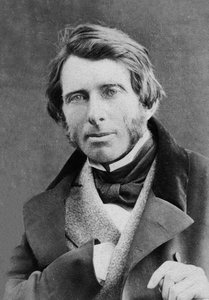
John Ruskin
1819 - 1900 , Storbritannien
Kort om kunstneren
- Artistic Movement Or Style: Victorian Art, Kunstkritik
- Artists Or Movements Influenced By This Artist: ['Pre-Raphaelites']
- Artists Who Influenced This Artist: ['J.M.W. Turner']
- Date Of Birth: Februar 8, 1819
- Date Of Death: Januar 20, 1900
- Full Name: John Ruskin
- Nationality: Britisk
- Notable Artworks:
- Dawn, Coniston
- Fors Clavigera
- Place Of Birth: London, UK
Relaterede artikler
John Ruskin: Art, Ethics & the Victorian Pursuit of Beauty
Explore the life & work of John Ruskin, Victorian polymath and influential art critic. Discover his aesthetic principles, social critiques, and lasting impact on art, architecture, and our understanding of beauty. Learn about the Pre-Raphaelites & more.

John Singer Sargent: Top 25 Mesterværker – Portrætter & Historier | OriginalUniqueArt.dk
Oplev John Singer Sargents 25 mest ikoniske malerier – fra elegante portrætter til impressionistiske mesterværker. Lær historierne bag kunsten & find inspiration til din indretning med OriginalUniqueArt.com. Udforsk samlingen online!

John Constables 25 Mesterværker: En Hyldest til Englands Landskabskunst | OriginalUniqueArt.com
Oplev John Constables 25 mest ikoniske værker! Fordyb dig i engelsk romantik, betagende landskaber og tidløs skønhed. Køb museumskvalitets reproduktioner af 'The Hay Wain' & mere på OriginalUniqueArt.com – inspiration til dit hjem.

The Dramatic Flourish: Exploring the Baroque Movement's Enduring Legacy in Art History
Explore the dramatic world of Baroque art! Discover iconic artists like Caravaggio & Rubens, defining techniques, and its lasting impact on art history. Expert insights for collectors & enthusiasts at OriginalUniqueArt.

Barokkens Drama: Hvordan Storhed og Emotion Bringes Ind i Moderne Interiører
Dyk ned i barokkunstens verden! Lær om stilens historie, karakteristika og hvordan du integrerer dens drama og elegance i dit moderne hjem. Inspiration & ekspertrådgivning.