
 Se i rummet
 Del som kort
 Del
Del
 Detaljer
 Guide
Guide

 Download
 Lignende værker
 Røntgenundersøgelse
 Diasshow
 Spørgsmål og svar
 Statistikker
Leaving School

- 36.0 x 51.0 cm


 Vis mere
Giclée / Kunsttryk
Giclée- eller lærredstryk i museumskvalitet med hurtig produktion og fleksible muligheder for finish. ( Køb håndmalet maleri Skift til digitalt billede)




P118B Dkr10

P118H Dkr10

P118W Dkr10

P438Z Dkr10

P508JH Dkr12

P508YH Dkr12

P805H Dkr10

P805Z Dkr10

P919BZ Dkr10

P919G Dkr10

P919XJ Dkr10

P959ZH Dkr10

P968JZ Dkr12

W106C Dkr8

W218G Dkr10

W218JH Dkr8

W218Y Dkr10

W307PJ Dkr10

W316G Dkr10

W316PJ Dkr8

W316Y Dkr10

W398PJ Dkr8

W4111J Dkr10

W500HY Dkr15

W500JH Dkr15

W692G Dkr12

W849H Dkr8

W940BG Dkr15

W953PJ Dkr8




Vælg mellem vores forudindstillede størrelser, der matcher kunstværkets originale proportioner.

Indtast den bredde og højde, du har brug for, så det passer til din ramme eller din væg. Et print kan kun beskæres, aldrig gøres større end selve billedet, så en størrelse med et andet format vil medføre, at dele af motivet går tabt. Vi sender dig en digital mockup til godkendelse, før vi printer noget. Billedet vist på denne side viser ikke den faktiske beskæring — det er kun mockuppen, der gør.
Verdensomspændende levering () på 2 uger i stedet for de sædvanlige 4/5 uger. (7 november)

Gratis ekspresforsendelse til hele verden

Lærred af linned i høj kvalitet

Fuld transportforsikring

Garanti for refusion af told og importafgifter

Garanti for præcis farvegengivelse

100 dages returret ved fabrikationsfejl

100% fuld returret

Mængderabat ved flere køb
 Glasmulighed er kun tilgængelig i størrelser under 110 cm

Leaving School
Giclée / Kunsttryk
Størrelse på reproduktion
-


Samlet pris
Dkr 541
Artistic Elements and Symbolism
The scene depicts a group of people standing in a field, surrounded by trees, with a woman wearing a hat as the focal point. The presence of birds flying around adds a sense of movement and life to the otherwise peaceful setting. A handbag placed on the ground near one of the individuals suggests a sense of casualness and everyday life. The overall mood of the painting is one of relaxation and contentment, inviting the viewer to reflect on the simple joys of life.As we explore the artwork, we notice the attention to detail and the use of light and shadow to create depth and dimension. The brushstrokes are bold and expressive, conveying a sense of energy and movement. For those interested in learning more about John Robertson Reid and his works, visit the OriginalUniqueArt website to discover a wide range of handmade oil painting reproductions.
Related Artists and Collections
Other notable artists whose works can be found on OriginalUniqueArt include Sir George Clausen, known for his powerful and evocative oil paintings like Youth Mourning, and Graeme Todd, whose works such as Island VI showcase a unique blend of styles. For more information on these artists and their collections, visit the OriginalUniqueArt website. Additionally, readers can learn more about the cultural and historical context of Louisiana, where the artist's style may have been influenced, on Wikipedia.- Discover the world of handmade oil painting reproductions on OriginalUniqueArt
- Learn more about John Robertson Reid and his artwork Leaving School
- Explore the collections of other notable artists like Sir George Clausen and Graeme Todd
Spørgsmål og svar
Kan jeg undersøge "Leaving School" mere detaljeret?
Røntgenvisningen af "Leaving School" af John Robertson Reid findes på værkets Røntgenoptagelse-side: en interaktiv undersøgelse af billedet gennem elleve optiske lag.
Hvor kan man i dag se "Leaving School" af John Robertson Reid udstillet?
Du kan se det originale værk "Leaving School" på The Fleming Collection, London, United Kingdom.
Hvordan forenes kunstretning og epoke i "Leaving School" af John Robertson Reid?
I "Leaving School" af John Robertson Reid mødes Realism-stilen med 19th Century-æraen.
Kunstnerbiografi
Early Life and Artistic Foundations
John Robertson Reid, born on August 6th, 1851, in Scotland, embarked on a journey that would see him capture the essence of British life with remarkable detail and sensitivity. His initial artistic training under George Chalmers and William MacTaggart laid a solid foundation for his future endeavors, instilling within him a respect for traditional techniques alongside an emerging interest in capturing the natural world directly from observation. This early period was characterized by a dedication to plein air painting – working outdoors, directly before the subject – a practice that would become central to his artistic identity and set him apart from many of his contemporaries. He honed his skills depicting the Surrey countryside, often employing local people as models, creating scenes imbued with authenticity and a quiet dignity.The Cornish Years: A Flourishing Career
In the early 1880s, Reid relocated to Cornwall, a region that would profoundly influence his artistic output for decades. The rugged coastline, picturesque villages, and vibrant community provided an endless source of inspiration. It was here that his career truly flourished. He became known for his ability to portray everyday life with both realism and emotional depth. Scenes of coastal activity, family gatherings, and rural pursuits filled his canvases, offering a glimpse into the lives of ordinary people during the Victorian era. This period saw him move toward what would become his signature style – a blend of Naturalism, influenced by artists like Sir George Clausen, and elements of Realism inspired by French painters such as Jules Bastien-Lepage, with subtle hints of Impressionistic techniques in his handling of light and color.Presidency and Recognition
Reid’s talent and dedication did not go unnoticed. In 1886, he was elected President of the Society of British Artists, a prestigious position that provided him with increased visibility and access to London's art circles. He further solidified his standing in the artistic community by becoming President of the Society of Sculptors, Painters and Gravers in 1898. These roles not only elevated his profile but also allowed him to champion the work of other artists and contribute to the broader cultural landscape. His paintings were increasingly sought after, and he gained a reputation for capturing the spirit of the age with honesty and grace.A Unique Approach: Cricket Matches and Social Commentary
While Reid excelled in portraying various aspects of British life, his depictions of country cricket matches are particularly noteworthy. “A Country Cricket Match,” painted at The Well House in West Sussex, is a prime example of his ability to blend sporting action with social observation. These paintings weren’t merely records of a game; they were detailed portraits of Victorian society, capturing the interactions and nuances of village life. He meticulously documented the scene on location, adding layers of authenticity that resonated with viewers. Beyond cricket, Reid's work often subtly commented on the changing social dynamics of the time, portraying the lives of working-class individuals with respect and dignity – a refreshing perspective in an era often dominated by depictions of the upper classes.Legacy and Influence
John Robertson Reid passed away on February 10th, 1926, leaving behind a rich artistic legacy. His work continues to be admired for its technical skill, emotional depth, and insightful portrayal of Victorian life. He was not only a talented painter but also a dedicated advocate for the arts, fostering a sense of community among his peers. His sisters, Lizzie Reid and Flora MacDonald Reid, were also exhibiting artists, demonstrating a strong artistic lineage within the family. Furthermore, he was the great-uncle of Sir Norman Reid, who later served as Director of the Tate Gallery, further cementing the family’s contribution to the art world. His paintings offer a valuable window into a bygone era, capturing the beauty and complexity of British society with enduring appeal.
John Robertson Reid
1851 - 1926
Kort om kunstneren
- Full Name: John Robertson Reid
- Nationality: Scottish
- Date Of Birth: 1851
- Date Of Death: 1926
- Place Of Birth: Edinburgh, Scotland
- Notable Artworks:
- Leaving School
- Rival Grandfathers
- John Campbell
- Artistic Movement Or Style: Impressionism
- Artists Who Influenced This Artist:
- William Holman Hunt
- George Frederic Watts
- Artists Or Movements Influenced By This Artist: ['Cornish Impressionism']
Relaterede artikler

John Constables 25 Mesterværker: En Hyldest til Englands Landskabskunst | OriginalUniqueArt.com
Oplev John Constables 25 mest ikoniske værker! Fordyb dig i engelsk romantik, betagende landskaber og tidløs skønhed. Køb museumskvalitets reproduktioner af 'The Hay Wain' & mere på OriginalUniqueArt.com – inspiration til dit hjem.

Oil on Canvas: A Historical & Technical Exploration of a Timeless Artistic Medium
Explore the rich history & enduring techniques of oil painting on canvas. Discover the science behind its longevity, conservation practices, and contemporary relevance. Expert insights for art enthusiasts.

The Enduring Legacy of Oil on Canvas: Technique, History & Aesthetic Impact
Explore the rich history & techniques of oil painting – from Renaissance masters to Impressionism. Discover pigments, layering methods, and why this timeless medium endures. Expert insights for artists & art enthusiasts.
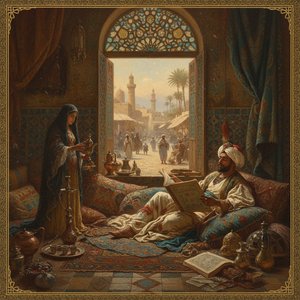
John Frederick Lewis: Orientalism, Detail & Genre Painting in 19th-Century British Art
Explore the captivating Orientalist paintings of John Frederick Lewis! Discover his mastery of detail, genre scenes & influence on 19th-century British art. Learn about his life, techniques & legacy at OriginalUniqueArt.

John Singer Sargent: Top 25 Mesterværker – Portrætter & Historier | OriginalUniqueArt.dk
Oplev John Singer Sargents 25 mest ikoniske malerier – fra elegante portrætter til impressionistiske mesterværker. Lær historierne bag kunsten & find inspiration til din indretning med OriginalUniqueArt.com. Udforsk samlingen online!