

 Se i rummet
 Send
Send Del
Del
 Detaljer
 Studieguide til kunstværker

 Download
 Lignende værker
 Røntgenundersøgelse
 Se diasshow
 Statistik
Aston Hall, East Front
 1854
1854 39.0 x 66.0 cm
 Læs mere
Giclée / Kunsttryk
Giclée- eller lærredstryk i museumskvalitet med hurtig produktion og fleksible muligheder for finish. ( Bestil håndmalet reproduktion Skift til digitalt billede)




































Vælg mellem vores forudindstillede størrelser, der matcher kunstværkets originale proportioner.

Du kan indtaste dine egne mål for at passe til en specifik ramme eller et bestemt område. Hvis den valgte størrelse ikke stemmer overens med det originale billedes proportioner, vil vi enten beskære kunstværket eller udvide billedet med en spejlet eller ensfarvet kant. En digital mockup vil blive sendt til din godkendelse, før produktionen påbegyndes.
Bemærk venligst, at forhåndsvisningen på skærmen ikke afspejler den faktiske beskæring eller udvidelse. Kun mockuppen vil nøjagtigt vise den endelige komposition.
Selvom specialmål er tilgængelige, anbefaler vi at vælge et mål fra den foruddefinerede liste for at bevare de originale proportioner.
Verdensomspændende levering () på 2 uger i stedet for de sædvanlige 4/5 uger. (26 september)

Gratis ekspresforsendelse til hele verden

Lærred af linned i høj kvalitet

Komplet transportforsikring

Garanti for refusion af told og importafgifter

Garanti for autentisk farvegengivelse

100 dages returret ved fabrikationsfejl

100% fuld returret

Mængderabat ved flere køb
 Glasmulighed er kun tilgængelig i størrelser under 110 cm

Aston Hall, East Front
Giclée / Kunsttryk
Reproduktionsstørrelse
-


Samlet pris
$ 81
Om kunstneren
John Joseph Hughes: A Shepherd of English Landscapes
John Joseph Hughes (1797-1864) stands as a quietly significant figure in 19th-century British art, primarily recognized for his serene and meticulously rendered depictions of English countryside life. Born in County Tyrone, Ireland, Hughes’s artistic journey began not with grand ambitions but with a grounding in the practicalities of rural existence – initially as a gardener, later as a teacher and eventually, a dedicated landscape painter. His work offers a poignant glimpse into a vanishing era, capturing idyllic scenes of Warwickshire mills, castles, and rolling fields with an understated beauty that belies their historical importance. Hughes’s art isn't characterized by dramatic flourishes or bold statements; instead, it resides in the subtle nuances of light, texture, and composition, creating images imbued with a profound sense of peace and nostalgia.Early Life and Influences: From Gardener to Painter
Hughes’s early life was shaped by both hardship and opportunity. Born into a modest farming family, he experienced the challenges of rural Irish life firsthand. This experience instilled in him a deep appreciation for the natural world and a keen eye for detail – qualities that would later inform his artistic practice. His initial employment as a gardener at Favour Royal Manor provided invaluable exposure to diverse plant life and cultivated an understanding of landscape design. Crucially, this period also introduced him to the burgeoning world of art through his association with Mother Elizabeth Ann Seton, a pivotal figure in the early Catholic Church in America. Her encouragement and support paved the way for Hughes’s formal artistic training at Mount St. Mary's College in Emmitsburg, Maryland – an institution that profoundly shaped his aesthetic sensibilities. The influence of the Pre-Raphaelites, though perhaps not explicitly acknowledged, is subtly present in his meticulous attention to detail and his preference for depicting scenes of quiet beauty. Interestingly, Hughes’s career was initially intertwined with the Catholic Church; he served as a priest and later as Archbishop of New York, demonstrating a commitment to both artistic expression and religious service.A Painter of Pastoral Scenes: Warwickshire and Beyond
Hughes's most celebrated works depict scenes from the English countryside, particularly those found in Warwickshire. His paintings are not grand historical narratives but rather intimate portraits of daily life – farmers tending their fields, mill workers at their looms, and stately castles standing sentinel over vast landscapes. A prime example is “Farm in Wood Lane, Handsworth, Birmingham,” a work that exemplifies his signature style: muted tones, layered textures, and an almost photographic realism. The composition draws the eye through carefully placed elements, creating a sense of depth and inviting the viewer to lose themselves in the scene. While he frequently painted mills, these weren’t simply industrial structures; they were integrated seamlessly into the landscape, reflecting Hughes's belief in the harmonious relationship between humanity and nature. His depictions of castles, often viewed from a distance, suggest a connection to England’s rich history and tradition. Hughes’s ability to capture the essence of a place – its light, atmosphere, and character – is what distinguishes his work and endures as a testament to his artistic skill.Technique and Style: Meticulous Detail and Atmospheric Perspective
Hughes's artistic technique was characterized by meticulous detail and a sophisticated understanding of atmospheric perspective. He employed a restrained palette, favoring earthy tones and subtle gradations of color to create a sense of realism and depth. His brushwork is generally smooth and controlled, reflecting his careful observation of nature. He paid particular attention to the rendering of light and shadow, using chiaroscuro – the dramatic contrast between light and dark – to model forms and evoke mood. The influence of Joseph Wright of Derby, a pioneering artist known for his scientific depictions of industry and natural phenomena, can be detected in Hughes’s use of light and composition. Hughes's work is not about grand gestures or flamboyant displays; it’s about capturing the quiet beauty of everyday life with remarkable precision and sensitivity.Legacy and Historical Significance
John Joseph Hughes may not be a household name, but his paintings hold a significant place in British art history. His serene landscapes offer a valuable window into 19th-century England – a time of rapid social change and industrialization. His work stands as a counterpoint to the more dramatic and overtly political art of the era, providing instead a quiet celebration of rural life and the beauty of the natural world. The National Portrait Gallery’s collection of his works underscores their enduring appeal and historical importance. Hughes's legacy lies not in revolutionary innovations but in his ability to capture the essence of a bygone era with remarkable skill and understated grace – a testament to the power of observation, patience, and a deep appreciation for the beauty that surrounds us.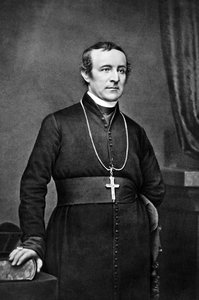
john joseph hughes
1797 - 1864
Hurtige fakta
- Artistic Movement Or Style: Landscape painting
- Date Of Birth: 1797
- Date Of Death: 1864
- Full Name: John Joseph Hughes
- Nationality: British
- Notable Artworks:
- Farm in Wood Lane
- Warwickshire views
- Place Of Birth: County Tyrone, Ireland