
 Se i rummet
 Del som kort
 Del
Del
 Detaljer
 Guide
Guide

 Download
 Lignende værker
 Røntgenundersøgelse
 Diasshow
 Spørgsmål og svar
 Statistikker
The Via Mala


 Vis mere
Giclée / Kunsttryk
Giclée- eller lærredstryk i museumskvalitet med hurtig produktion og fleksible muligheder for finish. ( Køb håndmalet maleri Skift til digitalt billede)




P118B Dkr10

P118H Dkr10

P118W Dkr10

P438Z Dkr10

P508JH Dkr12

P508YH Dkr12

P805H Dkr10

P805Z Dkr10

P919BZ Dkr10

P919G Dkr10

P919XJ Dkr10

P959ZH Dkr10

P968JZ Dkr12

W106C Dkr8

W218G Dkr10

W218JH Dkr8

W218Y Dkr10

W307PJ Dkr10

W316G Dkr10

W316PJ Dkr8

W316Y Dkr10

W398PJ Dkr8

W4111J Dkr10

W500HY Dkr15

W500JH Dkr15

W692G Dkr12

W849H Dkr8

W940BG Dkr15

W953PJ Dkr8




Vælg mellem vores forudindstillede størrelser, der matcher kunstværkets originale proportioner.

Indtast den bredde og højde, du har brug for, så det passer til din ramme eller din væg. Et print kan kun beskæres, aldrig gøres større end selve billedet, så en størrelse med et andet format vil medføre, at dele af motivet går tabt. Vi sender dig en digital mockup til godkendelse, før vi printer noget. Billedet vist på denne side viser ikke den faktiske beskæring — det er kun mockuppen, der gør.
Verdensomspændende levering () på 2 uger i stedet for de sædvanlige 4/5 uger. (14 november)

Gratis ekspresforsendelse til hele verden

Lærred af linned i høj kvalitet

Fuld transportforsikring

Garanti for refusion af told og importafgifter

Garanti for præcis farvegengivelse

100 dages returret ved fabrikationsfejl

100% fuld returret

Mængderabat ved flere køb
 Glasmulighed er kun tilgængelig i størrelser under 110 cm

The Via Mala
Giclée / Kunsttryk
Størrelse på reproduktion
-


Samlet pris
Dkr 539
John Frederick Lewis’s “The Via Mala”: A Window into Ottoman Life
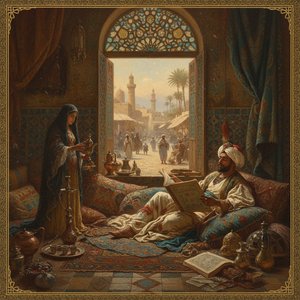
John Frederick Lewis's "The Via Mala," painted in 1827, isn’t merely a landscape; it’s a meticulously crafted portal into the world of 19th-century Orientalism. This watercolor and oil masterpiece transports us to the dramatic gorges of the Rhine Valley in Switzerland, yet its power lies not just in its topographical accuracy but in Lewis's profound understanding – and romanticized depiction – of Ottoman culture and daily life. The painting captures a pivotal moment: a group of travelers navigating a treacherous path carved into the mountainside, their figures rendered with an almost photographic realism that belies the artist’s deliberate artistic choices.
Lewis’s journey to Switzerland was part of a larger pattern – a sustained period of travel and observation across the Mediterranean and Middle East. He spent years living in Cairo, immersing himself in the sights, sounds, and customs of Ottoman society. This extended sojourn profoundly shaped his artistic vision, moving him beyond simple depictions of exotic locales towards a nuanced portrayal of human interaction within those environments. Unlike many Western artists who approached Orientalism with a sense of detached observation or even exploitation, Lewis sought to represent the people he encountered with respect and empathy, capturing their clothing, architecture, and social rituals with remarkable detail.
A Symphony of Detail: Technique and Composition
Lewis’s technical skill is immediately apparent. The painting is characterized by an extraordinary level of precision – a hallmark of his style. He meticulously rendered the rugged terrain, the weathered faces of the travelers, and the intricate details of their clothing. Notice the way he captures the play of light on the stone walls, the subtle variations in texture, and the delicate folds of fabric. This painstaking attention to detail wasn’t simply about accuracy; it was a deliberate strategy for conveying depth and realism. The composition itself is carefully balanced, drawing the eye along the winding path towards the distant horizon. The placement of figures creates a sense of movement and drama, while the use of atmospheric perspective – softening details in the distance – adds to the painting’s overall spatial coherence.
Lewis's choice of medium—watercolor and oil combined—further enhances the work’s impact. The watercolor provides a luminous quality, capturing the vibrancy of the natural landscape, while the oil lends richness and depth to the figures and architectural elements. This hybrid approach allowed him to achieve both delicate detail and bold color contrasts, creating a visually arresting effect.
Symbolism and Narrative
“The Via Mala” is rich in symbolic meaning. The treacherous path itself represents the challenges and uncertainties of life’s journey – a metaphor that resonates deeply with the travelers depicted within the scene. Their clothing—a mix of practical travel attire and elements suggestive of Ottoman influence—hints at their origins and destinations. The presence of a small, ornate tent suggests a temporary refuge amidst the harsh landscape, perhaps symbolizing the fleeting nature of encounters and the transient quality of life in foreign lands.
Interestingly, Lewis’s work connects to a contemporary novel, “Via Mala,” by John Knittel, which explored themes of guilt, betrayal, and moral ambiguity within a Swiss village. The painting can be seen as an artistic echo of this narrative, reflecting the complexities and hidden tensions that often lie beneath the surface of seemingly idyllic settings. The title itself, "The Via Mala," directly references this literary work, suggesting a shared exploration of difficult paths and shadowed secrets.
A Legacy of Orientalist Vision
John Frederick Lewis’s “The Via Mala” stands as a testament to his exceptional talent and his profound engagement with the cultures he encountered. It exemplifies the Romantic ideal of the artist as an explorer, observer, and interpreter of the world. His meticulous detail, evocative composition, and nuanced understanding of Ottoman life have secured his place as one of the most important figures in Orientalist painting. Reproductions of this captivating work offer a unique opportunity to bring this window into another era and culture into your own home, inviting contemplation on themes of travel, identity, and the enduring power of art to transcend time and distance.
Spørgsmål og svar
Hvilken gennemgående nuance præger "The Via Mala" af John Frederick Lewis?
En Ochre to Sepia nuance løber gennem "The Via Mala" af John Frederick Lewis.
Er billedet af "The Via Mala" af John Frederick Lewis frit tilgængeligt i det offentlige domæne?
Hvad angår ophavsret, er "The Via Mala" i det offentlige domæne – ophavsretten er udløbet.
Hvordan balancerer "The Via Mala" lys og mørke?
De registrerede værdier for "The Via Mala" af John Frederick Lewis er: brilliant lysstyrke og Gentle Luminance luminans.
Kunstnerbiografi
John Frederick Lewis: Et liv i orientalistisk maleri
Tidligt liv og uddannelse
John Frederick Lewis, en fremtrædende engelsk orientalistisk maler, blev født den 14. juli 1804 i London. Han var søn af Frederick Christian Lewis, en graver og landskabsmaler – en familiær kunstnerisk baggrund, der uden tvivl prægede hans tidlige udvikling. Hans formelle uddannelse begyndte under vejledning af Sir Thomas Lawrence, hvor han finpudsede sine færdigheder sammen med andre kunstnere som Edwin Landseer. Denne grundlæggende periode indgydte i ham en stærk forståelse for både teknik og komposition.
Kunstnerisk karriere og udvikling
Lewis’ kunstneriske karriere udfoldede sig gennem flere distinkende faser, hver markeret af udviklende stilarter og tematiske fokusområder:
- Den orientalistiske periode: Lewis begav sig ud på omfattende rejser gennem Middelhavsregionen, hvor han omhyggeligt indfangede dens essens i detaljerede akvareller og oliemalerier. Han vendte ofte tilbage til sine kompositioner og gengav dem på tværs af flere medier.
- Spanske og marokkanske indflydelser (1832-1834): En rejse gennem Spanien og Marokko viste sig at være afgørende. Han producerede adskillige litografier, som senere blev udgivet som ”Sketches and Drawings of the Alhambra” (1835) og ”Lewis’s Sketches of Spain and Spanish Character” (1836).
- Den egyptiske periode (1841-1851): Hans ophold i Cairo var uden tvivl hans mest produktive tid. Her perfektionerede han sin orientalistiske stil og skabte yderst detaljerede værker, der fremviste både realistiske genrebilleder og idealiserede skildringer af egyptiske interiører fra overklassen.
Bemærkelsesværdige værker
Lewis skabte en omfattende produktion, som fejres for sin minutiørede detaljerigdom og evokative atmosfære. Nogle af hans mest anerkendte værker inkluderer:
- A Bedouin (Yale Center for British Art, New Haven) – En akvarel, der eksemplificerer hans orientalistiske stil.
- The Ramesseum at Thebes (Yale Center for British Art, New Haven) – Et værk, der fremviser hans bemærkelsesværdige sans for arkitektoniske detaljer.
- A Young Turkish Woman (Yale Center for British Art, New Haven) – Endnu et slående eksempel på hans orientalistiske arbejde.
- Harem Life in Constantinople – Et detaljeret oliemaleri, der skildrer det osmanniske hverdagsliv.
Indflydelser og kunstnerisk stil
Lewis’ stil blev formet af flere indflydelser, mest bemærkelsesværdigt Sir Thomas Lawrences vægtning af portrætkunst og komposition. Dog gjorde hans direkte observationer af mellemøstlige kulturer det muligt for ham at udvikle en unik æstetik karakteriseret ved:
- Omhyggelig detaljegrad: En dedikation til præcist at repræsentere teksturer, mønstre og arkitektoniske elementer.
- Rig farvepalette: Anvendelsen af levende nuancer inspireret af de landskaber og kostumer, han mødte.
- Genrebilleder og interiører: Et fokus på hverdagslivet og intime, hjemlige omgivelser.
Eftermæle og historisk betydning
Lewis’ bidrag til kunstverdenen ligger i hans betydningsfulde rolle i udviklingen af det orientalistiske maleri. Hans omhyggelige repræsentationer af islamisk arkitektur, inventar og dragter satte nye standarder for realismen inden for genren. Han var med til at popularisere en romantiseret, men detaljeret vision af Mellemøsten blandt et vestligt publikum. Efter sin hjemkomst til England i 1851 fortsatte han med at male indtil sin død den 15. august 1876 i Walton-on-Thames.
Hans værk fortsætter med at blive studeret og beundret for sin kunstneriske værdi og historiske indsigt i det 19. århundredes opfattelse af Orienten.

John Frederick Lewis
1805 - 1876 , Storbritannien
Kort om kunstneren
- Artistic Movement Or Style: Orientalisme
- Artists Or Movements Influenced By This Artist: ['Gérôme']
- Artists Who Influenced This Artist: ['Thomas Lawrence']
- Date Of Birth: 14. juli 1804
- Date Of Death: 15. august 1876
- Full Name: John Frederick Lewis
- Nationality: Britisk
- Notable Artworks:
- A Bedouin
- Ramesseum
- Ung tyrkisk kvinde
- Place Of Birth: London, Storbritannien
Relaterede artikler

Ephemeral Visions: Exploring the Artistic Legacy & Contemporary Practice of Watercolor Painting
Explore the captivating world of watercolor painting! Discover its rich history, essential techniques, influential artists & collecting tips. A comprehensive guide for art enthusiasts from OriginalUniqueArt.

John Singer Sargent: Top 25 Mesterværker – Portrætter & Historier | OriginalUniqueArt.dk
Oplev John Singer Sargents 25 mest ikoniske malerier – fra elegante portrætter til impressionistiske mesterværker. Lær historierne bag kunsten & find inspiration til din indretning med OriginalUniqueArt.com. Udforsk samlingen online!

John Constables 25 Mesterværker: En Hyldest til Englands Landskabskunst | OriginalUniqueArt.com
Oplev John Constables 25 mest ikoniske værker! Fordyb dig i engelsk romantik, betagende landskaber og tidløs skønhed. Køb museumskvalitets reproduktioner af 'The Hay Wain' & mere på OriginalUniqueArt.com – inspiration til dit hjem.
John Frederick Lewis: Orientalism, Detail & Genre Painting in 19th-Century British Art
Explore the captivating Orientalist paintings of John Frederick Lewis! Discover his mastery of detail, genre scenes & influence on 19th-century British art. Learn about his life, techniques & legacy at OriginalUniqueArt.

Top 10 Akvarelmesterværker: Kunst der Ændrede Historien | OriginalUniqueArt.dk
Oplev de 10 mest legendariske akvarelmesterværker, der har ændret kunsthistorien! Fra Turner til Monet – lær om teknikken og historierne bag ikoniske værker. Find museumskvalitets reproduktioner & inspiration til din indretning på OriginalUniqueArt.com.