
 Se i rummet
 Del som kort
 Del
Del
 Detaljer
 Guide
Guide

 Download
 Lignende værker
 Røntgenundersøgelse
 Diasshow
 Q&A
Q&A Statistikker
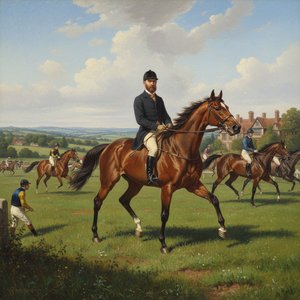
Horses at the Manger

- 59.0 x 89.0 cm

 Vis mere
Giclée / Kunsttryk
Giclée- eller lærredstryk i museumskvalitet med hurtig produktion og fleksible muligheder for finish. ( Køb håndmalet maleri Skift til digitalt billede)




P118B Dkr10

P118H Dkr10

P118W Dkr10

P438Z Dkr10

P508JH Dkr12

P508YH Dkr12

P805H Dkr10

P805Z Dkr10

P919BZ Dkr10

P919G Dkr10

P919XJ Dkr10

P959ZH Dkr10

P968JZ Dkr12

W106C Dkr8

W218G Dkr10

W218JH Dkr8

W218Y Dkr10

W307PJ Dkr10

W316G Dkr10

W316PJ Dkr8

W316Y Dkr10

W398PJ Dkr8

W4111J Dkr10

W500HY Dkr15

W500JH Dkr15

W692G Dkr12

W849H Dkr8

W940BG Dkr15

W953PJ Dkr8




Vælg mellem vores forudindstillede størrelser, der matcher kunstværkets originale proportioner.

Indtast den bredde og højde, du har brug for, så det passer til din ramme eller din væg. Et print kan kun beskæres, aldrig gøres større end selve billedet, så en størrelse med et andet format vil medføre, at dele af motivet går tabt. Vi sender dig en digital mockup til godkendelse, før vi printer noget. Billedet vist på denne side viser ikke den faktiske beskæring — det er kun mockuppen, der gør.
Verdensomspændende levering () på 2 uger i stedet for de sædvanlige 4/5 uger. (1 november)

Gratis ekspresforsendelse til hele verden

Lærred af linned i høj kvalitet

Fuld transportforsikring

Garanti for refusion af told og importafgifter

Garanti for præcis farvegengivelse

100 dages returret ved fabrikationsfejl

100% fuld returret

Mængderabat ved flere køb
 Glasmulighed er kun tilgængelig i størrelser under 110 cm

Horses at the Manger
Giclée / Kunsttryk
Størrelse på reproduktion
-


Samlet pris
Dkr 538
Kunstnerbiografi
The Legacy of John Frederick Herring II: A Master of the Equestrian Spirit
In the grand tapestry of British art history, few names evoke the rhythmic pulse of the Victorian countryside as vividly as John Frederick Herring II. Born in 1820 in Chelmsford, Essex, Herring emerged not merely as a painter, but as a chronicler of an era defined by the elegance of the horse and the pastoral serenity of the English landscape. His artistic lineage is one of profound importance; he was the scion of a celebrated tradition, having been raised under the watchful eye and expert tutelage of his father, John Frederick Herring Sr. This early immersion in the nuances of equine anatomy and the dynamics of motion instilled in him a lifelong devotion to capturing the very essence of animal vitality—a passion that would eventually elevate him to the heights of nineteenth-century fame.
Herring’s development was marked by a seamless blend of inherited tradition and formal academic rigor. While his father provided the foundational language of the equestrian genre, Herring sought to expand this vocabulary through his studies at the Royal Academy in London. Here, he moved beyond simple documentation to embrace a more sophisticated approach to light, texture, and atmosphere. His work began to bridge the gap between the specialized niche of sporting art and the broader, more emotive realms of Romantic landscape painting. This evolution allowed him to present horses not just as subjects of athletic prowess, and racing, but as integral components of a living, breathing ecosystem.
The Art of Motion and the English Landscape
What truly distinguishes Herring’s oeuvre is his unparalleled ability to render the tension and grace of movement. Whether depicting the thundering hooves of a racehorse or the quiet, muscular repose of carriage horses in a courtyard, his canvases possess an unmistakable energy. In masterpieces such as “The Royal Mail Coach” (1841), one observes a masterful command over composition, where the drama of travel and social status is anchored by the meticulous realism of the animals and their surroundings. He did not merely paint horses; he painted the weight of their breath, the subtle sheen of their coats, and the way they interacted with the rugged textures of the English earth.
Beyond the spectacle of the hunt and the race, Herring found profound beauty in the quietude of rural life. His landscapes often served as a stage for the pastoral rhythms of the Victorian age, featuring:
- Serene Pastoral Scenes: Works like “Farmyard with Saddlebacks” utilize earthy tones and textured brushwork to evoke the rustic charm of agricultural existence.
- Naturalistic Studies: His ability to capture tranquil moments, such as in “Ducks and Ducklings,” demonstrates a sensitivity to the delicate balance of nature within lush, verdant meadows.
- Architectural Integration: His landscapes frequently incorporated churches and village structures, reflecting the era's deep-seated connection between the land, community, and spiritual morality.
Historical Significance and Enduring Influence
The significance of John Frederick Herring II extends far beyond the confines of sporting circles. During his lifetime, his work resonated with a wide spectrum of society, earning him prestigious commissions from figures as notable as Queen Victoria. This level of patronage underscores his role in defining the visual identity of the Victorian era—a period that sought to find beauty in both the industriousness of progress and the nostalgic stability of the countryside. His paintings acted as windows into a world where the boundaries between human endeavor and animal instinct were harmoniously intertwined.
As we look back upon his prolific career, which spanned until his death in 1907, we see an artist who successfully navigated the transition from the strictures of classical realism to the more emotive sensibilities of the late nineteenth century. His dedication to anatomical precision and atmospheric depth ensured that his work remained timeless. Today, Herring’s legacy lives on through his ability to freeze moments of profound vitality, offering modern viewers a poignant connection to the lost rhythms of a bygone British landscape.

John Frederick Herring Ii
1820 - 1907
Kort om kunstneren
- Artistic Movement Or Style: Romanticism
- Artists Or Movements Influenced By This Artist: ['Victorian Art Styles']
- Artists Who Influenced This Artist: ['John Frederick Herring Sr.']
- Date Of Birth: 1820
- Date Of Death: 1907
- Full Name: John Frederick Herring II
- Nationality: British
- Notable Artworks:
- The Royal Mail Coach on the Road
- Grey carriage horses in the coachyard at Putteridge Bury, Hertfordshire
- Farmyard Scene
- Place Of Birth: Cheltenham, Gloucestershire
Relaterede artikler

Romantikkens Landskaber: Top 10 Malerier der Definerede En Æra | OriginalUniqueArt
Oplev romantikkens storhedstid! Dyk ned i top 10 landskabsmalerier af Caspar David Friedrich, Turner & Constable. Historiske fortællinger og museumskvalitets reproduktioner på OriginalUniqueArt.com – find din inspiration til væggen her!

John Constables 25 Mesterværker: En Hyldest til Englands Landskabskunst | OriginalUniqueArt.com
Oplev John Constables 25 mest ikoniske værker! Fordyb dig i engelsk romantik, betagende landskaber og tidløs skønhed. Køb museumskvalitets reproduktioner af 'The Hay Wain' & mere på OriginalUniqueArt.com – inspiration til dit hjem.

John Singer Sargent: Top 25 Mesterværker – Portrætter & Historier | OriginalUniqueArt.dk
Oplev John Singer Sargents 25 mest ikoniske malerier – fra elegante portrætter til impressionistiske mesterværker. Lær historierne bag kunsten & find inspiration til din indretning med OriginalUniqueArt.com. Udforsk samlingen online!

John Frederick Kensett: Luminosity, Landscape & the American Identity
Explore the luminous landscapes of John Frederick Kensett, a master of Luminism and key figure in the Hudson River School. Discover his serene paintings & enduring legacy with OriginalUniqueArt.
John Frederick Herring Sr.: Equestrian Mastery & the Rise of Sporting Art in Victorian England
Explore the life & work of John Frederick Herring Sr., a leading Victorian equestrian artist. Discover his masterpieces, patronage, techniques & investment potential. Expert insights for collectors.