

 Se i rummet
 Send
Send Del
Del
 Detaljer
 Studieguide til kunstværker

 Download
 Lignende værker
 Røntgenundersøgelse
 Se diasshow
 Statistik
The Loyal Friend
 Contemporary Realism
 124.0 x 119.0 cm
 Læs mere
Kunstværket vist på denne side er beskyttet af ophavsretsloven, hvilket betyder, at vi ikke lovligt kan skabe eller sælge en identisk reproduktion. Denne beskyttelse håndhæves i henhold til internationale aftaler som f.eks. den Bernerkonventionen og af nationale love, herunder de bestemmelser, der er fastlagt i Amerikansk ophavsretslov - Titel 17.
Denne metode overholder fuldt ud ophavsretsreglerne, da den ikke indebærer kopiering eller duplikering af det beskyttede kunstværk. I stedet er der tale om en kreativ nytolkning – et nyt maleri, som er inspireret af det oprindelige, men ikke identisk med det.
Giclée / Kunsttryk
Giclée- eller lærredstryk i museumskvalitet med hurtig produktion og fleksible muligheder for finish. ( Bestil håndmalet reproduktion Skift til digitalt billede)




P118B Dkr10

P118H Dkr10

P118W Dkr10

P438Z Dkr10

P508JH Dkr12

P508YH Dkr12

P805H Dkr10

P805Z Dkr10

P919BZ Dkr10

P919G Dkr10

P919XJ Dkr10

P959ZH Dkr10

P968JZ Dkr12

W106C Dkr8

W218G Dkr10

W218JH Dkr8

W218Y Dkr10

W307PJ Dkr10

W316G Dkr10

W316PJ Dkr8

W316Y Dkr10

W398PJ Dkr8

W4111J Dkr10

W500HY Dkr15

W500JH Dkr15

W692G Dkr12

W849H Dkr8

W940BG Dkr15

W953PJ Dkr8




Vælg mellem vores forudindstillede størrelser, der matcher kunstværkets originale proportioner.

Indtast den bredde og højde, du har brug for, så det passer til din ramme eller din væg. Et print kan kun beskæres, aldrig gøres større end billedet, så en størrelse med en anden form vil miste en del af motivet. Vi sender dig en digital mockup til godkendelse, før vi printer noget. Billedet vist på denne side viser ikke den faktiske beskæring — det er kun mockuppen, der gør.
Verdensomspændende levering () på 2 uger i stedet for de sædvanlige 4/5 uger. (25 oktober)

Gratis ekspresforsendelse til hele verden

Lærred af linned i høj kvalitet

Komplet transportforsikring

Garanti for refusion af told og importafgifter

Garanti for autentisk farvegengivelse

100 dages returret ved fabrikationsfejl

100% fuld returret

Mængderabat ved flere køb
 Glasmulighed er kun tilgængelig i størrelser under 110 cm

The Loyal Friend
Giclée / Kunsttryk
Reproduktionsstørrelse
-


Samlet pris
Dkr 531
A Coastal Reverie: Exploring John Bellany’s ‘The Loyal Friend’
- Subject & Composition: ‘The Loyal Friend’ presents a bustling harbor scene, alive with the energy of maritime life. Numerous boats – varying in size and form – dominate the canvas, nestled alongside suggestions of buildings and lush foliage that recede into the background. Bellany masterfully employs a layered composition, creating depth through overlapping forms and a dynamic interplay between foreground and distance. The eye is invited to wander across the scene, absorbing the details of this vibrant coastal world.
- Style & Technique: This painting exemplifies Bellany’s signature expressive realism, leaning towards impressionistic tendencies. He prioritizes capturing the *feeling* of a place over photographic accuracy. The application of oil paint is notably impasto – thick, textured layers that create a tactile surface and emphasize the physicality of the medium. Loose, gestural brushstrokes contribute to the painting’s energetic quality, conveying movement and light with remarkable skill. This technique isn't about precise lines; it's about building form and atmosphere through color and texture.
The Artist & His Scottish Roots
- Bellany’s Heritage: John Bellany (1942-2013) was a pivotal figure in the renaissance of Scottish art. Born into a family deeply connected to the sea – his father and grandfather were both fishermen – Bellany's artistic vision was profoundly shaped by his upbringing in Port Seton and Eyemouth. This personal connection to coastal life is palpable in ‘The Loyal Friend’. His early studies at Edinburgh College of Art, alongside contemporaries like Alan Bold and Alexander Moffat, fostered a spirit of innovation and a desire to reconnect with Scottish artistic traditions.
- Influences & Development: Bellany’s journey took him through Impressionism and towards the powerful influence of northern European masters. He skillfully blended these influences with his own uniquely Scottish perspective, resulting in a style that is both evocative and deeply personal. His travels across Europe broadened his artistic horizons, allowing him to synthesize diverse traditions into a cohesive visual language.
Symbolism & Emotional Resonance
- Maritime Symbolism: The boats themselves are central to the painting’s symbolism. They represent not only maritime activity and livelihood but also a deeper connection to the sea – a source of both sustenance and mystery. The ‘loyal friend’ in the title could refer to the steadfastness of these vessels, or perhaps to the enduring relationship between people and the ocean.
- Evoking Coastal Life: Beyond its literal depiction, ‘The Loyal Friend’ evokes a powerful sense of place – the sights, sounds, and smells of a working harbor. The painting radiates warmth and energy, hinting at the vibrant community that thrives along the coast. It's a nostalgic glimpse into a way of life deeply rooted in tradition.
A Piece for Your Space
- Interior Harmony: With its rich colors and dynamic composition, ‘The Loyal Friend’ would serve as a striking focal point in a variety of interior settings. Its coastal theme lends itself well to beach houses, sunrooms, or any space where you wish to evoke a sense of tranquility and connection to nature.
- Dimensions & Impact: Measuring 124 x 119 cm, this substantial canvas commands attention without overwhelming the room. The impasto technique adds textural interest, creating a visually engaging experience that invites closer inspection. A high-quality reproduction of ‘The Loyal Friend’ will capture the essence of Bellany's vision and bring a touch of Scottish coastal charm to your home.
Spørgsmål & svar
Hvorfor er ophavsretsstatus for "The Loyal Friend" som den er?
Ophavsretsstatus for "The Loyal Friend" - stadig beskyttet af ophavsret - følger af kunstnerens død i 2013.
Hvilken kunstner og hvilken stil står bag "The Loyal Friend"?
"The Loyal Friend" blev skabt af John Bellany i Contemporary Realism-stil. Kunstneren og stilen identificerer værkets tradition.
Hvad er lysstyrken i "The Loyal Friend" af John Bellany?
"The Loyal Friend" af John Bellany har en luminans på Gentle Luminance. Luminans beskriver, hvor meget lys farverne ser ud til at reflektere.
Om kunstneren
The Soul of the Firth: The Life and Vision of John Bellany
Born in 1942 amidst the salt-sprayed fishing traditions of Port Seton, near Edinburgh, John Bellany CBE, RA emerged as one of Scotland’s most profound and evocative visual storytellers. His identity was inextricably linked to the rhythms of the Firth of Forth; as the grandson and son of fishermen, the sea was not merely a landscape to him, but a living, breathing character that permeated his entire creative consciousness. This deep-rooted connection to the maritime world provided the foundational vocabulary for an oeuvre that would later masterfully blend the visceral realities of coastal life with a haunting, surrealist symbolism.
Bellany’s artistic journey was shaped by rigorous academic exploration and a transformative encounter with European modernism. During his formative years at the Edinburgh College of Art, he forged lasting bonds with contemporaries such as Alan Bold and Alexander Moffat, contributing to a movement dedicated to revitalizing Scottish art through a blend of local heritage and international influence. A pivotal moment in his development occurred during his travels to Europe, where the monumental war triptychs of Otto Dix in Dresden left an indelible mark on his psyche. This exposure to German Expressionism encouraged Bellany to confront the darker, more difficult truths of the human condition, teaching him how to utilize distorted forms and heavy textures to articulate themes of guilt, mortality, and original sin.
Symbolism, Sea, and the Human Condition
The brilliance of Bellany’s work lies in his ability to weave personal mythology into the fabric of his paintings. His compositions are often vast and complex, acting as dreamscapes where the boundaries between the natural world and the psychological realm dissolve. In his earlier works from the 1960s and 1970s, one finds a preoccupation with the darker aspects of existence—sex, death, and the inherent flaws of humanity. He utilized a rich, symbolic language derived from both his maritime upbringing and religious iconography, often populating his canvases with motifs such as:
- Coastal Elements: Shellfish, nets, and the turbulent North Sea which serve as metaphors for life's unpredictability.
- Religious Imagery: Themes of sin and redemption that ground his more surrealist impulses in a sense of ancient struggle.
- Personal Totems: Autobiographical symbols that reflect his own physical and spiritual journey.
As his life progressed, particularly following a significant health battle and a liver transplant in 1988, a palpable shift occurred within his palette and temperament. The heavy, brooding shadows of his youth began to give way to a more luminous, optimistic energy. While the visceral textures of impasto and the expressive realism of his technique remained, the narrative arc of his work moved toward a celebration of life and resilience, proving that even within the most turbulent seas, light can find its way through.
Legacy and Artistic Significance
John Bellany’s contribution to British art history is marked by his ability to elevate regional Scottish identity to a universal stage. His election to the Royal Academy in 1973 served as a formal recognition of his mastery and his role in shaping the trajectory of modern Scottish painting. Through his teaching career and his prolific output, he mentored generations and expanded the boundaries of what contemporary figurative art could achieve.
Today, his legacy is preserved in the permanent collections of prestigious institutions such as the Tate and the National Galleries of Scotland. He remains a titan of 20th-century art, remembered not just for his technical prowess or his mastery of watercolor and oil, but for his courage to look into the depths of the human soul and find the profound beauty hidden within the struggle. His work continues to resonate as a powerful testament to the enduring connection between the land, the sea, and the indomitable spirit of man.

John Bellany
1942 - 2013
Hurtige fakta
- Full Name: John Bellany CBE RA
- Nationality: Scottish
- Date Of Birth: 1942
- Date Of Death: 2013
- Place Of Birth: Port Seton, Scotland
- Notable Artworks:
- The Loyal Friend
- Old Woman
- Artistic Movement Or Style: Expressionism; Surrealism
- Artists Who Influenced This Artist:
- Otto Dix
- Alan Davie
- Artists Or Movements Influenced By This Artist: ['Impressionism']
Relaterede artikler
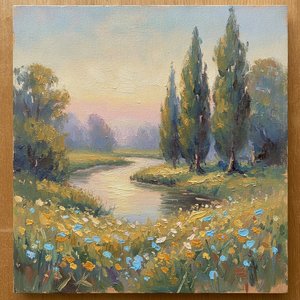
The Timeless Charm of Oil on Board: Reimagining Texture and Light through the Impressionist Lens
Discover the profound intimacy of oil on panel. Explore how Impressionist masters used rigid supports to capture light, texture, and impasto depth through exquisite, handmade oil reproductions for discerning collectors.
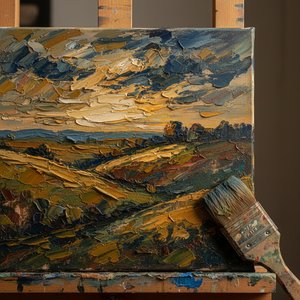
The Timeless Beauty of Oil on Canvas: A Masterclass in Texture, Impasto, and Artistic Mastery
Discover the profound allure of oil on canvas. Explore the mastery of impasto textures, the science of pigment longevity, and expert guides to selecting museum-quality reproductions that elevate your collection with timeless elegance and tactile depth.

John Singer Sargent: Top 25 Mesterværker – Portrætter & Historier | OriginalUniqueArt.dk
Oplev John Singer Sargents 25 mest ikoniske malerier – fra elegante portrætter til impressionistiske mesterværker. Lær historierne bag kunsten & find inspiration til din indretning med OriginalUniqueArt.com. Udforsk samlingen online!

The Power of Texture: Exploring Impasto and Plaster in the World's Greatest Masterpieces
Explore the profound impact of texture in art history. Discover how impasto and plaster techniques define masterpieces by Van Gogh and Cézanne, adding emotional depth and physical dimension to the world's most iconic oil paintings.

John Constables 25 Mesterværker: En Hyldest til Englands Landskabskunst | OriginalUniqueArt.com
Oplev John Constables 25 mest ikoniske værker! Fordyb dig i engelsk romantik, betagende landskaber og tidløs skønhed. Køb museumskvalitets reproduktioner af 'The Hay Wain' & mere på OriginalUniqueArt.com – inspiration til dit hjem.