
 Se i rummet
 Del som kort
 Del
Del
 Detaljer
 Guide
Guide

 Download
 Lignende værker
 Røntgenundersøgelse
 Diasshow
 Q&A
Q&A Statistikker
Self Portrait

- 33.0 x 31.0 cm


 Vis mere
Giclée / Kunsttryk
Giclée- eller lærredstryk i museumskvalitet med hurtig produktion og fleksible muligheder for finish. ( Køb håndmalet maleri Skift til digitalt billede)




P118B Dkr10

P118H Dkr10

P118W Dkr10

P438Z Dkr10

P508JH Dkr12

P508YH Dkr12

P805H Dkr10

P805Z Dkr10

P919BZ Dkr10

P919G Dkr10

P919XJ Dkr10

P959ZH Dkr10

P968JZ Dkr12

W106C Dkr8

W218G Dkr10

W218JH Dkr8

W218Y Dkr10

W307PJ Dkr10

W316G Dkr10

W316PJ Dkr8

W316Y Dkr10

W398PJ Dkr8

W4111J Dkr10

W500HY Dkr15

W500JH Dkr15

W692G Dkr12

W849H Dkr8

W940BG Dkr15

W953PJ Dkr8




Vælg mellem vores forudindstillede størrelser, der matcher kunstværkets originale proportioner.

Indtast den bredde og højde, du har brug for, så det passer til din ramme eller din væg. Et print kan kun beskæres, aldrig gøres større end selve billedet, så en størrelse med et andet format vil medføre, at dele af motivet går tabt. Vi sender dig en digital mockup til godkendelse, før vi printer noget. Billedet vist på denne side viser ikke den faktiske beskæring — det er kun mockuppen, der gør.
Verdensomspændende levering () på 2 uger i stedet for de sædvanlige 4/5 uger. (2 november)

Gratis ekspresforsendelse til hele verden

Lærred af linned i høj kvalitet

Fuld transportforsikring

Garanti for refusion af told og importafgifter

Garanti for præcis farvegengivelse

100 dages returret ved fabrikationsfejl

100% fuld returret

Mængderabat ved flere køb
 Glasmulighed er kun tilgængelig i størrelser under 110 cm

Self Portrait
Giclée / Kunsttryk
Størrelse på reproduktion
-


Samlet pris
Dkr 538
A Window into the Soul: Johann Zoffany’s “Self Portrait as David with the Head of Goliath”
Johann Zoffany's "Self Portrait as David with the Head of Goliath," painted in 1805, is far more than a simple depiction of an artist contemplating his own likeness. It’s a meticulously constructed tableau vivant—a staged scene brimming with classical allusion, theatricality, and a subtle, almost unsettling, exploration of identity and artistic ambition. This remarkable work, housed within the Google Art Project, offers a captivating glimpse into the mind of a master portraitist navigating the complex social landscape of 18th-century England.
Zoffany’s genius lay in his ability to seamlessly blend historical references with contemporary life. The painting immediately draws the eye to the central figure, a man strikingly resembling Zoffany himself, posed dramatically as David, victorious over Goliath. However, this isn't a straightforward homage to Michelangelo’s iconic sculpture; rather, it’s a carefully orchestrated layering of symbolism. The head of Goliath, prominently displayed on a table beside him, is not merely a prop but a deliberate reference to the biblical narrative—a potent emblem of triumph and artistic skill. The inclusion of this severed head speaks volumes about Zoffany's own aspirations: he sought recognition as a master craftsman, capable of capturing both the physical likeness and the spirit of his subjects.
The Stage is Set: Context and Composition
Beyond the central figure, the composition unfolds like a miniature theatrical scene. Two statues—one depicting Venus and the other Diana—stand sentinel on either side, adding an element of classical grace and subtly elevating the entire arrangement. These figures, reminiscent of Roman sculptures, serve as silent witnesses to Zoffany’s self-portrait, grounding the scene in antiquity while simultaneously suggesting a dialogue between past and present. The carefully chosen setting – a richly furnished room with a vibrant tapestry and a collection of intriguing objects—further enhances this sense of layered meaning. The inclusion of a violoncello, a symbol of musical refinement and intellectualism, hints at Zoffany’s own appreciation for the arts and his desire to be associated with the elite circles of London society.
Zoffany's meticulous attention to detail is evident in every aspect of the painting. The lighting, expertly rendered, creates a sense of depth and drama, drawing the viewer into the scene. The textures—the velvet upholstery, the polished wood of the furniture, the rough surface of the stone statues—are all depicted with remarkable realism. This commitment to accuracy reflects Zoffany’s training as a decorative painter and his understanding of how to create convincing illusions of space and form.
A Reflection on Identity: The Artist's Gaze
Perhaps the most compelling aspect of “Self Portrait as David with the Head of Goliath” is its subtle exploration of identity. Zoffany isn’t simply portraying himself; he’s presenting a carefully constructed image of himself—an artist, a scholar, and a man of refined taste. The direct gaze of his self-portrait invites the viewer to engage in a silent dialogue, questioning the nature of representation and the relationship between art and reality. The inclusion of the severed head of Goliath can be interpreted as a symbolic challenge – a reminder that artistic success often requires confronting difficult truths and overcoming formidable obstacles.
Furthermore, the painting’s creation occurred during a period of significant social and political change in England. The rise of the middle class, the burgeoning interest in classical art and literature, and the expansion of the British Empire all contributed to a climate of intellectual ferment. Zoffany's work reflects these shifting values, capturing the spirit of an era defined by ambition, innovation, and a fascination with the past.
Collecting the Echoes: Reproduction and Legacy
Reproductions of “Self Portrait as David with the Head of Goliath” offer a remarkable opportunity to experience the richness and complexity of Zoffany’s masterpiece. Whether displayed in a grand salon or a smaller study, this painting continues to captivate viewers with its intricate details, evocative symbolism, and profound insights into the human condition. It serves as a testament to the enduring power of art to illuminate our understanding of ourselves and the world around us.
Spørgsmål og svar
Kan man se et diasshow af "Self Portrait" af Johan Zoffany?
Se diaporamabillederne af "Self Portrait" på værkets side Billedserie.
Hvilken farve dominerer kompositionen i "Self Portrait" af Johan Zoffany?
Black (#0d0d0b) er den dominerende farve i "Self Portrait" af Johan Zoffany.
Er "Self Portrait" fri for ophavsret?
"Self Portrait" af Johan Zoffany er i det offentlige domæne – ophavsretten er udløbet. Denne status bestemmer, hvordan billedet af værket må reproduceres.
Kunstnerbiografi
Johan Zoffany: Et Vindue Ind i Det Britiske Samfund
Johan Zoffany, født Johannes Josephus Zaufallij i Freiburg i 1733, var en tysk-født maler, der opnåede international anerkendelse primært i England og Italien. Hans tidlige liv forbliver dog noget sparsomt beskrevet, men det er kendt, at han modtog kunstnerisk uddannelse fra en ung alder. Han begyndte sin karriere som elev hos en skulptør, muligvis Melchior Paulus i Ellwangen, før han studerede under Martin Speer i Regensburg. Denne tidlige træning lagde grundlaget for hans senere succes og evne til at fange essensen af menneskelige interaktioner.
I 1750 rejste Zoffany til Rom, hvor han blev optaget i atelieret hos Agostino Masucci – en italiensk mester kendt for sin dybe forståelse af lys og farve. Her finpudsede han sine færdigheder indenfor den italienske kunsttradition. Senere, i 1760, flyttede han til England, hvor han i første omgang tjente som dekorationsmaler for ure fremstillet af Stephen Rimbault. Denne periode markerede et skelsætningspunkt, da han begyndte at opbygge forbindelser og vinde anerkendelse i London’s kunstscene.
Royal Patronage og Kunstnerisk Udvikling
Zoffany fangede hurtigt opmærksomheden hos Kong Georg III og Dronning Charlotte, og blev dermed en foretrukken portrætmaler for den kongelige familie. Hans evne til at skildre uformelle øjeblikke – som det ikoniske billede af Queen Charlotte and Her Two Eldest Children (1765) – adskilte ham fra mere formelle hofmalere. Han var også populær blandt den østrigske kejserlige familie og blev udnævnt til baron i Det Hellige Romerske Rige i 1776 af Kejserinde Maria Theresa.
Mesteren af ‘Samtalebilleder’
Zoffany blev berømt for sine “samtalebilleder,” eller *conversazione* – uformelle gruppebilleder, der skildrer sociale sammenkomster. Han udmærkede sig ved at fange personligheder og interaktioner indenfor disse scener, ofte med prominente figurer fra samfundet, teatret og litteraturen. Hans værker som The Cope Family (1775) illustrerer denne stil, og giver et indblik i livet for hans kunder. Disse billeder er ikke blot portrætter; de er miniature-scener af det sociale liv, der fanger øjeblikke af samtale, latter og intimitet.
Vigtigste Resultater og Bemærkelsesværdige Værker
- Tribuna of the Uffizi (1772–1778): Hans mest berømte værk, en minutiøst detaljeret gengivelse af Uffizi-galleriet i Firenze. Dette billede er et mesterværk inden for arkitektonisk præcision og historisk dokumentation.
- Dr William Hunter Teaching Anatomy at the Royal Academy (1779): Et fascinerende portræt af medicinsk uddannelse og videnskabelig undersøgelse, der giver et unikt indblik i den akademiske verden på det tidspunkt.
- George III (1771): Et kongeligt portræt, der viser Kong Georgs magt og værdighed.
- Colonel Mordaunt's Cock Match (1784–1786): En livlig gengivelse af koloniale forhold i Indien, der fanger en unik kulturel begivenhed.
År i Indien og Senere Liv
Fra 1783 til 1789 boede Zoffany i Indien, hvor han malede portrætter af fremtrædende figurer som Warren Hastings og Asaf-ud-Daula. Hans oplevelser der bidrog til hans kunstneriske stil og emnevalg. En bemærkelsesværdig historie fra denne periode handler om et skibbrud i Andamanerne, hvor overlevende var tvunget til at anvende ekstreme forholdsregler for at overleve.
Indflydelser og Arv
Zoffany’s værker afspejler indflydelse fra både tysk præcision og italiensk kunst. Han blev påvirket af kunstnere som Agostino Masucci og trak inspiration fra den barokke tradition. Hans stil, derimod, har haft en betydelig indflydelse på samtidige kunstnere, der var interesserede i portrætter og social kommentar. Han broderede kunstneriske traditioner sammen og efterlod et vedvarende aftryk på 1700-tallets kunst.
Historisk Betydning
Johan Zoffany’s malerier giver værdifulde indsigter i det sociale skikke, intellektuelle livet og de kulturelle værdier i hans tid. Hans “samtalebilleder” tilbyder intime portrætter af prominente individer og deres verden, mens hans gengivelser af Indien bidrager til vores forståelse af kolonihistorien. Han er en betydningsfuld figur i kunsthistorien, der fejres for sin tekniske dygtighed, sine skarpe observationer og hans unikke kunstneriske vision.

Johan Zoffany
1733 - 1810 , Tyskland
Kort om kunstneren
- Artistic Movement Or Style: Neoklassisk, Realisme
- Artists Or Movements Influenced By This Artist: ['Zoffanis stil påvirkede senere kunstnere']
- Artists Who Influenced This Artist:
- Agostino Masucci
- Martin Speer
- Date Of Birth: 13. marts 1733
- Date Of Death: 11. nov. 1810
- Full Name: Johann Zoffany
- Nationality: Tysk
- Notable Artworks:
- Tribuna Uffizi
- Dr. William Hunter
- Kong Georg III
- Colonel Mordaunt
- Place Of Birth: Frankfurt, Tyskland
Relaterede artikler
Neo-klassicismens Mestre: Top 10 Kunstværker der Definerede en Epoke | OriginalUniqueArt.dk
Oplev neo-klassicismens storhedstid! Udforsk 10 ikoniske kunstværker af David, Ingres & Canova. Lær historierne bag disse mesterværker og find inspiration til din boligindretning med museumskvalitets reproduktioner på OriginalUniqueArt.com
The Enduring Legacy of Classicism: Principles, Evolution & Influence in Western Art
Explore the enduring legacy of Classicism in Western art! Discover its historical context, key principles, iconic masterpieces & lasting influence. Learn about Renaissance and Neoclassical movements with OriginalUniqueArt.
Reflecting the Self: A History of Portraiture & Psychological Insight
Explore the fascinating history of self-portraiture from Renaissance masters like Dürer & Rembrandt to modern interpretations. Discover the psychological insights and artistic techniques behind these iconic works. Expert analysis for art enthusiasts.
Timeless Resonance: Exploring Classic Vibe in Art – A Historical & Aesthetic Analysis
Explore the rich history & enduring aesthetic of Classicism art! Discover key movements, iconic artists like Raphael & David, and its lasting influence on Western art. Deepen your appreciation today.
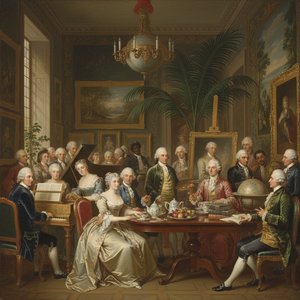
Johann Zoffany: Capturing Georgian Society with Brushstrokes of Cosmopolitan Flair
Explore the captivating world of Johann Zoffany, master portraitist of Georgian society. Discover his unique 'conversation pieces,' imperial commissions & lasting legacy. A guide for discerning collectors.


