

 Se i rummet
 Del som kort
 Del
Del
 Detaljer
 Guide
Guide

 Download
 Lignende værker
 Røntgenundersøgelse
 Diasshow
 Statistikker
Design for Funerary Monument
 Akryl på lærred
- Vægkunst
- Neoclassical Style
 17.0 x 10.0 cm
 Yale Center for British Art
 Vis mere
Giclée / Kunsttryk
Giclée- eller lærredstryk i museumskvalitet med hurtig produktion og fleksible muligheder for finish. ( Køb håndmalet maleri Skift til digitalt billede)




P118B Dkr10

P118H Dkr10

P118W Dkr10

P438Z Dkr10

P508JH Dkr12

P508YH Dkr12

P805H Dkr10

P805Z Dkr10

P919BZ Dkr10

P919G Dkr10

P919XJ Dkr10

P959ZH Dkr10

P968JZ Dkr12

W106C Dkr8

W218G Dkr10

W218JH Dkr8

W218Y Dkr10

W307PJ Dkr10

W316G Dkr10

W316PJ Dkr8

W316Y Dkr10

W398PJ Dkr8

W4111J Dkr10

W500HY Dkr15

W500JH Dkr15

W692G Dkr12

W849H Dkr8

W940BG Dkr15

W953PJ Dkr8




Vælg mellem vores forudindstillede størrelser, der matcher kunstværkets originale proportioner.

Indtast den bredde og højde, du har brug for, så det passer til din ramme eller din væg. Et print kan kun beskæres, aldrig gøres større end selve billedet, så en størrelse med et andet format vil medføre, at dele af motivet går tabt. Vi sender dig en digital mockup til godkendelse, før vi printer noget. Billedet vist på denne side viser ikke den faktiske beskæring — det er kun mockuppen, der gør.
Verdensomspændende levering () på 2 uger i stedet for de sædvanlige 4/5 uger. (27 oktober)

Gratis ekspresforsendelse til hele verden

Lærred af linned i høj kvalitet

Fuld transportforsikring

Garanti for refusion af told og importafgifter

Garanti for præcis farvegengivelse

100 dages returret ved fabrikationsfejl

100% fuld returret

Mængderabat ved flere køb
 Glasmulighed er kun tilgængelig i størrelser under 110 cm

Design for Funerary Monument
Giclée / Kunsttryk
Størrelse på reproduktion
-


Samlet pris
Dkr 532
Design for Funerary Monument – En Fascinerende Kontrast mellem Stil og Symbolik
Johann Eckstein var en bemærkelsesværdigt alsidig kunstner i det 18. århundrede, der udviste talent inden for flere discipliner: portrætmaleri, pastelkunst, miniaturkunst og gravering. Han blev født den 26. juni 1735 i Nancy, Frankrig, og var efterkommer af en familie med en betydelig kunstnerisk tradition – hvilket gav ham et solidt fundament til hans fremtidige karriere. Selvom detaljerne omkring hans formelle uddannelse forbliver noget vagt, vides det, at han modtog undervisning fra sin far, der også var maler, og senere fik stor gavn af vejledning fra Maurice Quentin de La Tour, en renommeret pastelkunstner kendt for sine udsøgte portrætter. Denne tidlige mentor gav Eckstein en dyb forståelse af teknikken – særligt evnen til at fange delikate detaljer og subtile udtryk – færdigheder der ville blive kendetegnende for hans distinkte stil. Hans flytning til Paris i 1760 markerede begyndelsen på hans fremmarch inden for kunstens kredse i hovedstaden, hvor han fortsatte med at udvikle sit arbejde og præsentere sig selv som en betydelig figur på kunstscenen.Kunstnerisk Stil og Teknik – En Refleksion over Klassicismen
Ecksteins kunststil var præget af klassicisme, hvilket manifesterede sig i hans fokus på klare linjer, symmetri og harmoniske proportioner. Han efterlignede ofte modeller fra antikken og søgte inspiration i idealerne om skønhed og orden. Hans brug af pastelteknik var særlig imponerende – han kunne skabe lysstyrke og dybde ved hjælp af et fint pulver af pigment på papir, hvilket gav hans værker en unik atmosfære og følelsesmæssig resonans. Eckstein anvendte omhyggelig detaljeret teknik til at gengive menneskelige ansigter og kroppe med stor præcision, hvilket var karakteristisk for klassicistens tendens til realistiske gengivelser af menneskelig anatomi. Hans arbejde blev udført på et stort antal forskellige projekter, hvor han anvendte både olie og pastelteknik.Historisk Kontekst og Symbolisme – Et Monument til Ære og Eftertragtning
Design for Funerary Monument udtrykker Ecksteins forståelse af den historiske kontekst omkring hans tid. Det klassicistiske monument var en vigtig kunstform i det 18. århundrede, hvor kunstnere ofte blev hyrtet til at skabe værker til offentlige bygninger og ceremonier. Dette projekt var særligt betydningsfuldt, fordi det skulle ære en person af høj status og udtrykke respekt for hans arv. Ecksteins brug af symbolik var subtil men effektiv – farverne og kompositionen blev nøje overvejet for at kommunikere bestemte følelser og ideer til publikummet. Det er sandsynligt, at monumentet skulle fremkalde følelser af ærbødighed og eftertragtning hos betragterne og tjene som en varig påmindelse om den person, han var tiltænkt.Emotionel Impact og Inspirerende Æstetik – Et Kunstværk til Eftertanke
Design for Funerary Monument er ikke blot et teknisk imponerende værk; det udtrykker også en dyb følelsesmæssig resonans hos betragteren. Ecksteins fokus på menneskelige ansigter og udtryk viser hans forståelse af psykologi og kunstens evne til at kommunikere følelser. Det klassicistiske monument er et eksempel på kunstens rolle i at formidle kulturelle værdier og ideer, hvilket fortsætter med at inspirere kunstnere og kunstelskere i dag. Dette arbejde kan være en fantastisk tilføjelse til enhver kunstsamling og fremkalde refleksion over menneskelighedens natur og kunstens evne til at fange essensen af det menneskelige øje. Det er et værk, der fortjener at blive udforsket nærmere og vurderet som en ægte klassiker inden for kunsthistorien.Spørgsmål og svar
Hvor kan jeg købe et digitalt billede af "Design for Funerary Monument" af Johann Eckstein?
Et digitalt billede af "Design for Funerary Monument" af Johann Eckstein kan købes på siden for Digitalt billede: et højopløseligt digitalt billeddownload.
Hvem er kunstneren bag "Design for Funerary Monument"?
Kunstneren bag "Design for Funerary Monument" er Johann Eckstein. Værket er katalogiseret under Johann Ecksteins navn.
Hvor stor er kontrasten i "Design for Funerary Monument" af Johann Eckstein?
Kontrastniveauet i "Design for Funerary Monument" af Johann Eckstein er Seren.
Kunstnerbiografi
A Life of Artistic Versatility
Johann Eckstein stands as a remarkable testament to the boundless versatility required of a master craftsman during the late 18th century. Born in Poppenroth, Germany, he was the son of Conrad Eckstein, a skilled woodcarver and cabinet-maker, an upbringing that likely laid the foundation for his profound technical dexterity. His artistic journey was one of constant movement and adaptation, spanning the grand courts of Europe and the burgeoning landscape of America. A true polymath of the visual arts, Eckstein’s talent was not confined to a single medium; his oeuvre encompassed the delicate precision of engraving, the emotive power of portraiture, the tactile grace of pastel artistry, and the monumental presence of sculpture.
His formal training began at the Nuremberg Academy of Arts under the guidance of Preissler, providing him with the classical grounding necessary to navigate the prestigious artistic circles of his era. This education prepared him for a career that would see him move from the vibrant art scene of London to the royal splendor of Prussia, and eventually to the shores of the United States. Whether working in wax, marble, or ink, Eckstein possessed an intellectual curiosity that allowed him to master diverse techniques, making him a rare figure capable of addressing both the intimate scale of a portrait and the architectural demands of a public monument.
From European Courts to the New World
The trajectory of Eckstein’s career was marked by significant royal patronage and international transitions. During his time in London between 1758 and 1765, he established himself through notable achievements, such as working on the relief for the monument to Roger Townshend in Westminster Abbey and receiving prestigious premiums from the Society of Arts for his Portland stone reliefs. His reputation soon caught the attention of Frederick the Great, whose invitation led Eckstein to the Prussian court. As the principal sculptor at Potsdam and Sans Souci, he executed works that defined the neoclassical aesthetic of the era, later continuing his service under Frederick William.
Eckstein’s influence extended into the realm of fine porcelain and commemorative art, as seen in his modeling for the Berlin porcelain factory and his creation of death masks and wax busts. However, his life took a dramatic turn when he sought a new beginning in America. Arriving in Philadelphia by November 1793, he brought with him a wealth of European tradition, becoming a founder member of the Philadelphia Academy. Despite the challenges of settling in a new country—a struggle he lamented in his later years—he continued to exhibit works ranging from equestrian figures of George Washington to instructional texts like The American Drawing Magazine. His final chapter took him to Havana, where he passed away after a life defined by an unrelenting pursuit of artistic excellence across continents.
Technical Mastery and Artistic Legacy
The essence of Eckstein’s work lies in his ability to blend meticulous detail with profound emotional resonance. In his drawings and engravings, such as the Design for Funerary Monument, one observes a signature style characterized by restrained emotion and a somber reflection on the human condition. His use of techniques like precise hatching and cross-hatching allowed him to render textures with exceptional skill, creating a sense of gravitas that invited quiet introspection from the viewer. This technical precision was equally evident in his sculptural endeavors, where he could transition seamlessly from the delicate modeling of wax portraits to the heavy, enduring medium of marble.
Eckstein’s legacy is not merely found in individual masterpieces but in his role as a bridge between the established traditions of Europe and the developing artistic identity of America. His ability to master various disciplines—sculpture, engraving, painting, and even instructional writing—demonstrates a breadth of talent that few of his contemporaries could match. Through his work, he captured the neoclassical preoccupation with idealized form and dignified emotion, leaving behind a body of work that reflects both the Enlightenment ideals of his time and the personal resilience of a wandering master.

Johann Eckstein
1735 - 1818 , Germany
Kort om kunstneren
- Artistic Movement Or Style: Neoclassical Sculpture
- Artists Who Influenced This Artist: ['Preissler']
- Full Name: Johann Eckstein
- Nationality: German
- Notable Artworks: ['Design for Funerary Monument']
- Place Of Birth: Poppenroth, Germany
- Date Of Birth: 1735
- Date Of Death: 1818
Relaterede artikler

The Enduring Form: Sculpture Across History, Technique & Emotional Resonance
Explore the rich history of sculpture with OriginalUniqueArt. Discover key techniques, influential artists & investment potential for discerning collectors. Expert insights into valuing and collecting timeless masterpieces.

The Enduring Form: Exploring Themes & Techniques in Sculpture Across Historical Periods
Explore the rich history of sculpture from ancient masterpieces to contemporary innovations. Discover key techniques, influential artists & investment potential for discerning art collectors.

Top 10 Bronzemesterværker: Kunsthistorien Ændret for Evigt | OriginalUniqueArt.dk
Oplev de 10 mest legendariske bronzemesterværker, der har formet kunsthistorien! Fra Rodin til Degas – lær historierne bag ikoniske skulpturer og find inspiration til din indretning. Køb museumskvalitets reproduktioner på OriginalUniqueArt.com.

Bronzeskulpturers Mestre: 10 Værker der Ændrede Kunsthistorien | OriginalUniqueArt
Oplev de 10 mest legendariske bronzeskulpturer, der har formet kunsthistorien! Fra Rodin til Vigeland – lær historierne bag mesterværkerne og find inspiration til din indretning. Køb museumskvalitets reproduktioner på OriginalUniqueArt.com.
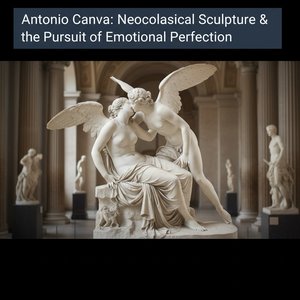
Antonio Canova: Neoclassical Sculpture & the Pursuit of Emotional Perfection
Explore the life & art of Antonio Canova, the greatest Neoclassical sculptor. Discover his masterpieces, innovative techniques, and lasting influence on fine art collecting. Expert insights for discerning investors.
