

 Se i rummet
 Send
Send Del
Del
 Detaljer
 Studieguide til kunstværker

 Download
 Lignende værker
 Røntgenundersøgelse
 Se diasshow
 Statistik
Katedralens Altarpiece
 Akryl på lærred
- Vægkunst
- Baroque Style
 1725
1725 5.0 x 66.0 cm
 Wawel Royal Castle
 Læs mere
Giclée / Kunsttryk
Giclée- eller lærredstryk i museumskvalitet med hurtig produktion og fleksible muligheder for finish. ( Bestil håndmalet reproduktion Skift til digitalt billede)




P118B Dkr10

P118H Dkr10

P118W Dkr10

P438Z Dkr10

P508JH Dkr12

P508YH Dkr12

P805H Dkr10

P805Z Dkr10

P919BZ Dkr10

P919G Dkr10

P919XJ Dkr10

P959ZH Dkr10

P968JZ Dkr12

W106C Dkr8

W218G Dkr10

W218JH Dkr8

W218Y Dkr10

W307PJ Dkr10

W316G Dkr10

W316PJ Dkr8

W316Y Dkr10

W398PJ Dkr8

W4111J Dkr10

W500HY Dkr15

W500JH Dkr15

W692G Dkr12

W849H Dkr8

W940BG Dkr15

W953PJ Dkr8




Vælg mellem vores forudindstillede størrelser, der matcher kunstværkets originale proportioner.

Indtast den bredde og højde, du har brug for, så det passer til din ramme eller din væg. Et print kan kun beskæres, aldrig gøres større end billedet, så en størrelse med en anden form vil miste en del af motivet. Vi sender dig en digital mockup til godkendelse, før vi printer noget. Billedet vist på denne side viser ikke den faktiske beskæring — det er kun mockuppen, der gør.
Verdensomspændende levering () på 2 uger i stedet for de sædvanlige 4/5 uger. (23 oktober)

Gratis ekspresforsendelse til hele verden

Lærred af linned i høj kvalitet

Komplet transportforsikring

Garanti for refusion af told og importafgifter

Garanti for autentisk farvegengivelse

100 dages returret ved fabrikationsfejl

100% fuld returret

Mængderabat ved flere køb
 Glasmulighed er kun tilgængelig i størrelser under 110 cm

Katedralens Altarpiece
Giclée / Kunsttryk
Reproduktionsstørrelse
-


Samlet pris
Dkr 532
Et Kalejdoskop af Detaljer: Johann Andreas Thelotts Palæ Altar
Johann Andreas Thelott var en dansk kunstner, hvis arbejde repræsenterer et eksempel på præcision og følsomhed inden for den danske Gouda æra. Han blev født i Augsburg i 1655 og døde i samme by i 1734, hvilket placerer ham midt i en periode præget af kulturel blomstring og kunstnerisk udvikling. Selvom han ikke var kendt for revolutionerende stilistiske eksperimenter, så var Thelotts fokus på detaljer og atmosfærisk gengivelse et udtryk for den tidens kunstneriske tradition – en tradition hvor observation og teknisk kunnen blev højt værdsat af Carel de Moor: En hollandsk mester i subtil detalje.- Kunststil: Thelotts stil var karakteriseret ved *fijnschilding*, hvilket betyder præcise detaljer og atmosfærisk effekt, hvor fokus lå på at skabe en realistisk gengivelse af verden omkring ham. Han var særligt dygtig til at fange lys og skygge, hvilket gav hans værker en følelse af dybde og ægthed. Hans teknik var præget af omhyggelig brug af oliefarve på lærred, hvilket tillod ham at opnå en ekstremt høj grad af detaljeringsniveau.
- Historisk Kontext: Maleriet blev skabt i midten af det 18. århundrede og repræsenterer derfor en periode hvor religiøs kunst var dominerende i Danmark og resten af Europa. Palæ Altarbilledet var et produkt af denne tid, hvor kirkerne søgte at udtrykke deres tro gennem imponerende dekorative værker. Det er vigtigt at bemærke, at Thelotts arbejde fandt sted under Carel de Moors vejledning, hvilket bidrog til hans kunstneriske udvikling og sikre hans stilens konservative karakter.
- Symbolisme: Maleriet indeholder flere symboliske elementer, der afspejler den religiøse ånd i tiden. Statuen på alteret repræsenterer Kristus eller en anden hellig figur og symboliserer håb og nåde. De tre vaser placeret omkring alteret kan ses som et udtryk for kristendommens tre sønner – Gud Fader, Gud Sønn og Gud Ånd – hvilket understreger den religiøse betydning af billedet.
- Emotionel Effekt: Maleriet fremkalder en følelse af ro og ærbødighed hos betragteren. De detaljerede dekorative elementer og den præcise gengivelse af lys og skygge skaber en atmosfære af mystik og kontemplation, hvilket inviterer publikum til at reflektere over religiøs tro og kunstens evne til at udtrykke dybe følelser.
Spørgsmål & svar
Hvilken farvepalette og hvilken følelse forener "Katedralens Altarpiece"?
"Katedralens Altarpiece" af Johann Andreas Thelott kombinerer en Neutrale nuancer farvepalet med en Fredfyldt tone.
Hvilket rum anbefales til "Katedralens Altarpiece" af Johann Andreas Thelott?
Det anbefalede rum til "Katedralens Altarpiece" af Johann Andreas Thelott er en Stue og opholdsrum. Forslaget kan naturligvis tilpasses din indretning.
Hvor gammel var Johann Andreas Thelott, da Katedralens Altarpiece blev skabt i 1725?
Johann Andreas Thelott var 70 år gammel, da vedkommende skabte "Katedralens Altarpiece" i 1725. Alderen er beregnet ud fra kunstnerens fødselsår, 1655.
Om kunstneren
Carel de Moor: A Dutch Master of Subtle Detail
Carel de Moor (the Younger), born on February 25, 1655, in Leiden, Netherlands, was a pivotal figure in the development of Dutch Golden Age painting. His life and career unfolded within a vibrant artistic landscape, shaped by the legacy of his father, Carel de Moor (the Elder), an ebony woodworker and art dealer, and influenced by masters like Gerrit Dou and Frans van Mieris. De Moor’s journey wasn't one of dramatic innovation but rather a meticulous refinement of existing techniques, earning him recognition as a master of *fijnschilding* – a style characterized by subtle details, atmospheric effects, and a quiet realism. He stands as a testament to the enduring power of observation and skillful execution within the Dutch artistic tradition.Early Training and Influences
De Moor’s early education was deeply rooted in his family's trade and artistic connections. His father, a skilled craftsman and art dealer, exposed him to the world of art from a young age. Recognizing his son’s innate talent for drawing, he sent Carel to Gerrit Dou (1613–75), a renowned Leiden master known for his atmospheric effects and meticulous rendering of textures. This early mentorship instilled in De Moor a deep appreciation for observation and a commitment to capturing the nuances of light and shadow. Later, seeking a bolder brush handling, he traveled to Amsterdam to study with Abraham van den Tempel (1622/23–72), another influential painter whose work emphasized realism and psychological insight. These formative experiences laid the foundation for De Moor’s distinctive style, blending the lessons of his teachers into a cohesive and personal artistic vision.Style and Technique
De Moor's paintings are distinguished by their remarkable subtlety and restraint. Unlike some of his contemporaries who favored dramatic compositions or bold colors, he cultivated a more understated approach, focusing on capturing fleeting moments and conveying psychological depth through carefully rendered details. His works often feature figures engaged in quiet activities – a woman listening to a scolding, a couple sharing a private moment, or a scholar absorbed in his studies. These scenes are presented with an almost photographic realism, achieved through meticulous attention to texture, light, and shadow. He employed a technique of *sfumato*, blurring outlines and softening edges to create a sense of atmosphere and ambiguity. This careful control of detail, combined with a masterful understanding of color and composition, is what sets De Moor’s work apart.Notable Works and Commissions
De Moor's career spanned several decades, during which he produced a substantial body of work encompassing history paintings, genre scenes, and portraits. He was a prolific member of the Leiden Guild of St. Luke, holding various leadership positions, including headman and dean, demonstrating his influence within the artistic community. Among his most celebrated works are *The Duet* (1674), a captivating depiction of two women engaged in conversation; and his series of paintings illustrating the life of Saint Bruno, commissioned for the Charterhouse Monastery in Paris. These later works showcase De Moor’s evolving style, incorporating elements of both realism and classical influence. His dedication to his craft is evident in the numerous drawings he created, many of which are now housed in museums worldwide.Legacy and Historical Significance
Carel de Moor (the Younger) remains a significant figure in Dutch Golden Age painting, representing a crucial link between the earlier masters and subsequent generations of artists. His commitment to subtlety, realism, and psychological insight established him as a leading exponent of *fijnschilding*. He wasn’t a revolutionary; rather, he perfected existing techniques, contributing significantly to the development of a refined and nuanced style that continues to be admired for its quiet beauty and profound observation of human nature. His influence can be seen in the work of later Dutch painters, solidifying his place as a master of detail and a testament to the enduring legacy of Leiden’s artistic tradition.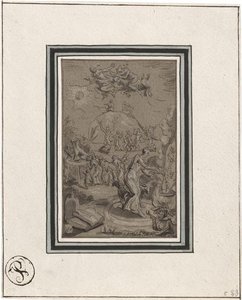
Johann Andreas Thelott
1655 - 1734 , Germany
Hurtige fakta
- Full Name: Eustache Le Sueur
- Nationality: French
- Date Of Birth: 1655
- Date Of Death: 1734
- Place Of Birth: Augsburg, Germany
- Notable Artworks:
- Angel and Hagar
- Tobias and Tobit
- Martyrdom St Lawrence
- Life of St Bruno
- Artistic Movement Or Style: Neoclassical
- Artists Who Influenced This Artist:
- Vouet
- Poussin
- Artists Or Movements Influenced By This Artist: ["Le Sueur's style influenced later artists."]
Relaterede artikler

Barokkens Mestre: Top 10 Kunstværker der Definerede en Æra | OriginalUniqueArt.dk
Oplev barokkens storhed! Dyk ned i 10 ikoniske kunstværker af Caravaggio, Rembrandt & Vermeer. Lær historierne bag mesterværkerne og find inspiration til din indretning med museumskvalitets reproduktioner på OriginalUniqueArt.com

Baroque Classicism: The Grandeur of Order and Drama in 17th-Century Art History
Explore the profound elegance of Baroque Classicism. Discover how 17th-century masters synthesized dramatic emotion with classical order through the lens of the Counter-Reformation and the works of legends like Carlo Maratta and Andrea Sacchi.

The Dramatic Flourish: Exploring the Baroque Movement's Enduring Legacy in Art History
Explore the dramatic world of Baroque art! Discover iconic artists like Caravaggio & Rubens, defining techniques, and its lasting impact on art history. Expert insights for collectors & enthusiasts at OriginalUniqueArt.

The Visceral Stage: Exploring Dramatic Narratives & Emotional Intensity in Baroque Art
Explore the dramatic world of Baroque art! Discover iconic masters like Caravaggio & Rembrandt, their techniques, and the movement's lasting impact. Expert insights for collectors & enthusiasts at OriginalUniqueArt.

Barokkens Drama: Hvordan Storhed og Emotion Bringes Ind i Moderne Interiører
Dyk ned i barokkunstens verden! Lær om stilens historie, karakteristika og hvordan du integrerer dens drama og elegance i dit moderne hjem. Inspiration & ekspertrådgivning.
