

 Se i rummet
 Send
Send Del
Del
 Detaljer
 Studieguide til kunstværker

 Download
 Lignende værker
 Røntgenundersøgelse
 Se diasshow
 Statistik
Study (Fanciful Figure)
 Oil On Canvas
- WallArt
- Rococo Style
 1769
1769- 19th Century
 82.0 x 66.0 cm
 Louvren
 Læs mere
Giclée / Kunsttryk
Giclée- eller lærredstryk i museumskvalitet med hurtig produktion og fleksible muligheder for finish. ( Bestil håndmalet reproduktion Skift til digitalt billede)




P118B Dkr10

P118H Dkr10

P118W Dkr10

P438Z Dkr10

P508JH Dkr12

P508YH Dkr12

P805H Dkr10

P805Z Dkr10

P919BZ Dkr10

P919G Dkr10

P919XJ Dkr10

P959ZH Dkr10

P968JZ Dkr12

W106C Dkr8

W218G Dkr10

W218JH Dkr8

W218Y Dkr10

W307PJ Dkr10

W316G Dkr10

W316PJ Dkr8

W316Y Dkr10

W398PJ Dkr8

W4111J Dkr10

W500HY Dkr15

W500JH Dkr15

W692G Dkr12

W849H Dkr8

W940BG Dkr15

W953PJ Dkr8




Vælg mellem vores forudindstillede størrelser, der matcher kunstværkets originale proportioner.

Indtast den bredde og højde, du har brug for, så det passer til din ramme eller din væg. Et print kan kun beskæres, aldrig gøres større end billedet, så en størrelse med en anden form vil miste en del af motivet. Vi sender dig en digital mockup til godkendelse, før vi printer noget. Billedet vist på denne side viser ikke den faktiske beskæring — det er kun mockuppen, der gør.
Verdensomspændende levering () på 2 uger i stedet for de sædvanlige 4/5 uger. (27 oktober)

Gratis ekspresforsendelse til hele verden

Lærred af linned i høj kvalitet

Komplet transportforsikring

Garanti for refusion af told og importafgifter

Garanti for autentisk farvegengivelse

100 dages returret ved fabrikationsfejl

100% fuld returret

Mængderabat ved flere køb
 Glasmulighed er kun tilgængelig i størrelser under 110 cm

Study (Fanciful Figure)
Giclée / Kunsttryk
Reproduktionsstørrelse
-


Samlet pris
Dkr 532
Jean-Honoré Fragonard’s *Study (Fanciful Figure)* – A Moment of Playful Grace
Captured in 1769, Jean-Honoré Fragonard's *Study (Fanciful Figure)* offers a captivating glimpse into the Rococo world, a realm defined by its exquisite charm and playful sensibility. This intimate portrait depicts a woman absorbed in the act of reading, a scene brimming with relaxed elegance and an undeniable sense of leisure. Measuring 82 x 66 cm, the painting’s scale invites viewers to step closer, drawn into the quiet moment captured within.
The subject, a young woman with flowing blonde hair, is rendered in Fragonard's signature style – characterized by soft brushstrokes, luminous colors, and an emphasis on graceful forms. She wears a vibrant yellow dress, a color frequently associated with joy and optimism during the period, further enhancing the painting’s cheerful mood. The details are meticulously observed: the slight curve of her smile, the delicate folds of her gown, and the scattered books that surround her, suggesting both intellectual pursuit and a comfortable domestic setting.
A Masterclass in Rococo Technique
Fragonard's technique is immediately recognizable. He employs a loose, almost impressionistic approach to color and form, prioritizing atmosphere and feeling over strict realism. Notice the subtle gradations of light and shadow, creating a sense of depth and volume within the figure. The use of pastel hues – particularly in the woman’s dress and hair – contributes significantly to the painting's ethereal quality. The artist skillfully utilizes glazing techniques, layering thin washes of color to build up richness and luminosity, a hallmark of his style.
The composition itself is deceptively simple, yet expertly balanced. The placement of the books—some foreground, some receding—creates a sense of spatial depth, while the chair provides a grounding element within the scene. This careful attention to detail reflects Fragonard’s training under François Boucher, who instilled in him a profound understanding of classical composition and decorative principles.
Symbolism and Context – A Window into 18th-Century Life
*Study (Fanciful Figure)* was created during a pivotal moment in Fragonard's career. Following his success at the Prix de Rome, he transitioned from painting grand historical scenes to exploring more intimate subjects—often depicting aristocratic leisure and flirtation. This work exemplifies this shift, offering a glimpse into the refined lifestyle of the French upper class.
The act of reading itself held symbolic significance during the 18th century, representing education, refinement, and intellectual engagement. The woman’s serene expression suggests contentment and an appreciation for knowledge. Furthermore, the presence of books subtly alludes to the burgeoning interest in Enlightenment ideas that were beginning to shape European thought.
Emotional Impact and Artistic Legacy
Ultimately, *Study (Fanciful Figure)* is a testament to Fragonard’s ability to capture fleeting moments of beauty and grace. The painting evokes a sense of tranquility, inviting the viewer to share in the woman's peaceful contemplation. It remains a quintessential example of Rococo art – a celebration of pleasure, elegance, and the joys of simple pursuits. This exquisite reproduction offers an unparalleled opportunity to own a piece of Fragonard’s genius, bringing a touch of timeless charm into any setting.
Spørgsmål & svar
Hvor kan jeg finde en guide til "Study (Fanciful Figure)"?
Guiden til "Study (Fanciful Figure)" er værkets Guide-side – et printbart faktablad, der viser værket sammen med dets billedtekst, kreditering og identifikationstabel (kunstner, datoer, medie, original størrelse, samling).
Hvilken kunstner og hvilken stil står bag "Study (Fanciful Figure)"?
Bag "Study (Fanciful Figure)" står Jean-Honoré Fragonard og Rococo Style-bevægelsen.
Hvor i hjemmet vil en reproduktion af "Study (Fanciful Figure)" passe godt ind?
Det anbefalede rum til "Study (Fanciful Figure)" af Jean-Honoré Fragonard er en Living Room. Forslaget kan naturligvis tilpasses din indretning.
Om kunstneren
Jean-Honoré Fragonard: En Maler af Lys og Lyst
Jean-Honoré Fragonard, født i den duftende by Grasse i Provence i 1732, var en fransk maler og raderingskunstner, hvis kunst er dybt forankret i Rococo-æraens ånd. Hans liv og arbejde er et fascinerende studie af elegance, lyst, og den subtile dans mellem det offentlige og det private – en verden, hvor skønhed og hemmelighed holdt hånd. Fragonard var ikke blot en kunstner; han var en mester i at fange essensen af 18-tallets franske livsstil, et liv præget af overdådighed, intime møder, og en letbenet tilgang til verden omkring os. Fragonards tidlige år i Grasse var formet af den parfumerige atmosfære og det kunstneriske miljø, der blomstrede i byen. Hans far, François Fragonard, var glover, hvilket gav familien et solidt økonomisk grundlag. Men Jean-Honoré havde en anden passion – kunsten. Han begyndte at tegne tidligt, og hans talent blev hurtigt bemærket af lokale kunstnere. I 1748 flyttede familien til Paris, hvor den unge Fragonard fik mulighed for at studere under den anerkendte stillbilledmaler Jean Siméon Chardin. Denne tidlige indflydelse gav ham en dyb forståelse for det almindelige liv og evnen til at fange subtile følelser i sine værker. Et afgørende øjeblik i Fragonards karriere var hans vundne Prix de Rome i 1752. Denne prestigefyldte pris åbnede døren til Rom, hvor han kunne fordybe sig i den klassiske kunst og studere mesterne fra oldtiden. Han lærte af Federico Barocci og Francesco Solimena, der havde inspireret Boucher, og hans tid i Italien var en periode med intens læring og udvikling. Fragonard eksperimenterede med forskellige teknikker og stilarter, og han begyndte at forme sin egen unikke vision – en blanding af italiensk barok elegance og fransk Rococo-legende. Tilbage i Paris etablerede Fragonard sig hurtigt som en af de mest eftertragtede kunstnere på det franske hof. Han blev tænkt ind i François Bouchers atelier, hvor han lærte at skabe billeder for Ludvig XV og hans hofnarre. Bouchers indflydelse var enorm – han lærte Fragonard at værdsætte elegante former, delikate farver, og en letbenet tilgang til livet. Fragonards evne til at fange den perfekte balance mellem elegance og humor gjorde ham hurtigt populær blandt aristokratiet. Han malede portrætter, interiørbilleder, og især mange af de berømte "galante elskovsscener", der blev et symbol på Rococo-æraens lystne ånd. Fragonards mest kendte værk, *The Swing* (L'Escarpolette), er et perfekt eksempel på hans kunstneriske stil. Billedet fanger en ung kvinde, der legende sparker af sine sko, mens en biskop forsøger at skubbe hende i en gyngestol. I baggrunden ses en skjult elsker, der ser op mod dem. *The Swing* er ikke blot et smukt maleri; det er en fortælling om hemmelige møder, flirtende øjne, og den letbenede lyst, der var så central for Rococo-æraens kultur. Andre kendte værker inkluderer *The Bolt*, *Love Vow*, og en række portrætter af berømte figurer fra sin tid. Fragonards kunst var ikke blot et udtryk for hans personlige lyst, men også et spejl af den sociale og kulturelle atmosfære i det gamle Frankrig. Han fangede essensen af aristokratiets liv – overdådighed, intriger, og en letbenet tilgang til livet. Hans værker er fyldt med humor, elegance, og en subtil sensualitet, der stadig fascinerer os i dag. Selvom han var en mester i at fange det ydre udseende, var det hans evne til at fange essensen af menneskelige følelser, der gjorde hans kunst så unik og varig. Fragonards karriere oplevede et mørkere kapitel under den franske revolution. Hans stil, der var så populær i tidligere tider, blev nu betragtet som overdreven og dekadent. Han mistede sin position på hoffet og oplevede økonomiske vanskeligheder. Trods dette fortsatte han med at male, men hans værker fra denne periode er ofte mere sparsomme og enkle end hans tidligere mesterværker. Jean-Honoré Fragonard døde i Paris i 1806. Han efterlod sig et omfattende œuvre, der omfatter over 550 malerier, samt tusindvis af tegninger og tryk. Hans kunst er fortsat populær verden over, og hans værker udstilles i nogle af verdens mest berømte museer – fra Louvre i Paris til Metropolitan Museum of Art i New York. Fragonard er en af de mest betydningsfulde kunstnere i Rococo-æraen, og hans kunst vil fortsat inspirere og fascinere generationer af kunstelskere.Vigtige værker og samlinger
- The Swing (L'Escarpolette): Wallace Collection, London – Et ikonisk eksempel på Rococo-ekstravagance.
- The Bolt: Findes på OriginalUniqueArt - En fængslende scene af hjemlig intrige og legende spænding.
- Love Vow: Opdag mere om Fragonards værker på OriginalUniqueArt – Et øjebliksbillede af romantisk forpligtelse.
- Young Girl Reading: Fremtræder i kunstdatabaser, der viser hans mesterskab inden for portrætmaleri og lysspil.
- Værker er også fremhævet på Musée du Louvre, Grasse Cathedral, The Metropolitan Museum of Art, og The Frick Collection.

Jean-Honoré Fragonard
1732 - 1806 , Frankrig
Hurtige fakta
- Artistic Movement Or Style: Rokoko
- Artists Or Movements Influenced By This Artist: ['Senere kunstnere']
- Artists Who Influenced This Artist:
- François Boucher
- Chardin
- Date Of Birth: 5. april 1732
- Date Of Death: 22. august 1806
- Full Name: Jean-Honoré Fragonard
- Nationality: Fransk
- Notable Artworks:
- Svinget
- Den åbne skammel
- Kærlighedens løfte
- Place Of Birth: Grasse, Frankrig
Relaterede artikler

Rokokomaleriet: Top 10 Mesterværker der Definerede Epoken | OriginalUniqueArt.dk
Oplev Rokoko kunstens pragt! Dyk ned i 10 mesterværker fra Boucher, Watteau og Fragonard. Historier, teknikker & inspiration til dit hjem. Find museumskvalitets reproduktioner på OriginalUniqueArt.com

The Rococo Aesthetic: Opulence, Rebellion & the Pursuit of Pleasure in 18th-Century Art
Explore the opulent world of Rococo art! Discover its origins, key artists like Watteau & Boucher, and lasting influence on design. Expert insights for collectors & enthusiasts.
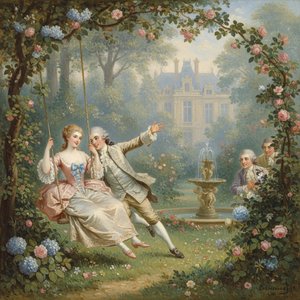
The Rococo Reverie of Fragonard: Love, Leisure & Pleasure in 18th-Century France
Explore the captivating world of Jean-Honoré Fragonard! Discover his Rococo masterpieces, intimate portraits & the allure of 18th-century French art. Learn about 'The Progress of Love' and more at OriginalUniqueArt.
Top 10 Mesterværker i Kromgul: Kunst, Historie og Indretningsinspiration
Oplev top 10 berømte malerier domineret af kromgul! Fra Van Goghs solsikker til Monets impressionisme – udforsk kunsthistorien, farvernes betydning og find inspiration til din boligindretning. Køb museumskvalitets reproduktioner på OriginalUniqueArt.com.
Top 10 Berømte Malerier Domineret af Okkergule Nuancer – Kunst og Indretning
Oplev de 10 mest berømte malerier domineret af okkergule nuancer! Fra Van Gogh til Monet – dyk ned i kunsthistorien og lær om teknikken bag disse tidløse mesterværker. Find din perfekte reproduktion på OriginalUniqueArt.com.


