
 Se i rummet
 Send
Send Del
Del
 Detaljer
 Studieguide til kunstværker

 Download
 Lignende værker
 Røntgenundersøgelse
 Se diasshow
 Statistik
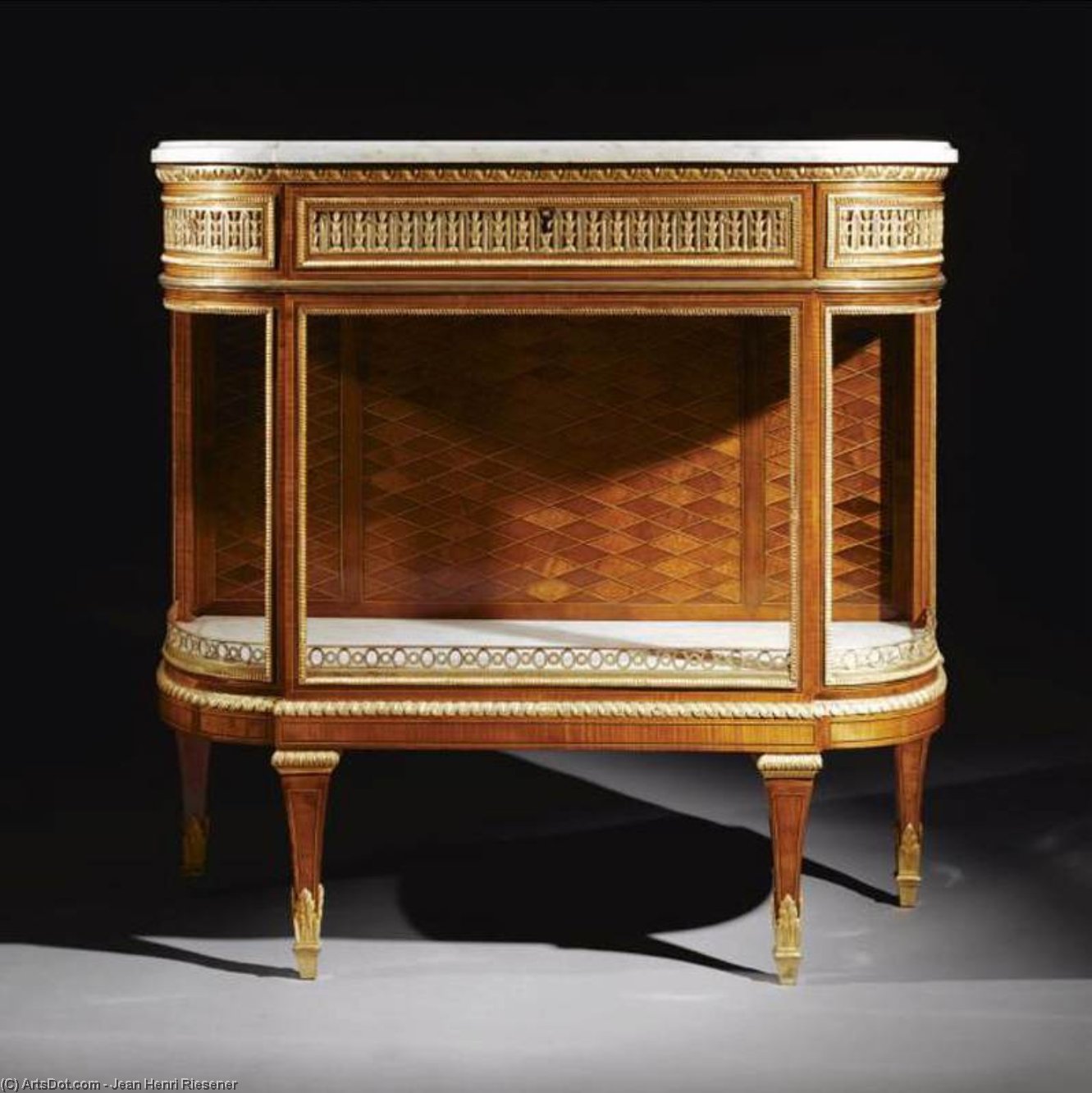
Console-Desserte
 1785
1785 91.0 x 99.0 cm
 Læs mere
Køb et højopløst, optimeret digitalt billede i en kvalitet, der er langt overlegen i forhold til online-forhåndsvisningen.
Hver fil er omhyggeligt forberedt af vores interne specialister ved hjælp af avancerede værktøjer og ekspertmæssig manuel retuschering. Vi sikrer, at hvert billede har enestående klarhed, præcis farvegengivelse og fine detaljer.
Den endelige fil leveres via e-mail inden for 72 timer og er optimeret til øjeblikkelig brug i professionelle, redaktionelle og trykte miljøer. Det er den samme kvalitet, som førende designstudier, forlag og gallerier har tillid til.
Digitalt billede
Download en højopløselig fil til personlig fremvisning, print og kreative projekter. ( Skift til printversion Bestil håndmalet reproduktion)
Inkluderet i alle ordrer på digitale billeder
Professionel digital levering, garanteret
Når du vælger OriginalUniqueArt.com, får du ikke blot et billede – du modtager et professionelt optimeret digitalt kunstværk, skabt med præcision og sikret med en tilfredshedsgaranti. Her er alt, hvad din ordre automatisk indeholder:

Hurtig levering via e-mail
Din højtopløselige digitale billedfil sendes til din e-mail inden for 72 timer efter bestilling – klar til øjeblikkelig brug.

AI-forbedret digital fil
Dit kunstværk optimeres professionelt ved hjælp af avancerede AI-værktøjer og manuel redigering, hvilket sikrer maksimal detaljegrad, klarhed og farvenøjagtighed.

Gratis livslang genlevering
Har du ved en fejl slettet eller mistet din fil? Ingen bekymring – vi sender den igen til enhver tid, helt gratis.

Ingen importgebyrer – nogensinde
Nyd dit kunstværk med det samme uden told, afgifter eller leveringsgebyrer – digitale downloads er altid skattefrie.

Garanteret farvenøjagtighed
Vi sikrer, at dit digitale billede gengiver de originale farver så præcist som muligt ved hjælp af professionelle værktøjer og farvestyring.

100 dages tilfredshedsgaranti
Hvis du ikke er tilfreds med dit digitale billede, vil vi revidere det eller refundere 100% inden for 100 dage – uden spørgsmål.

100% Pengene tilbage-garanti
Ik tilfreds? Få fuld refusion inden for 100 dage efter modtagelse af din digitale fil – uden spørgsmål.

Mængderabat ved storkøb
Køb 3 billeder, spar 10% - Køb 5, spar 15% - Køb 10+, spar 20%. Ideelt til kreative projekter, gallerier og bureauer.
Design and Features
The Console-Desserte has a flat top surface, providing ample space for placing items, and three drawers with brass handles or pulls. The table's legs are turned with a classic design, tapering slightly towards the bottom, which is typical of furniture from the 18th century. The overall design of the console table reflects the neoclassical style, characterized by straight lines, minimal ornamentation, and an emphasis on functionality. Key Features:- Intricate carvings and decorative elements
- Rich, dark brown finish
- Three drawers with brass handles or pulls
- Classic turned legs
Artist and Historical Context
Jean Henri Riesener was a prominent figure in the world of furniture making during the 18th century. He worked for the French royal family, including Queen Marie Antoinette, and created many exceptional pieces for the Palace of Versailles. The Console-Desserte is a testament to Riesener's skill and artistry, showcasing his ability to create functional and beautiful pieces that reflect the neoclassical style. For more information on Jean Henri Riesener and his work, visit /art/list/?Filter=8XZUAR-Jean-Henri-Riesener-Console-Desserte or https://en.wikipedia.org/wiki/Jean_Henri_Riesener.The Musei Capitolini in Rome, Italy, is also home to an impressive collection of art and archaeological artifacts, including works by other notable artists. Visit /art/list/?Filter=A@D3ATXF-The-Museum-Musei-Capitolini-(Rome-Italy) to learn more.
Spørgsmål & svar
Hvilken kunstner tilskrives "Console-Desserte"?
"Console-Desserte" tilskrives Jean Henri Riesener.
Kan jeg se et røntgenbillede af "Console-Desserte" af Jean Henri Riesener?
"Console-Desserte" kan undersøges lag for lag på værkets Røntgenundersøgelse-side, en viewer inspireret af en konservators lysbænk med elleve optiske gennemlæsninger af billedet.
Hvor kan jeg finde statistik om "Console-Desserte" af Jean Henri Riesener?
Der findes en Statistikker-side for "Console-Desserte". Den viser de månedlige besøg for kunstværket og kunstnerens øvrige værker, opdelt efter land og sprog.
Kunstnerbiografi
The Master of the Louis XVI Style
In the gilded era of late eighteenth-century France, few names commanded as much prestige within the royal workshops as Jean Henri Riesener. An eminent German ébéniste, or cabinetmaker, Riesener brought a level of meticulous artistry to Paris that would eventually define the early Neoclassical aesthetic known as the Louis XVI style. His journey from the Electorate of Cologne to the heart of the French court is a narrative of unparalleled skill and social ascent. After moving to Paris and apprenticing under the celebrated Jean-François Oeben, Riesener did more than just learn a trade; he inherited a legacy of excellence. His connection to his master was so profound that he eventually married Oeben's widow, further cementing his place within the lineage of France's most elite craftsmen.
Riesener’s career reached its zenith when he was formally named ébéniste ordinaire du roi. This title was not merely ceremonial; it signaled his role as a primary provider of luxury furniture for the French Crown. During the decade between 1774 and 1784, the scale of his commissions was staggering, reflecting a period where the French court engaged in furnishing projects of unprecedented opulence. He became a favorite of Queen Marie Antoinette, working alongside other masters like David Roentgen to create pieces that served as both functional furniture and profound statements of status and refined taste.
A Symphony of Marquetry and Form
The work of Riesener is characterized by a breathtaking intersection of utility and decorative splendor. He was a master of marquetry, the delicate art of inlaying different colored woods to create intricate patterns and pictorial scenes. His ability to manipulate materials allowed him to transform hard woods like walnut into fluid, organic compositions. Whether crafting a writing table or a complex chest of drawers, Riesener utilized a sophisticated palette of geometric designs and floral motifs that embodied the transition from the flowing curves of the Rococo to the more structured, disciplined lines of Neoclassicism.
Beyond the surface decoration, his technical mastery extended to the structural integrity and multi-functional design of his pieces. His creations often featured:
- Intricate Inlays: The use of contrasting shades of wood to create depth and visual movement.
- Gilt Bronze Accents: The integration of fine metalwork to complement the warmth of the wood.
- Hidden Complexity: The inclusion of concealed drawers and specialized compartments, such as those found in his sewing tables, designed for the private needs of the aristocracy.
To encounter a Riesener piece is to witness a sculptural masterpiece. His work, such as the exquisite trough-shaped sewing table or his magnificent roll-top desks, transcends mere furniture making. Each piece serves as a portal into a vanished era of aristocratic refinement, where every edge and inlay was designed to evoke the intellectualism and elegance of the Enlightenment.
Legacy of an Ébéniste
The historical significance of Jean Henri Riesener lies in his ability to capture the very spirit of an age. His furniture did not merely occupy space; it defined the atmosphere of the most important salons and private sanctuaries in France, from Saint-Cloud to Versailles. Through his dedication to the highest standards of craftsmanship, he helped establish a standard of excellence that would influence decorative arts for generations. Even as the political landscape of France underwent violent transformations, the enduring beauty of Riesener's work remained a testament to the heights of French decorative achievement, ensuring his place in history as one of the greatest cabinetmakers to ever grace the Parisian workshops.
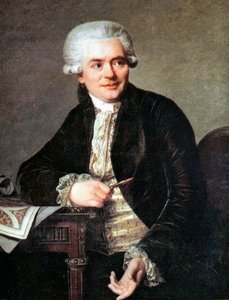
Jean Henri Riesener
1767 - 1828 , Tyskland