
 Se i rummet
 Del som kort
 Del
Del
 Detaljer
 Guide
Guide

 Download
 Lignende værker
 Røntgenundersøgelse
 Diasshow
 Spørgsmål og svar
 Statistikker
Self-Portrait

- 61.0 x 49.0 cm


 Vis mere
Giclée / Kunsttryk
Giclée- eller lærredstryk i museumskvalitet med hurtig produktion og fleksible muligheder for finish. ( Køb håndmalet maleri Skift til digitalt billede)




P118B Dkr10

P118H Dkr10

P118W Dkr10

P438Z Dkr10

P508JH Dkr12

P508YH Dkr12

P805H Dkr10

P805Z Dkr10

P919BZ Dkr10

P919G Dkr10

P919XJ Dkr10

P959ZH Dkr10

P968JZ Dkr12

W106C Dkr8

W218G Dkr10

W218JH Dkr8

W218Y Dkr10

W307PJ Dkr10

W316G Dkr10

W316PJ Dkr8

W316Y Dkr10

W398PJ Dkr8

W4111J Dkr10

W500HY Dkr15

W500JH Dkr15

W692G Dkr12

W849H Dkr8

W940BG Dkr15

W953PJ Dkr8




Vælg mellem vores forudindstillede størrelser, der matcher kunstværkets originale proportioner.

Indtast den bredde og højde, du har brug for, så det passer til din ramme eller din væg. Et print kan kun beskæres, aldrig gøres større end selve billedet, så en størrelse med et andet format vil medføre, at dele af motivet går tabt. Vi sender dig en digital mockup til godkendelse, før vi printer noget. Billedet vist på denne side viser ikke den faktiske beskæring — det er kun mockuppen, der gør.
Verdensomspændende levering () på 2 uger i stedet for de sædvanlige 4/5 uger. (15 november)

Gratis ekspresforsendelse til hele verden

Lærred af linned i høj kvalitet

Fuld transportforsikring

Garanti for refusion af told og importafgifter

Garanti for præcis farvegengivelse

100 dages returret ved fabrikationsfejl

100% fuld returret

Mængderabat ved flere køb
 Glasmulighed er kun tilgængelig i størrelser under 110 cm

Self-Portrait
Giclée / Kunsttryk
Størrelse på reproduktion
-


Samlet pris
Dkr 539
Jean-Étienne Liotard’s “Self-Portrait,” A Window into Rococo Introspection
The year 1744 marks a pivotal moment in the artistic trajectory of Jean-Étienne Liotard, a Genevan painter whose oeuvre is defined by an exquisite blend of naturalism and ethereal beauty. His “Self-Portrait,” housed within the hallowed halls of the Uffizi Gallery in Florence, isn’t merely a depiction of a man; it's a carefully constructed meditation on identity, perception, and the delicate balance between the observed world and the inner self. Painted during his period in Rome, this pastel masterpiece exemplifies Liotard’s signature style – a luminous, almost dreamlike quality achieved through masterful layering and an unparalleled sensitivity to light and texture.
Liotard's technique is immediately striking. He eschews the rigid formality of traditional portraiture, opting instead for a relaxed pose and a gaze that feels both direct and contemplative. The pastel medium itself—a relatively new tool in 18th-century art—allowed Liotard to build up color with astonishing subtlety, creating an effect akin to sfumato, the hazy blurring technique perfected by Leonardo da Vinci. Notice how he employs delicate washes of pinks, blues, and greens to capture the nuances of light on his face and clothing, imbuing the portrait with a sense of atmospheric depth. The background, rendered in loose, impressionistic strokes, isn’t merely decorative; it subtly reinforces the feeling of introspection, suggesting an inner landscape mirroring the sitter's thoughts.
A Genevan Artist Embraces the Orient
Born in Geneva in 1702, Liotard’s early life was shaped by his Huguenot heritage and a rigorous artistic training under esteemed miniaturists. However, it was his sojourn to Constantinople between 1738 and 1742 that profoundly influenced his artistic vision. Immersed in the vibrant culture of the Ottoman Empire, he developed a fascination with Eastern aesthetics – particularly the use of rich colors, luxurious fabrics, and the portrayal of everyday life. This influence is subtly present in “Self-Portrait,” not through overt Orientalist tropes, but rather through the overall mood of serenity and an appreciation for tactile textures. The loose brushwork and soft color palette evoke a sense of exoticism without resorting to stereotypical imagery.
Interestingly, Liotard’s embrace of the East wasn't solely aesthetic; it was also deeply personal. He deliberately adopted Turkish dress in his portraits, a conscious decision that challenged European conventions and established him as a unique figure within the art world. This choice, documented in numerous accounts, reflected not just an artistic preference but a genuine engagement with a culture vastly different from his own. It’s a testament to Liotard's intellectual curiosity and willingness to transcend conventional boundaries.
Symbolism of Inner Reflection
Beyond its technical brilliance, “Self-Portrait” is rich in symbolic meaning. The sitter’s direct gaze invites the viewer into his world, fostering a sense of intimacy and shared contemplation. The slightly parted lips suggest a quiet amusement, while the subtle furrow of his brow hints at underlying thoughts and emotions. Some art historians have interpreted the portrait as an exploration of the concept of “inner space”—a realm where the self is revealed through careful observation and artistic representation.
The inclusion of a small, partially visible book in the foreground adds another layer of complexity. It’s a subtle nod to Liotard's own intellectual pursuits – his studies of art theory and his role as an art dealer. The book symbolizes knowledge, reflection, and the pursuit of understanding—qualities that are central to the portrait’s overall message. The soft lighting and hazy atmosphere further contribute to this sense of introspection, creating a space where the viewer is invited to contemplate not just the subject's appearance but also his inner world.
A Timeless Masterpiece for Collectors
Liotard’s “Self-Portrait” remains a captivating work of art, offering a rare glimpse into the mind and soul of a remarkable artist. Its delicate pastel technique, evocative atmosphere, and profound symbolism continue to resonate with viewers centuries after its creation. A high-quality reproduction captures much of this beauty, making it an ideal addition to any collection or interior space. The painting’s luminous quality and contemplative mood create a sense of serenity and intellectual engagement—a perfect choice for those seeking art that transcends mere decoration.
Spørgsmål og svar
Hvilken stemning og hvilke følelser udtrykker "Self-Portrait" af Jean-Étienne Liotard?
Stemningen i "Self-Portrait" af Jean-Étienne Liotard er Elegant, og dens følelsesmæssige tone er Reflective.
Kan jeg bruge augmented reality til at se "Self-Portrait" af Jean-Étienne Liotard i mit eget rum?
Siden Se i AR for "Self-Portrait" af Jean-Étienne Liotard bruger augmented reality til at vise kunstværket i dit eget rum på en kompatibel enhed.
Hvad er den dominerende farve i "Self-Portrait" af Jean-Étienne Liotard?
Den farve, der træder tydeligst frem i "Self-Portrait", er Clay (#a67555). Den dominerende farve er nyttig, når man skal matche et kunstværk med en indretning.
Kunstnerbiografi
Tidligt liv, familie og uddannelse
Jean-Étienne Liotard trådte ind i verden den 22. december 1702 i Genève, Schweiz. Han blev født ind i en familie af franske protestanter, der havde søgt tilflugt i Genève i kølvandet på begivenhederne i 1685. Hans ankomst blev ledsaget af en tvillingebror, Jean-Michel, som senere ville følge sin egen vej som tegner og raderer. Dette tidlige miljø, præget af forældrenes fordrivelse, lagde en rolig og disciplineret grundsten for de mange års studier, der fulgte.
Hans formelle uddannelse begyndte i Genève under de vågne øjne fra professorerne Daniel Gardelle og Petitot. Det var i disse tidlige lektioner, at han for første gang mestrede emalje- og miniaturemaleriets delikate kompleksitet – teknikker, der krævede en urokkelig hånd og et skarpt øje for detaljen. Disse formative år etablerede den tekniske præcision, som skulle komme til at definere hans senere virke, længe før han søgte mod bredere horisonter uden for de schweiziske grænser.
I 1725 drog den unge kunstner til Paris for at videreudvikle sit talent. Han tilbragte tre år i Jean-Baptiste Massés værksted, en periode der var mere præget af professionelt arbejde end af formelt lærepladsforløb. I denne tid arbejdede han som assistent og producerede adskillige kopier af eksisterende værker for at forsørge sig selv. Denne praktiske fordybelse i den parisiske kunstscene gav ham den nødvendige indsigt i tidens herskende smag og forberedte ham på de rejser, der i sidste ende ville føre ham mod Det Osmanniske Rige.
Livet og virke i Konstantinopel
Liotards ophold i Konstantinopel, som begyndte i 1738 og varede i fire år, ændrede fundamentalt retningen for hans karriere. Ved at lade sig opsluge af Det Osmanniske Rige udviklede han en dyb fascination for østlig æstetik. Dette var ikke blot en flygtig interesse for det eksotiske; han søgte at forstå teksturerne og farverne i en kultur, der lå langt fra hans rødder i Genève. Hans observationer var omhyggelige og fokuserede på den stille hverdag i hjemmet samt de lokale skikkers særpræg.
Han nøjedes ikke med blot at observere fra periferien. Liotard adopterede den lokale livsstil og bar ofte tyrkisk dragt i sin egen hverdag. Dette valg af påklædning var så konsekvent, at han med tiden fik øgenavnet "den tyrkiske maler". Ved at integrere sig i byens sociale væv fik han adgang til intime scener, som en almindelig rejsende måske aldrig ville have været vidne til. Hans pasteller fra denne periode indfanger disse hjemlige interiører med en følelse af autentisk nærvær, der rækker langt ud over den overfladiskhed, man ofte finder i samtidens orientalistiske værker.
- Turkish Woman with a Tambourine (1738)
- A Turk Seated (omkring 1740)
Teknik og kunstnerisk stil
Jean-Étienne Liotards tilgang til kunsten var dybt forankret i en kompromisløs dedikation til naturalismen. I sin traktat, Traité des principes et des règles de la peinture, argumenterede han for, at maleriets sande formål var at fungere som et spejl af naturen. Denne filosofi guidede hans penselstrøg, uanset om han arbejdede med olie, radering eller sit mest karakteristiske medie, pastellen. Han stræbte efter at indfange verden med en sådan præcision, at han formåede at undgå den kunstighed, som man ofte finder i sin tids portrætkunst.
Hans mesterskab over pastellen gjorde det muligt for ham at opnå en lyskraft, som få af hans samtidige kunne efterligne. Han nøjedes ikke blot med at stryge farven over en overflade; han pressede pastellen med kraft mod sit underlag for at opbygge en intens dybde i tonerne. Denne teknik krævede en helt særlig forberedelse af hans materialer. Han arbejdede ofte på vellum – huder fra kalv, ged eller lam – som var blevet behandlet med en blanding af fiskelim, vin og fint pimpstenstøv for at skabe den nødvendige tekstur til hans lagdelte påføring af farver.
Denne tekniske præcision kommer tydeligt til udtryk i hans evne til at gengive stoffernes subtile teksturer og den menneskelige huds bløde nuancer. Hans portrætter er berømte for deres slående detaljerigdom, hvor han indfanger den enkelte model karakter gennem en delikat og næsten magisk håndtering af lyset. Selvom hans rejser bragte ham i kontakt med eksotiske motiver, forblev hans metode altid fokuseret på den sandfærdige observation af det levende menneske.
Bemærkelsesværdige værker og mesterværker
Året 1744 viste sig at være et skelsættende år for hans kunstneriske produktion, markeret af skabelsen af The Chocolate Girl og et bemærkelsesværdigt Self-Portrait. Sidstnævnte, som i dag befinder sig i Galleria degli Uffizi i Firenze, tilbyder et intimt indblik i hans egen identitet gennem pastellens bløde medie. I dette værk udnytter han materialet til at opbygge farver med en subtil, lagdelt teknik, der skaber en følelse af atmosfærisk dybde. Hans evne til at indfange nuancerne i lys og tekstur gjorde det muligt for ham at bevæge sig væk fra den stive formalitet, man ofte finder i periodens traditionelle portrætkunst.
Hans engagement i Europas intellektuelle cirkler træder tydeligt frem i Portrait of Francesco Algarotti, færdiggjort i 1745. Dette pastelværk indfanger motivet med en flydende, lysende kvalitet, der fremhæver filosofens karakter gennem delikate gradueringer af toner. På samme måde ses hans dygtighed i gengivelsen af ungdommelige motiver i Portrait of Maria Frederike van Reede-Athlone at Seven Years of Age, et værk bevaret på J. Paul Getty Museum i Los Angeles. Disse portrætter vidner om en sjælden evne til at balancere fysisk lighed med en dyb fornemmelse af den portrætteredes nærvær.
Senere i hans karriere udvidede hans fokus sig til også at omfatte landskaberne fra hans hjemregion. I 1770 skabte han View of the Mont Blanc massif from the artist's studio in Geneva, with self-portrait. Dette oliemalerie skildrer en udsigt over de schweiziske Alper gennem et stort vindue og forener bjergenes ydre storhed med det stille, indre rum i hans atelier. Det står som et betydningsfuldt eksempel på hans evne til at smelte realisme sammen med en blød, næsten impressionistisk tilgang til lys og afstand.
De sidste år og døden
Det sidste årti af Jean-Étienne Liotards liv var præget af en bevægelse fra de tidlige års skarpe, observerende præcision mod en mere teoretisk fordybelse i hans håndværk. I 1781 udgav han sin traktat, Traité des Principes et règles de la Peinture, et værk der søgte at kodificere de essentielle standarder for hans profession. Denne udgivelse var et spejlbillede af et liv dedikeret til teknisk undersøgelse, hvor han bevægede sig ud over den rene efterligning af form for i stedet at adressere mediets fundamentale principper.
Selv da hans interesser vendte sig mod kunstens intellektuelle fundamenter, forblev hans hånd aktiv i atelieret. Han opgav aldrig den fysiske skabelsesproces, men fortsatte med at producere stilleben og landskaber i sine senere år. Disse sene værker, der ofte fokuserede på naturens stilhed eller de omhyggelige arrangementer af objekter, sikrede en jævn produktion ved siden af hans mere berømte portrætter. Han forblev en mand af atelieret helt til det sidste.
Liotard vendte til sidst tilbage til sine rødder i Genève, den by hvor han blev født af købmanden Antoine og Anne Sauvage. Han blev i dette velkendte landskab indtil sin død den 12. juni 1789. Hans bortgang fandt sted på tærsklen til en ny æra, og han efterlod sig et livsværk, der brobyggede mellem det tidlige 18. århundredes minutiøse detaljerigdom og oplysningstidens skiftende smag.
Hvor man kan opleve værkerne i dag
Fordelingen af Liotards kunstneriske produktion over hele Europa og herudover muliggør en mangfoldig undersøgelse af hans tekniske præcision. Rijksmuseum i Amsterdam besidder den største samling af hans værker med tretten genstande, der vidner om hans mesterlige beherskelse af mediet. I London bevarer Royal Collection ti værker, som giver et fascinerende indblik i de portrætter, der engang cirkulerede blandt den britiske elite. For dem, der søger hans mere intime udforskninger, huser Musée d'Art et d'Histoire i Genève en betydelig samling af hans pasteller og tegninger.
Hans tilstedeværelse i store internationale institutioner er fortsat markant. J. Paul Getty Museum i Los Angeles besidder fire af hans værker, mens Uffizi-galleriet i Firenze bevarer hans Selvportræt fra 1744. Disse værker, der er spredt fra de schweiziske Alper til Middelhavet, udgør et fysisk kort over et liv tilbragt i konstant bevægelse mellem de europæiske og osmanniske kulturcentre.
- 1744: Selvportræt - Galleria degli Uffizi, Firenze
- 1744: The Chocolate Girl - Gemäldegalerie, Dresden
- 1754: Portræt af Prins Edward, Hertug af York og Albany - Royal Collection, London
- 1756: Portræt af Maria Frederike van Reede-Athlone i syvårsalderen - J. Paul Getty Museum, Los Angeles

Jean-Étienne Liotard
1702 - 1789 , Schweiz
Kort om kunstneren
- Artists Who Influenced This Artist:
- Daniel Gardelle
- Petitot
- Jean-Baptiste Massé
- François Lemoyne
- Date Of Birth: 1702
- Date Of Death: 1789
- Full Name: Jean-Étienne Liotard
- Nationality: Schweizisk
- Notable Artworks:
- Dutch girl at breakfast
- La liseuse
- The chocolate girl
- La belle lyonnaise
- Maria frederike van reede-athlone at seven
- Place Of Birth: Genève, Schweiz
Relaterede artikler

The Introspective Gaze: Tracing the Evolution and Psychological Depth of the Self-Portrait
Explore the psychological evolution of self-portraiture from Dürer to modern masters. Trace the history of the human gaze with us.
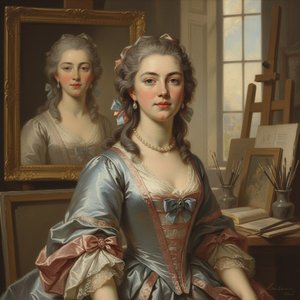
Jean-Étienne Liotard: Rococo Portraiture & the Pursuit of Naturalism
Explore the exquisite Rococo portraits of Jean-Étienne Liotard, a master of pastel and enamel. Discover his innovative techniques, captivating Turkish scenes, and lasting influence on art history. Learn more at OriginalUniqueArt.

Jean-Marc Nattier: Rococo Portraiture & Aristocratic Patronage
Explore the exquisite Rococo portraits of Jean-Marc Nattier, favored by French aristocracy. Discover his artistic techniques, patronage network, and lasting legacy – a guide for discerning collectors.

Beyond Decor: How Custom Historical Portraits Redefine Modern Self-Expression
Discover how custom historical portraits transcend decor to become profound expressions of identity. Explore the artistry of bespoke oil reproductions, from Renaissance mastery to modern reimagining, and learn to transform personal legacies into museum-quality fine art masterpieces.

25 Iconic Masterpieces by Henri de Toulouse-Lautrec: Capturing the Spirit of Montmartre
Step into the vibrant nightlife of Montmartre with our curated guide to the top 25 Henri de Toulouse-Lautrec masterpieces. Explore the soul of Post-Impressionism through iconic prints and museum-quality reproductions. Discover all masterpieces on OriginalUniqueArt.com.
