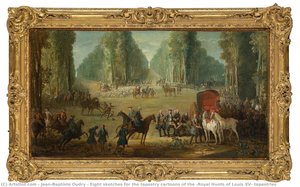
Se i rummet
 Send
Send Del
Del
 Detaljer
 Studieguide til kunstværker

 Download
 Lignende værker
 Røntgenundersøgelse
 Se diasshow
 Statistik
Dog Pointing a Partridge
 Acrylic On Canvas
- WallArt
- Rococo
 1725
1725 129.0 x 162.0 cm
 Hermitage Museum
 Læs mere
Håndlavet oliereproduktion
Håndmalet olie på lærred i din valgte størrelse og ramme, udført efter bestilling af vores kunstnere. ( Skift til printversion Skift til digitalt billede)




P118B Dkr10

P118H Dkr10

P118W Dkr10

P438Z Dkr10

P508JH Dkr12

P508YH Dkr12

P805H Dkr10

P805Z Dkr10

P919BZ Dkr10

P919G Dkr10

P919XJ Dkr10

P959ZH Dkr10

P968JZ Dkr12

W106C Dkr8

W218G Dkr10

W218JH Dkr8

W218Y Dkr10

W307PJ Dkr10

W316G Dkr10

W316PJ Dkr8

W316Y Dkr10

W398PJ Dkr8

W4111J Dkr10

W500HY Dkr15

W500JH Dkr15

W692G Dkr12

W849H Dkr8

W940BG Dkr15

W953PJ Dkr8




Vælg mellem vores forudindstillede størrelser, der matcher kunstværkets originale proportioner.

Indtast den bredde og højde, du har brug for, så det passer til din ramme eller din væg. Da dette er håndmalet, kan kunstneren ved en anden form på størrelsen male lidt mere rundt om billedet eller skære lidt væk — det er op til dig. Vi sender dig et digitalt mockup til godkendelse, før maleriet påbegyndes. Billedet, der vises på denne side, viser ikke det endelige resultat — det er kun mockuppet, der gør.
Efter bestilling vil OriginalUniqueArt.com team sende en e-mail til kunden for at indhente instruktioner og fremsende et udkast til gennemgang.
Levering i hele verden () på 3-4 uger i stedet for de standard 5 uger. (22 oktober). Ingen kompromiser med kvaliteten.

Gratis ekspresforsendelse til hele verden

Lærred af linned i høj kvalitet

Komplet transportforsikring

Garanti for refusion af told og importafgifter

Garanti for autentisk farvegengivelse

100 dages returret ved fabrikationsfejl

100% fuld returret

Mængderabat ved flere køb
 Glasmulighed er kun tilgængelig i størrelser under 110 cm

Dog Pointing a Partridge
Reproduktionsmateriale
Reproduktionsstørrelse
-


Samlet pris
Dkr 1966
A Moment of Focused Grace: Oudry’s “Dog Pointing a Partridge”
Jean-Baptiste Oudry's "Dog Pointing a Partridge," painted in 1725, isn’t merely a depiction of a hunt; it’s a distillation of the Rococo spirit – an elegant tableau capturing a fleeting moment of intense concentration and the harmonious relationship between man and animal. The painting immediately draws the eye to the dog, a magnificent specimen of the Pointer breed, utterly absorbed in its task. Its head is lowered, tail held high in anticipation, and posture radiating unwavering focus. This isn’t a clumsy or frantic pursuit; it's a controlled, almost meditative state, suggesting an innate understanding of scent and instinct. The Partridge, perched delicately amongst the grasses, becomes a secondary subject, almost a reward for this dedicated vigilance.
The Rococo Palette and Precise Observation
Oudry’s mastery lies in his meticulous observation and the skillful application of Rococo techniques. The painting is rendered in a remarkably detailed black and white, emphasizing form and texture rather than relying on vibrant color. This monochrome palette was common for hunting scenes at the time, allowing Oudry to concentrate on capturing the nuances of light and shadow – the way it falls across the dog’s fur, the delicate details of the bird's plumage, and the undulating surface of the grass. The brushstrokes are smooth and refined, contributing to a sense of serenity and control. Notice how he uses subtle gradations of tone to create depth and volume, particularly in the dog’s musculature and the surrounding foliage. The composition itself is carefully balanced, with the elements arranged to guide the viewer's eye through the scene – from the rock at the foreground, up to the bird and then back down to the dog.
- Technique: Oil on canvas, demonstrating Oudry’s command of chiaroscuro (light and shadow).
- Composition: Balanced arrangement drawing the eye through the scene.
- Brushwork: Smooth, refined strokes contributing to a sense of serenity.
A Royal Pursuit and Aristocratic Leisure
“Dog Pointing a Partridge” reflects the aristocratic pursuits of 18th-century France, specifically the royal hunt. These scenes weren’t simply records of hunting expeditions; they were carefully constructed displays of wealth, skill, and social status. Oudry was commissioned by figures like Noël-Antoine de Mérou, director of the Royal Beauvais Tapestry Manufactory, to create designs for tapestries depicting similar hunts – a testament to their popularity and importance within courtly life. The painting embodies the Rococo fascination with leisure, elegance, and the idealized depiction of aristocratic pursuits. The dog’s posture speaks volumes about the values of the time: loyalty, discipline, and an appreciation for the natural world—all carefully curated and presented for a discerning audience.
Symbolism and Emotional Resonance
Beyond its technical brilliance, the painting holds symbolic weight. The dog represents not just a hunting tool but also a companion – a loyal friend engaged in a shared activity. The Partridge, often associated with fertility and renewal, adds another layer of meaning to the scene. The overall effect is one of quiet grace and focused intensity. It’s a moment frozen in time, capturing the beauty of nature and the harmonious relationship between man and animal—a timeless image that continues to resonate with viewers today. Reproductions allow us to appreciate Oudry's skill and bring this elegant scene into our own homes, offering a glimpse into the refined world of 18th-century French aristocracy.
Spørgsmål & svar
Kan jeg bruge augmented reality til at se "Dog Pointing a Partridge" af Jean-Baptiste Oudry i mit eget rum?
"Dog Pointing a Partridge" af Jean-Baptiste Oudry kan ses på din egen væg via kunstværkets AR-forhåndsvisning-side ved hjælp af augmented reality på en kompatibel enhed.
Hvilken atmosfære ville en reproduktion af "Dog Pointing a Partridge" af Jean-Baptiste Oudry tilføre et rum?
Den Elegant atmosfære i "Dog Pointing a Partridge" af Jean-Baptiste Oudry passer perfekt til det anbefalede rum: et Living Room.
Er farverne i "Dog Pointing a Partridge" af Jean-Baptiste Oudry livlige eller dæmpede?
"Dog Pointing a Partridge" af Jean-Baptiste Oudry er gengivet med en Subtle Color mætning og en Monochromatic intensitet.
Om kunstneren
Jean-Baptiste Oudry: Et liv i kunsten
Tidligt liv og uddannelse
- Født: 17. marts 1686, i Paris, Frankrig.
- Oudry kom fra en kunstnerisk familie; hans far, Jacques Oudly, var maler og kunsthandler. Hans mor, Nicole Papillon, var beslægtet med kobberstikkere Jean-Baptiste-Michel Papillon.
- Han påbegyndte sin uddannelse ved Académie de Saint-Luc, hvor han studerede under Nicolas de Largillière fra 1707 til 1712. Denne grundlæggende periode formede hans tidlige færdigheder inden for portrætkunst og observation.
- Han gjorde hurtigt fremskridt og blev assisterende professor ved Académie de Saint-Luc i 1714 og opnåede titlen som fuld professor i 1717.
Kunstnerisk udvikling og stil
- Oudry fokuserede oprindeligt på portrætter, men udvidede gradvist sit repertoire til at omfatte stilleben, især af frugt og dyr, samt religiøse motiver.
- Hans stil udviklede sig mod rokokoen, som er kendetegnet ved elegance, naturalisme og en legende skildring af det aristokratiske liv og fritid.
- Oudrys omhyggelige sans for detaljen og hans evne til at indfange dyrenes teksturer og karakteristika blev kendetegnende for hans værk.
- Han udviste mesterskab i både maleri og design, hvilket gjorde ham i stand til sømløst at bevæge sig mellem lærredets verden og skabelsen af gobeliner.
Store bedrifter og bemærkelsesværdige værker
- The Pastoral Amusements (Les Amusements Champêtres): En serie gobeliner designet til den kongelige Beauvais-manufaktur, som fremviser idylliske scener fra landlivet og jagten.
- Louis XV jager en hjort i skoven ved Saint-Germain (1730): Dette maleri cementerede Oudrys ry som den officielle maler for den kongelige jagt. Det eksemplificerer hans evne til at skildre både jagtens storhed og det naturlige miljø.
- Louis XV's kongelige jagter (Chasses Royales Gobelins): En serie af gobelin-designs til Gobelins-manufakturen, som yderligere etablerede Oudrys betydning som tekstildesigner.
- Adskillige portrætter af vildt bestilt af kong Louis XV, der demonstrerer hans ekspertise i dyreanatomi og komposition af stilleben.
Indflydelse og eftermæle
- Inspireret af: Nicolas de Largillière spillede en afgørende rolle i Oudrys tidlige kunstneriske udvikling ved at give ham den fundamentale træning i portrætkunst og teknik.
- Oudrys arbejde påvirkede efterfølgende generationer af dyremalere og gobelinvævere. Hans naturalistiske stil og detaljerigdom satte en ny standard for skildringen af vilde dyr.
- Han bidrog væsentligt til de dekorative kunstarter ved det franske hof ved at skabe luksuriøse gobeliner, der prydede de kongelige residenser.
Historisk betydning
- Oudrys værker giver værdifuld indsigt i det 18. århundredes aristokratiske liv og jagtens betydning som tidsfordriv for den franske adel.
- Hans gobeliner betragtes som mesterværker inden for fransk dekorativ kunst, da de fremviser periodens tekniske dygtighed og kunstneriske kreativitet.
- Han blev udnævnt til prestigefyldte stillinger inden for Académie Royale de Peinture et de Sculpture, hvilket vidner om hans anerkendelse som en førende kunstner i sin tid.
- Død: 30. april 1755, hvor han efterlod sig en arv af udsøgte malerier og gobeliner, der fortsat beundres den dag i dag.

Jean-Baptiste Oudry
1686 - 1755 , Frankrig
Hurtige fakta
- Artistic Movement Or Style: Rokoko
- Artists Who Influenced This Artist: ['Nicolas de Largillière']
- Date Of Birth: 17 marts 1686
- Date Of Death: 30 april 1755
- Full Name: Jean-Baptiste Oudry
- Nationality: Fransk
- Notable Artworks:
- De Pastors Underholdninger
- Ludvig XV jagt på hjorten i Sankt Germains skov
- Place Of Birth: Paris, Frankrig
Relaterede artikler
Animalia: Dyrenes Vedvarende Tilstedeværelse i Kunst og Indretning
Udforsk dyrenes fascinerende symbolik i kunsthistorien! Fra antikken til moderne indretning – lær om betydningen og find smukke reproduktioner hos .
The Pursuit of Power & Prestige: Hunting Scenes in Western Art
Explore the rich history of hunting scenes in Western art, from royal pursuits to powerful allegories. Discover masterpieces & expert insights for discerning collectors. OriginalUniqueArt offers museum-quality reproductions.

Rokokomaleriet: Top 10 Mesterværker der Definerede Epoken | OriginalUniqueArt.dk
Oplev Rokoko kunstens pragt! Dyk ned i 10 mesterværker fra Boucher, Watteau og Fragonard. Historier, teknikker & inspiration til dit hjem. Find museumskvalitets reproduktioner på OriginalUniqueArt.com
Beastly Brushstrokes: A Historical Journey Through Animal Painting & Aesthetic Movements
Explore the rich history of animal painting across cultures & movements. Discover iconic artists, symbolism, collecting trends & expert art consultation at OriginalUniqueArt.com.

The Rococo Aesthetic: Opulence, Rebellion & the Pursuit of Pleasure in 18th-Century Art
Explore the opulent world of Rococo art! Discover its origins, key artists like Watteau & Boucher, and lasting influence on design. Expert insights for collectors & enthusiasts.