
 Se i rummet
 Del som kort
 Del
Del
 Detaljer
 Guide
Guide

 Download
 Lignende værker
 Røntgenundersøgelse
 Diasshow
 Spørgsmål og svar
 Statistikker
LA HALTE MILITAIRE


 Vis mere
Giclée / Kunsttryk
Giclée- eller lærredstryk i museumskvalitet med hurtig produktion og fleksible muligheder for finish. ( Køb håndmalet maleri Skift til digitalt billede)




P118B Dkr10

P118H Dkr10

P118W Dkr10

P438Z Dkr10

P508JH Dkr12

P508YH Dkr12

P805H Dkr10

P805Z Dkr10

P919BZ Dkr10

P919G Dkr10

P919XJ Dkr10

P959ZH Dkr10

P968JZ Dkr12

W106C Dkr8

W218G Dkr10

W218JH Dkr8

W218Y Dkr10

W307PJ Dkr10

W316G Dkr10

W316PJ Dkr8

W316Y Dkr10

W398PJ Dkr8

W4111J Dkr10

W500HY Dkr15

W500JH Dkr15

W692G Dkr12

W849H Dkr8

W940BG Dkr15

W953PJ Dkr8




Vælg mellem vores forudindstillede størrelser, der matcher kunstværkets originale proportioner.

Indtast den bredde og højde, du har brug for, så det passer til din ramme eller din væg. Et print kan kun beskæres, aldrig gøres større end selve billedet, så en størrelse med et andet format vil medføre, at dele af motivet går tabt. Vi sender dig en digital mockup til godkendelse, før vi printer noget. Billedet vist på denne side viser ikke den faktiske beskæring — det er kun mockuppen, der gør.
Verdensomspændende levering () på 2 uger i stedet for de sædvanlige 4/5 uger. (10 november)

Gratis ekspresforsendelse til hele verden

Lærred af linned i høj kvalitet

Fuld transportforsikring

Garanti for refusion af told og importafgifter

Garanti for præcis farvegengivelse

100 dages returret ved fabrikationsfejl

100% fuld returret

Mængderabat ved flere køb
 Glasmulighed er kun tilgængelig i størrelser under 110 cm

LA HALTE MILITAIRE
Giclée / Kunsttryk
Størrelse på reproduktion
-


Samlet pris
Dkr 541
A Moment of Respite
Step closer to observe the quiet activity within this rocky enclosure. In La Halte Militaire, we find ourselves looking into a sheltered, cave-like space where a military regiment has paused its movement. The composition is anchored by a large rock formation that frames the scene, creating a sense of a stage set or a private sanctuary amidst a larger landscape. Within this hollow, life unfolds in small, unhurried gestures. Soldiers tend to their horses and engage in low conversation, while tents and supplies suggest a temporary encampment. There is a certain theatricality to how the light falls, emerging from an unseen source within the shadows to highlight the textures of cloth, skin, and stone.
At the heart of this gathering, a Romani woman performs a quiet ritual, reading fortunes for two soldiers. This interaction introduces a layer of mystery to the scene, pulling our attention toward the human connection found in these fleeting moments of rest. The figures are rendered with a focus on the tangible reality of their existence, from the heavy folds of their garments to the sturdy presence of the animals. It is a scene of transition, capturing the stillness that exists between the marches of war.
The Language of the Bamboccianti
The technique here reflects the influence of the Bamboccianti style, a movement that found beauty in the everyday lives of the lower classes. Rather than seeking idealized grandeur, the brushwork focuses on the grit and detail of Roman street life and its environs. You can see it in the way the artist handles the organic shapes of the human bodies and the rugged surfaces of the earth. The lighting is subdued, casting deep shadows that lend a sense of weight to the figures and their surroundings.
While the landscape suggests an idealized Mediterranean setting, the soul of the painting remains rooted in genre painting. The artist uses linear precision to define the edges of the tents and the rocky backdrop, yet the overall texture is layered and tactile. This approach allows the viewer to feel the dust of the road and the coolness of the shade. There is no attempt to romanticize the hardship of the soldiers; instead, the work offers a direct look at the small, human dramas that occur when the movement of an army comes to a halt.
Spørgsmål og svar
Hvordan finder jeg kunstværker, der minder om "LA HALTE MILITAIRE" af Jan Miel?
Se lignende værker til "LA HALTE MILITAIRE" på siden Lignende værker.
Er en højtopløselig download af "LA HALTE MILITAIRE" tilgængelig?
Du kan købe en digital fil af "LA HALTE MILITAIRE" af Jan Miel ved at bestille et højopløseligt digitalt billeddownload på dens Digitalt billede-side.
Hvordan kan "LA HALTE MILITAIRE" af Jan Miel bruges i boligindretningen?
"LA HALTE MILITAIRE" anbefales til Statement, og det ideelle rum er et Living Room.
Kunstnerbiografi
Jan Miel: Brobygger mellem hollandsk realisme og barokkens storhed
Jan Miel (1599–1663) står som en central skikkelse i det syvende århundredes kunstneriske landskab, som selve legemliggørelsen af det fascinerende møde mellem flamsk tradition og italiensk innovation. Han blev født i Beveren, Belgien – selvom Antwerpen og ’s-Hertogenbosch også kan være hans fødeby – men Miels tidlige liv forbliver indhyllet i relativ uklarhed, hvilket efterlader de biografiske detaljer sparsomme. Dog træder en bemærkelsesværende kunstnerisk rejse frem gennem forskningen, en rejse præget af stilistisk udvikling og samarbejder, der cementerede hans plads i det levende kulturelle miljø i Rom og Torino.
Hans formative år blev tilbragt med at forfine sit håndværk primært i Antwerpen, hvor han opsugede indflydelser fra fremtrædende flamske mestre som Anthony van Dyck. Selvom det præcise omfang af hans uddannelse er gået tabt for eftertiden, indprentede det uden tvivl en dyb værdsættelse for minutiøs observation og raffineret teknik i ham – kvaliteter, der kom til at karakterisere store dele af hans senere virke. Denne fundamentale forankring i klassisk tegnekunst og portrættering gav ham det nødvendige værktøjssæt til en karriere, der i sidste ende ville overskride regionale grænser.
Den romerske transformation og Bamboccianti-ånden
Miels ankomst til Rom omkring 1636 markerede et transformativt øjeblik i hans kunstneriske bane. Han blev hurtigt medlem af Bentvueghels, en indflydelsesrig forening af hollandske og flamske kunstnere bosiddende i den Evige Stad. Inden for dette broderskab antog han det mindeværdige øgenavn ‘bieco’, et navn der afspejlede hans karakteristiske skelen – et træk, der blev synonymt med hans kunstneriske persona. Dette tilhørsforhold skaberedybe forbindelser i et bredere kunstnerisk fællesskab, som var dybt påvirket af Pieter van Laers Bamboccianti-stil.
Denne bevægelse var dedikeret til at skildre hverdagslivet blandt de lavere klasser i Rom og omegn, hvor man fravalgte den idealiserede storhed fra højrenæssancen til fordel for noget langt mere sanseligt og umiddelbart. Miel omfavnede denne tendens med hele sit hjerte og skabte fængslende genrebilleder, der indfangede bylivets ånd med en bemærkelsesværdig realisme og følsomhed. Hans værker indeholdt ofte:
- Livlige gadescener befolket af rejsende, købmænd og arbejdere.
- En mesterlig brug af lys til at fremkalde den støvede, solbeskinnede atmosfære i Roms gyder.
- Det subtile samspil mellem menneskelige følelser i de overfyldte, kaotiske omgivelser.
- En minutiøs opmærksomhed på teksturerne i stof, sten og jord.
Udvikling mod klassicisme og hoflig storhed
Som hans karriere skred frem, gennemgik Miels kunstneriske vision en betydelig metamorfose. Selvom han forblev en mester af genrebilledet, begyndte han at bevæge sig væk fra Bamboccianti-stilen rå realisme mod mere klassicistiske historiemalerier. Dette skift afspejlede en bredere tendens i europæisk kunst, hvor barokkens rå energi i stigende grad blev tøjlet af et ønske om orden, adel og klassisk allegori.
Denne udvikling førte ham til sidst til prestigefyldte embeder, mest bemærkelsesværdigt som hofkunstner for Karl Emanuel II, hertug af Savoyen. I tjenesten ved hoffet i Torino antog Miels arbejde en mere formel og storslået karakter. Intimiteten fra hans tidligere romerske scener veg pladsen for kompositioner af større skala og kompleksitet, designet til at afspejle sin kongelige mæcenats magt og prestige. Denne periode repræsenterer højdepunktet i hans professionelle bedrift, hvor hans flamske rødder i detaljer mødte de storslåede, episke fortællinger, som den europæiske adel krævede.
Jan Miels historiske betydning ligger i hans evne til at navigere mellem disse vidt forskellige verdener. Han var en kunstner, der kunne finde skønhed i de ydmyge kampe hos en romersk gadedreng og værdighed i antikkens episke fortællinger. Ved at bygge bro mellem den minutiøse realisme fra nord og den dramatiske klassicisme fra syd, satte Miel et uudsletteligt præg på det syvende århundredes kunsthistorie og sikrede sin arv som en sand kosmopolit i barokken.

Jan Miel
1599 - 1663 , Belgien
Kort om kunstneren
- Artistic Movement Or Style: Bamboccianti, Klassicisme
- Artists Or Movements Influenced By This Artist: ['Pieter van Laer']
- Artists Who Influenced This Artist: ['Anthony van Dyck']
- Date Of Birth: 1599 Beveren Belgien
- Date Of Death: 1663
- Full Name: Jan Miel
- Nationality: Flamsk
- Notable Artworks:
- Landskab med en kamp mellem to vædder
- Romersk kalkovn med bønder der spiller hasard
- Place Of Birth: Beveren Belgien
Relaterede artikler

Oil on Canvas: A Historical & Technical Exploration of a Timeless Artistic Medium
Explore the rich history & enduring techniques of oil painting on canvas. Discover the science behind its longevity, conservation practices, and contemporary relevance. Expert insights for art enthusiasts.

Skab drama på dine vægge: Den tidløse elegance fra barokkens oliemesterværker
Transformér dit hjem med barokkens dramatiske elegance. Oplev eksklusive, håndmalede oliereproduktioner af historiske mesterværker. Hos OriginalUniqueArt garanterer vi museumskvalitet, autentisk penselstrøg og personlig kunstkonsultation til den kræsne samler.
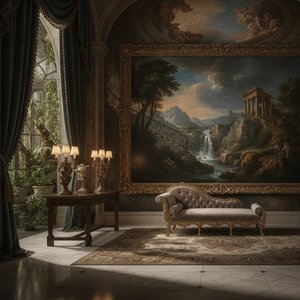
Baroque Landscapes: A Procurement Guide to Dramatic Depth and Grandeur for Professional Hotel Interiors
Elevate hospitality interiors with Baroque landscape reproductions. Our guide for hotel designers covers sourcing hand-painted oils, multi-panel layouts, and large-scale murals to create dramatic, high-end spaces with reliable bulk procurement and global shipping.

Barokkens Drama: Hvordan Storhed og Emotion Bringes Ind i Moderne Interiører
Dyk ned i barokkunstens verden! Lær om stilens historie, karakteristika og hvordan du integrerer dens drama og elegance i dit moderne hjem. Inspiration & ekspertrådgivning.

Embrace the Drama: A Guide to Baroque Dynamism and Chiaroscuro for Sophisticated Modern Interiors
Discover how to transform your home with the dramatic elegance of Baroque art. Learn to master chiaroscuro, integrate bold oil reproductions, and use light and shadow to create a luxurious, high-impact modern interior with expert design guidance.
