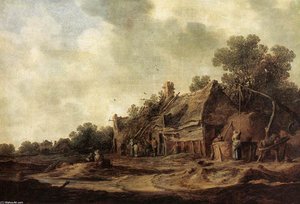
Se i rummet
 Send
Send Del
Del
 Detaljer
 Studieguide til kunstværker

 Download
 Lignende værker
 Røntgenundersøgelse
 Se diasshow
 Statistik
Landscape with Oak
 Oil On Canvas
- WallArt
- Dutch Golden Age Landscape
 1634
1634 87.0 x 105.0 cm
 Hermitage Museum
 Læs mere
Giclée / Kunsttryk
Giclée- eller lærredstryk i museumskvalitet med hurtig produktion og fleksible muligheder for finish. ( Bestil håndmalet reproduktion Skift til digitalt billede)




P118B $10

P118H $10

P118W $10

P438Z $10

P508JH $12

P508YH $12

P805H $10

P805Z $10

P919BZ $10

P919G $10

P919XJ $10

P959ZH $10

P968JZ $12

W106C $8

W218G $10

W218JH $8

W218Y $10

W307PJ $10

W316G $10

W316PJ $8

W316Y $10

W398PJ $8

W4111J $10

W500HY $15

W500JH $15

W692G $12

W849H $8

W940BG $15

W953PJ $8




Vælg mellem vores forudindstillede størrelser, der matcher kunstværkets originale proportioner.

Du kan indtaste dine egne mål for at passe til en specifik ramme eller et bestemt område. Hvis den valgte størrelse ikke stemmer overens med det originale billedes proportioner, vil vi enten beskære kunstværket eller udvide billedet med en spejlet eller ensfarvet kant. En digital mockup vil blive sendt til din godkendelse, før produktionen påbegyndes.
Bemærk venligst, at forhåndsvisningen på skærmen ikke afspejler den faktiske beskæring eller udvidelse. Kun mockuppen vil nøjagtigt vise den endelige komposition.
Selvom specialmål er tilgængelige, anbefaler vi at vælge et mål fra den foruddefinerede liste for at bevare de originale proportioner.
Verdensomspændende levering () på 2 uger i stedet for de sædvanlige 4/5 uger. (25 september)

Gratis ekspresforsendelse til hele verden

Lærred af linned i høj kvalitet

Komplet transportforsikring

Garanti for refusion af told og importafgifter

Garanti for autentisk farvegengivelse

100 dages returret ved fabrikationsfejl

100% fuld returret

Mængderabat ved flere køb
 Glasmulighed er kun tilgængelig i størrelser under 110 cm

Landscape with Oak
Giclée / Kunsttryk
Reproduktionsstørrelse
-


Samlet pris
$ 81
A Serene Dutch Landscape: Jan van Goyen’s “Landscape with Oak”
Jan Josephszoon van Goyen's "Landscape with Oak," painted in 1634, is more than just a depiction of a rural scene; it’s a masterful distillation of the Dutch Golden Age’s fascination with light, atmosphere, and the quiet beauty of the natural world. This oil on canvas, now residing within the esteemed collection of the Hermitage Museum in St. Petersburg, offers a profound glimpse into the artist's unique approach to landscape painting – one characterized by subtle tonal variations, an almost meditative stillness, and a remarkable ability to evoke a sense of place.
Van Goyen’s style, developed over decades of diligent observation and practice, moved away from the opulent detail favored by some of his contemporaries. Instead, he embraced a more restrained palette – primarily grays, browns, and greens – skillfully layering thin washes of paint to create an illusion of depth and distance. The oak tree itself dominates the composition, its gnarled branches reaching skyward like ancient arms, while a small thatched cottage nestles amongst the rolling hills in the background. The artist’s genius lies not in dramatic contrasts or bold colors, but in his ability to capture the fleeting effects of light on water and foliage – a technique honed through years of studying nature directly from life.
Historical Context and Artistic Influences
To understand “Landscape with Oak,” it's crucial to consider its historical context. The early 17th century in the Netherlands was a period of immense prosperity, fueled by trade and burgeoning artistic patronage. Dutch landscape painting, particularly during this era, wasn’t solely about documenting reality; it often carried symbolic weight, reflecting on themes of faith, morality, and the relationship between humanity and nature. Van Goyen's work aligns with this broader cultural context, offering a serene vision of rural life that resonated deeply with his audience.
Van Goyen’s artistic development was significantly shaped by his early training under Esaias van de Velde in Haarlem. However, he quickly established his own distinctive style, prioritizing atmospheric perspective and the subtle nuances of light and shadow. His meticulous observation of Dutch landscapes – from the canals of Leiden to the fields surrounding Delft – informed a body of work that is both deeply rooted in tradition and remarkably innovative.
Decoding the Symbolism
While seemingly simple, “Landscape with Oak” is rich in symbolic meaning. The oak tree itself represents strength, longevity, and connection to the earth—a potent symbol frequently employed in Dutch art. The small cottage suggests a humble existence, reflecting the values of hard work and piety prevalent during the period. The distant hills and sky contribute to a sense of vastness and timelessness, inviting contemplation on the enduring beauty of nature.
Furthermore, the muted color palette contributes to the painting’s overall mood of tranquility and introspection. The absence of vibrant hues reinforces the idea that true beauty lies not in ostentatious display but in quiet observation and appreciation for the subtle details of the natural world. The composition invites the viewer to step into this serene landscape and experience a moment of peaceful reflection.
A Timeless Masterpiece: Reproduction and Beyond
Reproductions of “Landscape with Oak” offer an accessible way to bring this iconic work into your home or office. Whether you choose a high-quality print on canvas, paper, or metal, the painting’s atmospheric qualities and evocative symbolism will continue to captivate viewers for generations to come. Van Goyen's ability to capture the essence of Dutch landscapes remains remarkably relevant today, reminding us of the enduring power of nature to inspire and uplift.
Consider this artwork as more than just a decoration; it’s a window into a bygone era—a testament to the artistic skill and cultural values of the Dutch Golden Age. It's an invitation to slow down, appreciate the beauty around us, and find solace in the simple pleasures of life.
Om kunstneren
Jan van Goyen (1596 - 1656)
Jan Josephszoon van Goyen var en dansk maler og graver, én af de mest talentfulde landskabsmalerne i Nederlandene under den tidlige 17. århundrede. Han blev født den 13. januar 1596 i Leiden og begyndte sin kunstneriske træning som ung mand ved at lære hos Esaias van de Velde i Haarlem allerede omkring år 1616. Denne grundlæggende uddannelse viste sig afgørende for hans kunstneriske udvikling, hvilket førte til en stil der var både innovativ og præget af et dybtgående forhold til den nederlandske natur.Kunststil og Udvikling
- Van Goyens kunststil er straks genkendelig ved sin enkelhed, subtile tonevariationer og brug af en begrænset palet – primært gråtoner, brune nuancer og grønne farver. Han var blandt de første til at omfavne denne stil og skubbe landskabsmaleriet mod mere realistiske og atmosfæriske perspektiver.
- Hans tidlige værker viser indflydelse fra Van de Velde, men han udviklede hurtigt sin egen unikke stil, hvor fokus lå på at fange essensen af det nederlandske landskab. Han var særligt interesseret i hvordan lys og atmosfære blev gengivet på billederne.
Produktivitet og Kendte Arbejder
- Van Goyen var en ekstremt produktiv kunstner, hvor han skabte omkring 1.200 malerier og over 1.000 tegninger gennem hele sit liv. Hans mest ikoniske værker inkluderer blandt andet *Flodlandskab med mølle*, hvilket er et perfekt eksempel på hans gråtonede landskaber, samt *Fiskere ved søens bred*, hvor han viser sin evne til at male rolige vandscener. Han malede ofte scener af floder, søer og sanddyner, hvilket gav ham mulighed for at fange den særlige karakter af det nederlandske landskab.
Indflydelse og Eftermæle
- Selvom han blev påvirket af Van de Velde var hans egen kunstværk meget indflydelsesrig. Han havde direkte kontakt med kunstnere som Jan Steen, der var en af hans elever og som senere blev kendt for sine genrebilleder. Hans fokus på realismen og atmosfæren førte vejen for senere landskabsmalerier og gjorde ham til en vigtig figur i udviklingen af kunsthistorien.
Økonomiske Vanskeligheder og Senere Liv
- På trods af hans kunstneriske succes kæmpede Van Goyen økonomisk gennem hele sit liv. Han beskæftigede sig med forskellige virksomheder, herunder tulipanhandel under Tulip Mania og ejendomsinvesteringer, hvilket ofte førte til betydelige gældsbeløb. På trods af dette døde han insolvent den 27. april 1656 i Haag efter en længere kamp mod sygdom og økonomiske problemer. Han efterlod sig sin kone og børn i en prekær situation og blev husket som en kunstner, der selvom han var dygtig og kreativ, ikke fik fuldt ud udtryk for sit talent i løbet af hans aktive år.
- Van Goyens arbejde anses for at være et fundament for nederlandsk kunsthistorie og en værdifuld bidrag til udviklingen af landskabskunst. Han fik lov til at fange ånden i det 17. århundrede, hvilket afspejlede landet økonomisk vækst og dets forbindelse til jorden. Hans innovative teknikker og realistiske gengivelser fortsætter med at inspirere kunstnere og fascinere publikum selv efter flere hundreder år.

Jan van Goyen
1596 - 1656 , Holland
Hurtige fakta
- Artistic Movement Or Style: Dutch Gouden Eeuw schilderkunst
- Artists Or Movements Influenced By This Artist: Jan Steen
- Artists Who Influenced This Artist: Esaias van de Velde
- Date Of Birth: 13 januar 1596
- Full Name: Jan Josephszoon van Goyen
- Nationality: Nederlandsk
- Notable Artworks:
- Rivierlandschap met windmolen
- Fishermen by the Lakeshore
- Place Of Birth: Leiden, Nederland
Relaterede artikler

Rembrandts Mesterværker: Top 25 Kunstværker til Din Væg – OriginalUniqueArt.dk
Oplev Rembrandts 25 mest ikoniske kunstværker! Fordyb dig i historierne bag 'Nattevagten', hans selvportrætter og bibelske motiver. Find museumskvalitets reproduktioner & inspiration til din væg på OriginalUniqueArt.com.
Cornelis van Poelenburch: Bridging Mannerism & the Dutch Baroque Landscape
Discover Cornelis van Poelenburch, a pivotal Dutch Baroque landscape painter bridging Mannerism & Italianate styles. Explore his life, key works, and lasting influence on 17th-century art with OriginalUniqueArt.

Golden Light & Dutch Skies: The Timeless Magic of Dutch Golden Age Landscapes
Discover the breathtaking beauty of Dutch Golden Age landscapes. Explore the mastery of light, chiaroscuro, and 17th-century realism through an expert art history lens, celebrating the enduring legacy of the Dutch Masters for discerning collectors and art lovers.

Jan van Goyen: Master of Dutch Landscape & Atmospheric Perspective
Discover Jan van Goyen, the master of Dutch landscape painting. Explore his subtle technique, atmospheric realism & lasting influence on art history. Learn about this 17th-century pioneer at OriginalUniqueArt.
Jacob van Ruisdael: Master of Dutch Landscape & the Evocation of National Identity
Explore the life & work of Jacob van Ruisdael, the preeminent Dutch landscape painter. Discover his technical brilliance, symbolic depth, and lasting influence on art history. Learn about collecting Ruisdael's masterpieces.