

 Se i rummet
 Send
Send Del
Del
 Detaljer
 Studieguide til kunstværker

 Download
 Lignende værker
 Røntgenundersøgelse
 Se diasshow
 Statistik
David de Ruyter

 Læs mere
Køb et højopløst, optimeret digitalt billede i en kvalitet, der er langt overlegen i forhold til online-forhåndsvisningen.
Hver fil er omhyggeligt forberedt af vores interne specialister ved hjælp af avancerede værktøjer og ekspertmæssig manuel retuschering. Vi sikrer, at hvert billede har enestående klarhed, præcis farvegengivelse og fine detaljer.
Den endelige fil leveres via e-mail inden for 72 timer og er optimeret til øjeblikkelig brug i professionelle, redaktionelle og trykte miljøer. Det er den samme kvalitet, som førende designstudier, forlag og gallerier har tillid til.
Digitalt billede
Download en højopløselig fil til personlig fremvisning, print og kreative projekter. ( Skift til printversion Bestil håndmalet reproduktion)
Inkluderet i alle ordrer på digitale billeder
Professionel digital levering, garanteret
Når du vælger OriginalUniqueArt.com, får du ikke blot et billede – du modtager et professionelt optimeret digitalt kunstværk, skabt med præcision og sikret med en tilfredshedsgaranti. Her er alt, hvad din ordre automatisk indeholder:

Hurtig levering via e-mail
Din højtopløselige digitale billedfil sendes til din e-mail inden for 72 timer efter bestilling – klar til øjeblikkelig brug.

AI-forbedret digital fil
Dit kunstværk optimeres professionelt ved hjælp af avancerede AI-værktøjer og manuel redigering, hvilket sikrer maksimal detaljegrad, klarhed og farvenøjagtighed.

Gratis livslang genlevering
Har du ved en fejl slettet eller mistet din fil? Ingen bekymring – vi sender den igen til enhver tid, helt gratis.

Ingen importgebyrer – nogensinde
Nyd dit kunstværk med det samme uden told, afgifter eller leveringsgebyrer – digitale downloads er altid skattefrie.

Garanteret farvenøjagtighed
Vi sikrer, at dit digitale billede gengiver de originale farver så præcist som muligt ved hjælp af professionelle værktøjer og farvestyring.

100 dages tilfredshedsgaranti
Hvis du ikke er tilfreds med dit digitale billede, vil vi revidere det eller refundere 100% inden for 100 dage – uden spørgsmål.

100% Pengene tilbage-garanti
Ik tilfreds? Få fuld refusion inden for 100 dage efter modtagelse af din digitale fil – uden spørgsmål.

Mængderabat ved storkøb
Køb 3 billeder, spar 10% - Køb 5, spar 15% - Køb 10+, spar 20%. Ideelt til kreative projekter, gallerier og bureauer.
Kunstnerbiografi
Jan Anthonisz van Ravesteyn: A Master of Dutch Baroque Portraiture
Jan Anthonisz van Ravesteyn (c. 1572 – 1657) stands as a significant, yet often understated, figure in the vibrant world of 17th-century Dutch art. Born in The Hague, he emerged during a period of immense artistic flourishing—the Dutch Golden Age—and quickly established himself as a favored portraitist for the prestigious House of Nassau and other prominent families. His work offers a captivating glimpse into the lives and aspirations of the nobility, distinguished by a remarkable realism and an astute understanding of psychological nuance. Unlike some of his contemporaries who sought grand historical narratives, van Ravesteyn primarily focused on capturing the individual character of his subjects, imbuing each portrait with a sense of immediacy and intimacy.Early Life and Training
The precise details of van Ravesteyn’s early life remain somewhat elusive, shrouded in the typical gaps of historical records for artists of that era. It is believed he was born in The Hague, though his birthplace remains uncertain. His artistic training is equally debated; while some speculate a direct apprenticeship with Michiel Jansz van Mierevelt—a leading portraitist of the time—the evidence is circumstantial. What *is* clear is that van Ravesteyn quickly gained recognition within the Guild of St. Luke in The Hague, joining in 1598 and demonstrating considerable skill early on. This association with Mierevelt undoubtedly shaped his approach to portraiture, emphasizing naturalism and a keen observation of human form. His marriage in 1604 to Anna Arentsz van Berendrecht solidified his position within the city’s social fabric, further enhancing his opportunities for commissions.The Patronage of the House of Nassau
Van Ravesteyn's career truly flourished through his association with the House of Nassau, one of the most influential families in the Netherlands at the time. He became a trusted portraitist for various members—including Justinus van Nassau and later, his sons—and produced a substantial body of work commissioned by their court. These portraits weren’t merely formal representations; they were carefully crafted studies intended to project power, status, and lineage. The meticulous attention to detail – the rich fabrics, the subtle expressions, the intricate jewelry – all served to elevate the sitter and reinforce their position within the social hierarchy. Notably, he was commissioned to paint Hugo Grotius, a prominent philosopher and statesman, further cementing his reputation as a court artist of considerable standing.Style and Technique
Van Ravesteyn’s artistic style is characterized by a remarkable realism achieved through careful observation and skillful execution. He possessed an exceptional ability to render textures—the velvet of a gown, the sheen of polished metal, the delicate folds of fabric—with astonishing accuracy. His portraits are not idealized; rather, they present subjects in their natural state, capturing both their beauty and their imperfections. He employed a relatively dark palette, utilizing chiaroscuro – the dramatic contrast between light and shadow – to create depth and volume within his compositions. This technique heightened the sense of realism and drew attention to key features of the sitter’s face and clothing. His brushwork is generally smooth and controlled, contributing to the overall polished appearance of his portraits. He was a master of capturing fleeting expressions, conveying subtle emotions through minute shifts in the eyes or mouth.Legacy and Influence
Jan Anthonisz van Ravesteyn’s contribution to Dutch Baroque art is often overlooked compared to some of his more flamboyant contemporaries, but his influence on portraiture during the 17th century is undeniable. He demonstrated a remarkable ability to capture the essence of his subjects, creating portraits that are both visually stunning and psychologically insightful. His work served as a model for subsequent generations of Dutch artists, particularly in the realm of portraiture. His association with the Confrerie Pictura, a group of influential artists dedicated to artistic innovation and intellectual discourse, further solidified his place within the cultural landscape of the time. While he may not be as widely celebrated as Michiel Jansz van Mierevelt or Rembrandt, Jan Anthonisz van Ravesteyn remains a vital link in the chain of Dutch Baroque portraiture, offering a valuable window into the lives and aspirations of the elite during a transformative period in European history. His portraits continue to resonate with viewers today, revealing not only the outward appearance of his subjects but also their inner character and place within the world.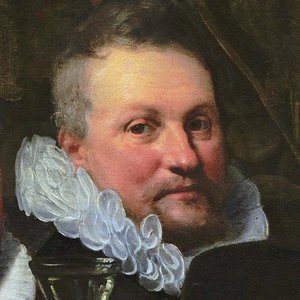
Jan Anthonisz Van Ravesteyn
1572 - 1657
Hurtige fakta
- Full Name: Jan Anthonisz van Ravesteyn
- Nationality: Dutch
- Date Of Birth: 1572
- Date Of Death: 1657
- Place Of Birth: The Hague, Netherlands
- Notable Artworks:
- Self-portrait (1618)
- Portrait of Nicolaas Cromh
- Artistic Movement Or Style: Baroque portraiture
- Artists Who Influenced This Artist: ['Michiel Jansz Mierevelt']
- Artists Or Movements Influenced By This Artist:
- House of Nassau
- Dutch Golden Age art