 Se i rummet
 Del som kort
 Del
Del
 Detaljer
 Guide
Guide

 Download
 Lignende værker
 Røntgenundersøgelse
 Diasshow
 Spørgsmål og svar
 Statistikker
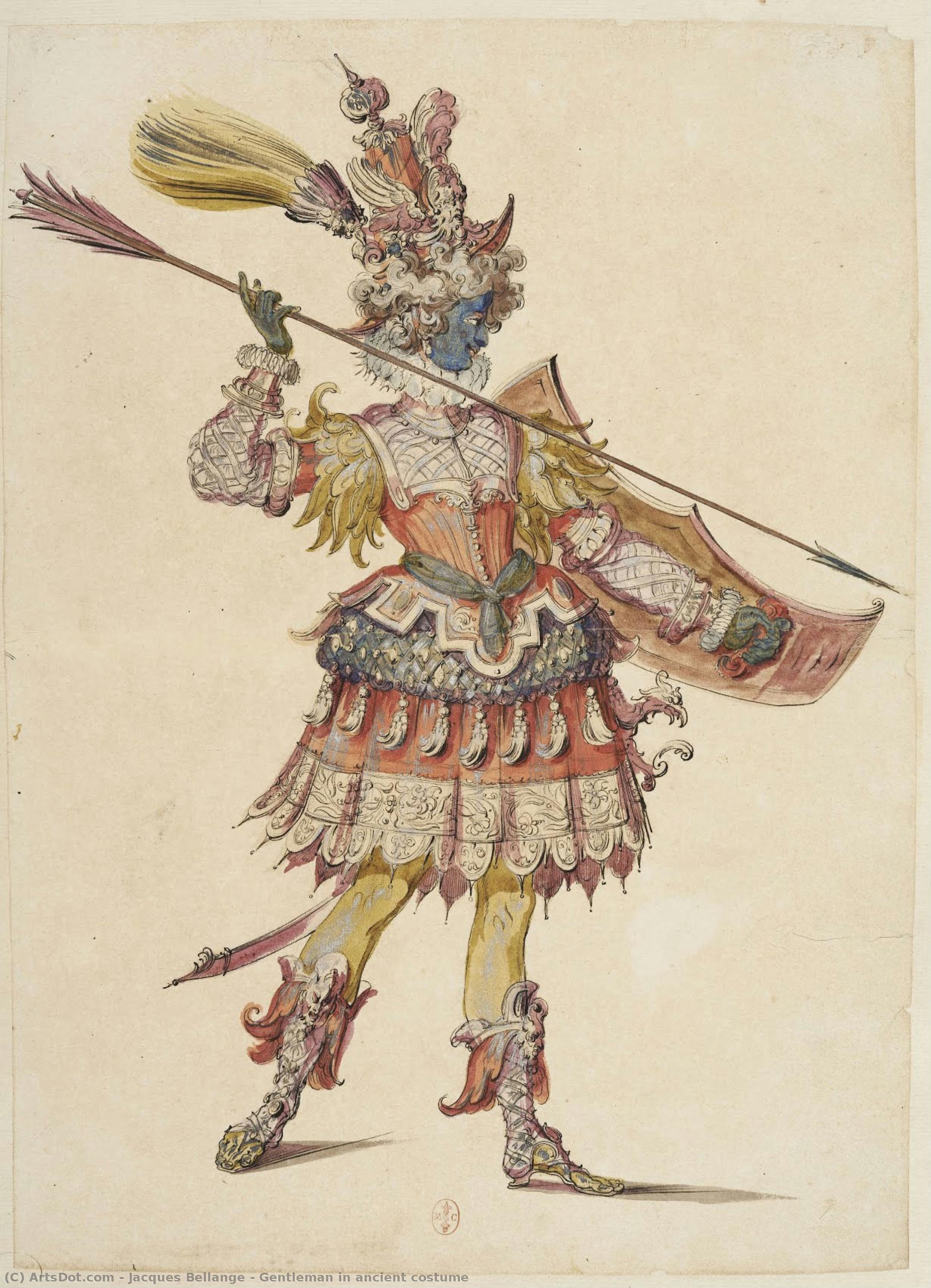
Gentleman in ancient costume


 Vis mere
Giclée / Kunsttryk
Giclée- eller lærredstryk i museumskvalitet med hurtig produktion og fleksible muligheder for finish. ( Køb håndmalet maleri Skift til digitalt billede)




P118B Dkr10

P118H Dkr10

P118W Dkr10

P438Z Dkr10

P508JH Dkr12

P508YH Dkr12

P805H Dkr10

P805Z Dkr10

P919BZ Dkr10

P919G Dkr10

P919XJ Dkr10

P959ZH Dkr10

P968JZ Dkr12

W106C Dkr8

W218G Dkr10

W218JH Dkr8

W218Y Dkr10

W307PJ Dkr10

W316G Dkr10

W316PJ Dkr8

W316Y Dkr10

W398PJ Dkr8

W4111J Dkr10

W500HY Dkr15

W500JH Dkr15

W692G Dkr12

W849H Dkr8

W940BG Dkr15

W953PJ Dkr8




Vælg mellem vores forudindstillede størrelser, der matcher kunstværkets originale proportioner.

Indtast den bredde og højde, du har brug for, så det passer til din ramme eller din væg. Et print kan kun beskæres, aldrig gøres større end selve billedet, så en størrelse med et andet format vil medføre, at dele af motivet går tabt. Vi sender dig en digital mockup til godkendelse, før vi printer noget. Billedet vist på denne side viser ikke den faktiske beskæring — det er kun mockuppen, der gør.
Verdensomspændende levering () på 2 uger i stedet for de sædvanlige 4/5 uger. (7 november)

Gratis ekspresforsendelse til hele verden

Lærred af linned i høj kvalitet

Fuld transportforsikring

Garanti for refusion af told og importafgifter

Garanti for præcis farvegengivelse

100 dages returret ved fabrikationsfejl

100% fuld returret

Mængderabat ved flere køb
 Glasmulighed er kun tilgængelig i størrelser under 110 cm

Gentleman in ancient costume
Giclée / Kunsttryk
Størrelse på reproduktion
-


Samlet pris
Dkr 541
A Vision of Noble Resolve: Exploring Jacques Bellange’s “Gentleman in Ancient Costume”
Jacques Bellange, a luminary of Northern Mannerism—a movement that wrestled with profound psychological complexities and celebrated dramatic visual impact—stands as an enigmatic figure within the annals of Lorraine’s artistic heritage. Despite leaving no canvases bearing his signature, Bellange's etchings have achieved enduring renown, securing him a prominent position amongst the most influential artists of his time and resonating powerfully with collectors globally. The rediscovery of his oeuvre in the 20th century catalyzed renewed scholarly interest, cementing his legacy as an artist singularly devoted to capturing the spirit of his era—a testament to the transformative power of printmaking. The Artwork Itself: A Portrait Steeped in Symbolism “Gentleman in Ancient Costume” presents a striking depiction of a man adorned in regal attire reminiscent of classical antiquity. The image portrays him confidently holding aloft a shield emblazoned with heraldic symbols – likely representing his lineage and status—and gripping a spear, signifying strength and preparedness for defense. Notably, he stands on one leg, an arresting compositional choice that lends the figure an air of solemn dignity and deliberate poise. Bellange’s meticulous attention to detail extends beyond mere representation; every line and shading contributes to conveying an inner state of contemplation and resolute determination. The vibrant palette—primarily dominated by earthy reds and browns accented with flashes of gold—reflects the stylistic conventions of Mannerism, prioritizing expressive color over naturalistic accuracy. Northern Mannerism: Artistic Expression Amidst Uncertainty Born around 1575 in Bassigny (likely La Mothe), Jacques Bellange’s biographical details remain elusive, mirroring the broader anxieties and intellectual ferment characteristic of Northern Europe during the early 17th century. The siege of Lorraine by French armies in 1645 tragically obliterated his hometown, erasing tangible traces of his life and family history—a poignant reminder of the fragility of existence within turbulent times. Nevertheless, Bellange’s artistic output speaks volumes about the movement's core tenets: a preoccupation with psychological realism, achieved through stylized figures and distorted perspectives; and an embrace of dramatic contrasts to heighten emotional intensity. This stylistic approach sought to grapple with existential questions—questions of faith, mortality, and human experience—amidst the backdrop of religious Reformation and political upheaval. Technique & Craftsmanship: The Art of Etching – A Legacy Preserved Bellange’s mastery lay primarily in etching—a technique that allowed for unparalleled precision and tonal subtlety. He employed a stylus to incise lines onto copper plates, creating a matrix from which multiple impressions could be produced. Subsequent application of acid selectively removed metal from the plate surface, revealing the etched lines beneath – a process demanding considerable skill and patience. The resulting prints achieved astonishing clarity and depth, capturing nuances of light and shadow that would have been unattainable with oil paint alone. This meticulous craftsmanship ensured that Bellange’s artistic vision endured beyond his lifetime, guaranteeing the preservation of his distinctive style for generations to come. Concluding Reflections: An Echo of Timeless Beauty “Gentleman in Ancient Costume” transcends mere visual representation; it embodies the spirit of Northern Mannerism—a movement dedicated to confronting profound truths about human existence. Bellange’s work invites contemplation on themes of nobility, courage, and inner fortitude, mirroring the anxieties and aspirations of his era. Its enduring appeal lies not only in its technical brilliance but also in its ability to evoke a visceral emotional response – a reminder that art possesses the capacity to transcend time and connect us to the deepest recesses of human consciousness. Reproductions of this captivating artwork offer an opportunity to experience firsthand the legacy of Jacques Bellange, a singular voice whose etchings continue to inspire awe and admiration.Spørgsmål og svar
Hvor placerer "Gentleman in ancient costume" sig i forhold til Jacques Bellanges samlede værk?
"Gentleman in ancient costume" er et værk fra Jacques Bellanges Northern Mannerism-periode, hvis gennemgående temaer inkluderer religious symbolism, mannerist style, lorraine tradition, psychological depth, printmaking legacy.
Hvilken følelse formidler "Gentleman in ancient costume" af Jacques Bellange?
I "Gentleman in ancient costume" ledsages en Dramatic stemning af en Dramatic følelse.
Hvordan forenes medie og bevægelse i "Gentleman in ancient costume"?
"Gentleman in ancient costume" af Jacques Bellange kombinerer Acrylic On Canvas-teknikken med Northern Mannerism-stilen. Teknik og stilart beskriver værkets fremstilling og æstetiske udtryk.
Kunstnerbiografi
A Shadowy Master of the Northern Mannerist Spirit
Jacques Bellange remains one of the most enigmatic and captivating figures in the history of European printmaking. A master of the Northern Mannerist style, his life was lived in the twilight of the late Renaissance, a period defined by elongated forms, theatrical tension, and an almost feverish psychological intensity. Though much of his personal biography remains shrouded in the mists of the early 17th century, his artistic legacy is vibrantly clear through the intricate lines of his etchings. Born around 1575 in the Bâse-les-Vosges region of France, Bellange emerged from a landscape of shifting borders and intense religious fervor, eventually finding his creative home within the sophisticated courtly circles of Nancy.
The traces of his early life are as delicate and elusive as his etchings. While historical records regarding his family origins are sparse, scholars often point to his rapid ascent within the Duchy of Lorraine as evidence of a significant, perhaps even noble, connection. There is much speculation that he may have been the illegitimate son of a high-ranking patron, a theory supported by the prestigious title of "knight" attributed to him and his seamless integration into the court of the Dukes of Lorraine. By 1595, he was already established in La Mothe, honing a craft that would soon transform the medium of printmaking into a vehicle for profound emotional expression.
The Elegance of the Lorraine Court
Bellange’s career reached its zenith under the patronage of Henri II and Philippe III, the Dukes of Lorraine. This period of courtly stability provided him with the luxury of time and resources, allowing him to refine a technique that was uniquely his own. Unlike many of his contemporaries who focused on the clarity of the High Renaissance, Bellange embraced the complexities of Mannerism. His work is characterized by a restless energy, where figures seem to twist and writhe with an almost supernatural grace. In the halls of Nancy, he developed a visual language that blended the sacred with the profane, creating works that were as much about the human psyche as they were about religious devotion.
His mastery of the etching needle allowed him to manipulate light and shadow with unprecedented drama. Through the meticulous use of hatching and cross-hatching, he could conjure textures ranging from the heavy folds of ancient drapery to the weathered skin of a street performer. This technical prowess is perhaps most evident in his ability to imbue even the simplest subject with a sense of profound mystery. Whether depicting a noble figure or a common musician, Bellange’s hand is unmistakable, leaving behind a trail of silvery, luminous lines that seem to vibrate with life.
A Legacy Etched in Light and Shadow
The true significance of Jacques Bellange lies in his ability to capture the ephemeral. His oeuvre serves as a window into a world of intense spiritual struggle and theatrical beauty. Some of his most enduring works demonstrate this range:
- The Three Marys at the Tomb: A striking example of his religious gravity, where dramatic figures and intricate details converge to create a moment of profound biblical tension.
- Hurdy-Gurdy Player: A masterpiece of character study, showcasing his ability to use complex linework to capture the hunched, weary essence of a street musician, imbuing a common subject with deep psychological depth.
- Gentleman in Ancient Costume: An exploration of the Mannerist obsession with historical fantasy and stylized elegance, featuring a warrior adorned in attire that evokes a sense of mythic grandeur.
Though his life was cut short in 1616, Bellange’s influence endured far beyond the borders of Lorraine. His rediscovery in the 20th century brought a renewed appreciation for the expressive potential of the etched line and the enduring power of the Mannerist aesthetic. Today, he is celebrated not merely as a court artist, but as a pioneer who pushed the boundaries of printmaking, leaving an indelible mark on the history of Western art through his hauntingly beautiful, shadow-drenched visions.

Jacques Bellange
1575 - 1616 , France
Kort om kunstneren
- Full Name: Jacques Bellange
- Nationality: French
- Date Of Birth: 1575
- Date Of Death: 1616
- Place Of Birth: Bâse-les-Vosges, France
- Notable Artworks:
- Lamentation
- The Three Marys at the Tomb
- Gypsy with a Child
- Artistic Movement Or Style: Northern Mannerism
- Artists Who Influenced This Artist: ['Hendrik Goltzius']
- Artists Or Movements Influenced By This Artist: ['Renaissance']
Relaterede artikler
Beyond Perfection: The Dramatic Elegance and Intellectual Tension of Renaissance Mannerism
Explore the captivating world of Renaissance Mannerism. Discover how artists moved beyond High Renaissance harmony into a realm of elegant distortion, psychological tension, and dramatic beauty that bridged the gap to the Baroque era.

Top 10 Etserier der Ændrede Kunsten for Evigt | OriginalUniqueArt.dk
Oplev de 10 mest legendariske etserier, der revolutionerede kunsten! Fra Rembrandt til Goya – dyk ned i historien bag disse mesterværker og find inspiration til din indretning. Køb museumskvalitets kunsttryk på OriginalUniqueArt.dk og bring tidløs elegance ind i dit hjem. Udforsk samlingen online!

The Intricate World of Etching: A Historical Survey of Technique, Aesthetic Evolution, and Enduring Artistic Impact
Explore the rich history of etching, from its origins to modern practice. Discover techniques, key artists like Rembrandt, and insights for collectors. A comprehensive guide by OriginalUniqueArt.

Northern Mannerism: The Dramatic Evolution of European Art through Elegant Distortion and Tension
Explore the dramatic evolution of Northern Mannerism. Discover how 16th-century artists moved from Renaissance harmony to elegant distortion, tension, and complex symbolism in European art history.

Etching: A Historical Survey of Technique, Aesthetic Qualities & Enduring Artistic Significance
Explore the rich history of etching, from its origins to Rembrandt's masterful innovations. Discover the technique, aesthetic qualities & enduring legacy of this captivating art form. Expert insights for collectors and enthusiasts.