
 Se i fuld skala
 Del
Del Del
Del
 Detaljer

 Download
 Lignende værker
 Røntgenundersøgelse
 Diasshow
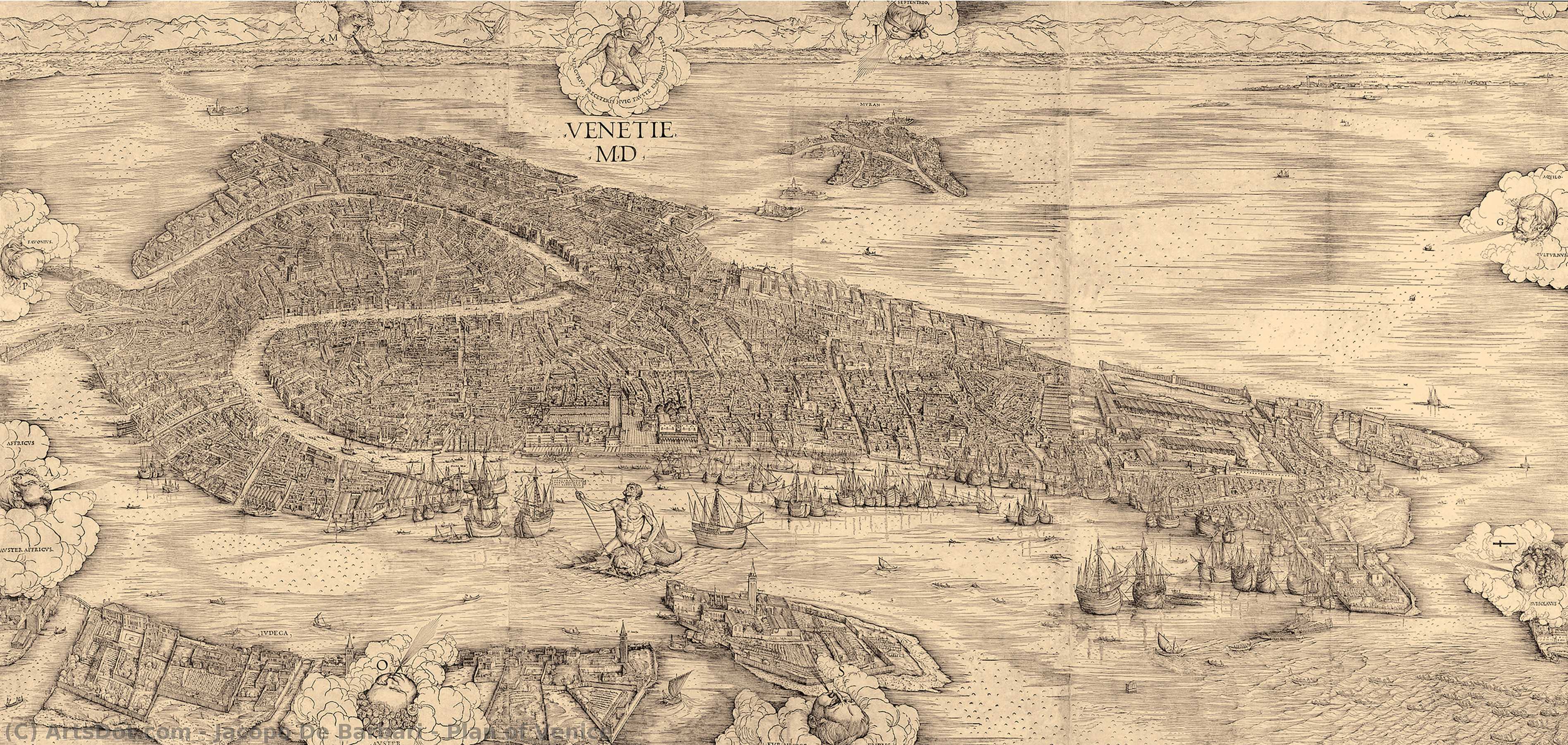
Plan of Venice
 Oil On Board
- Renaissance
 1500
1500- Renaissance
 135.0 x 282.0 cm
 Museo Correr
 Se mere
Håndlavet oliereproduktion
Håndmalet olie på lærred i din valgte størrelse og ramme, udført efter bestilling af vores kunstnere. ( Køb print Køb billede)




P118B $10

P118H $10

P118W $10

P438Z $10

P508JH $12

P508YH $12

P805H $10

P805Z $10

P919BZ $10

P919G $10

P919XJ $10

P959ZH $10

P968JZ $12

W106C $8

W218G $10

W218JH $8

W218Y $10

W307PJ $10

W316G $10

W316PJ $8

W316Y $10

W398PJ $8

W4111J $10

W500HY $15

W500JH $15

W692G $12

W849H $8

W940BG $15

W953PJ $8




Vælg mellem vores forudindstillede størrelser, der matcher kunstværkets originale proportioner.

Du kan indtaste dine egne mål for at passe til en bestemt ramme eller plads. Hvis den valgte størrelse ikke stemmer overens med det originale billedes proportioner, vil vi enten beskære kunstværket eller udvide maleriet med yderligere håndmalede elementer. En digital skitse sendes til din godkendelse, før produktionen påbegyndes.
Bemærk venligst, at forhåndsvisningen på skærmen ikke afspejler den faktiske beskæring eller udvidelse. Kun skitsen vil nøjagtigt vise den endelige komposition.
Selvom specialmål er mulige, anbefaler vi at vælge en dimension fra den foruddefinerede liste for at bevare de originale proportioner.
Efter bestilling vil OriginalUniqueArt.com team sende en e-mail til kunden for at få instruktioner og levere et udkast til en skitse.
Levering i hele verden () på 3/4 uger i stedet for de standard 5 uger. (18 august). Ingen kompromiser med kvaliteten.

Gratis ekspresforsendelse til hele verden

Lærred af linned i høj kvalitet

Fuld transportforsikring

Garanti for refusion af told og importafgifter

Garanti for præcis farvegengivelse

60 dages returret (kun ved fabrikationsfejl)

100% Tilfredshedsgaranti

Mængderabat tilgængelig
 Glasmulighed er kun tilgængelig i størrelser under 110 cm

Plan of Venice
Reproduktionsmetode
Størrelse på reproduktion
-


Samlet pris
$ 300
Beskrivelse af kunstværket
A Bird's-Eye Vision of Renaissance Splendor
In the annals of Renaissance masterworks, few pieces command as much awe for their sheer scale and topographical precision as Jacopo De Barbari’s Plan of Venice. Created in 1500, this monumental achievement on wood serves as more than a mere map; it is a breathtaking aerial odyssey that transports the viewer to the very heart of the Venetian Republic at its zenith. As one gazes upon the intricate network of canals and islands, there is an immediate sense of being suspended above the Adriatic, witnessing a city that exists as much in the realm of myth as in physical reality. The painting captures a moment of profound historical equilibrium, where the bustling maritime commerce meets the serene architectural grandeur of a rising empire.
The composition is a triumph of early perspective and meticulous detail. De Barbari employs a technique that anticipates the modern panoramic view, guiding the eye through a labyrinth of waterways, bridges, and majestic basilicas. Each structure, from the smallest residential palazzo to the most significant religious landmark, is rendered with an almost obsessive devotion to accuracy. This level of detail does not merely document the urban layout; it breathes life into the stone and mortar. One can almost hear the rhythmic splashing of oars as gondolas and merchant vessels navigate the canals, their presence adding a layer of kinetic energy to the otherwise static, frozen beauty of the cityscape.
The Intersection of Cartography and Artistry
Beyond its function as a historical document, the Plan of Venice is a profound exploration of the artist's ability to blend scientific observation with aesthetic grace. During this era, the boundaries between cartography and fine art were beautifully blurred, and De Barbari stands as a pioneer of this intersection. The technique used to execute such a vast landscape on wood requires immense discipline, ensuring that the delicate interplay of light and shadow across the Venetian facades remains consistent throughout the sprawling canvas. This mastery of light creates a sense of atmosphere, suggesting the humid, shimmering air of the lagoon and the way sunlight dances upon the undulating water.
For the discerning collector or interior designer, this artwork offers an unparalleled opportunity to introduce a sense of historical depth and intellectual sophistication into a space. The sheer scale of the original work—measuring 135 x 282 cm—provides a dramatic focal point that can anchor a room, whether it be a grand library, a formal dining hall, or a contemporary living suite. A high-quality oil reproduction of this masterpiece allows the timeless elegance of the Renaissance to permeate modern interiors, offering a window into a lost world of maritime glory and architectural perfection.
A Legacy of Cultural Heritage
The historical significance of De Barbari’s work cannot be overstated. It serves as a vital window into the 15th-century Venetian psyche—a period defined by cultural flourishing, economic prosperity, and an unparalleled confidence in urban design. To possess a reproduction of this plan is to hold a piece of the very soul of Venice. The painting does not merely depict buildings; it celebrates the triumph of human ingenuity over the challenging environment of a marshy archipelago.
As we look upon this masterpiece today, housed in the esteemed Museo Correr, we are reminded of the enduring power of traditional craftsmanship. The Plan of Venice continues to inspire awe, acting as a bridge between the historical reality of a powerful maritime state and the eternal beauty of artistic vision. It remains an essential subject for those who find inspiration in the intersection of history, geography, and the sublime artistry of the Renaissance masters.
Kunstnerens biografi
Jacopo de' Barbari: A Venetian Pioneer of Illusionistic Art
Jacopo de’ Barbari remains an enigmatic figure in Renaissance art history, shrouded in mystery regarding his birthdate and early life. Estimates place him between 1450 and 1470, though definitive proof is elusive. Contemporary accounts describe him as “old and weak” by 1511, suggesting a later date of origin—a fascinating paradox considering his remarkable artistic output during his lifetime. While Venetian origins are widely accepted based on biographical details like Albrecht Dürer’s reference (“van venedig geporn”), scholarly debate persists concerning his Germanic connections, ultimately pointing to an Italian heritage substantiated by surviving documents addressed to Germans. His formative years remain largely undocumented, though Alvise Vivarini is considered a possible mentor—a connection that underscores the artistic currents circulating within Venice at the time. Around 1500, he embarked on a transformative journey to Germany, where he served under Emperor Maximilian I in Nuremberg for a year and subsequently collaborated with Frederick III of Saxony in various locations between 1503 and 1505. This period cemented his reputation as “Jacop Walch,” reflecting the prevalent perception of Italians as foreigners within Germanic artistic circles. He continued his artistic endeavors at the court of Joachim I of Brandenburg from 1506 to 1508, demonstrating a consistent commitment to expanding his creative horizons. Barbari’s artistic breakthrough arrived in Nuremberg, where he produced his celebrated “Still Life with Fruits and Insects,” arguably the first instance of trompe l'oeil since antiquity—a technique that deliberately deceives the eye by creating illusions of depth and perspective. This groundbreaking approach was profoundly influenced by Andrea Mantegna and Albrecht Dürer, artists whose mastery of linear perspective and illusionistic rendering served as models for Barbari’s own stylistic innovations. His engravings, numbering twenty-nine, were equally influential, capturing the spirit of the Renaissance with meticulous detail and conveying a sense of realism that surpassed previous artistic conventions. Notably, his monumental woodcuts—particularly “The Triumph of Death”—became iconic representations of mortality and humanist thought, cementing Barbari’s place as one of the foremost printmakers of his era. By 1510, Barbari was actively engaged in artistic commissions for Philip II of Burgundy and Margaret Tudor, demonstrating his versatility across mediums and signaling a shift towards collaborative projects within the burgeoning Netherlandish Renaissance. His final years were marked by illness and culminated in a poignant testament—a gesture reflecting both vulnerability and an unwavering dedication to his craft. The Archduchess Margaret’s generous pension underscored the recognition of Barbari's artistic legacy, securing him a place among the luminaries of his time. He died before 1516, leaving behind a body of work that continues to inspire admiration for its technical brilliance and conceptual depth—a testament to Jacopo de’ Barbari’s enduring contribution to Renaissance art and visual culture.
jacopo de barbari
1460 - 1516
Kort om kunstneren
- Artistic Movement Or Style: Trompe l'oeil & Woodcuts
- Artists Or Movements Influenced By This Artist: ['Renaissance Art']
- Artists Who Influenced This Artist:
- Mantegna
- Dürer
- Date Of Birth: c. 1460/70
- Date Of Death: before 1516
- Full Name: Jacopo de' Barbari
- Nationality: Italian
- Notable Artworks:
- The Triumph of Death
- Mantegna’s Lamentation
- Place Of Birth: Venice, Italy
Relaterede artikler

Giovanni Antonio Canal (Canaletto): A Venetian Master of Light, Space & Societal Observation
Explore the life & art of Giovanni Antonio Canal (Canaletto), a Venetian master renowned for his breathtaking cityscapes. Discover his techniques, legacy, and captivating depictions of 18th-century Venice & London.
Urban Visions: A Historical & Artistic Exploration of the Cityscape in Painting
Explore the evolution of cityscape painting from historical maps to Impressionist masterpieces. Discover artists like Caillebotte, Utrillo & Matsumoto Shunsuke. Find museum-quality reproductions at OriginalUniqueArt.
Urban Visions: A Historical & Artistic Exploration of the Cityscape in Painting
Explore the evolution of cityscape painting from historical maps to Impressionist masterpieces. Discover artists like Caillebotte & Utrillo. Find museum-quality reproductions at OriginalUniqueArt.
Serene Waters: Capturing the Magic of Canal Scenes in Fine Art
Embark on a visual journey through the tranquil beauty of canal scenes in fine art. Discover how master painters capture light, reflection, and serenity through impressionistic landscapes and timeless maritime masterpieces.

Capturing the Light of Amsterdam: A Journey Through Impressionist Masterpieces of the Dutch Canals
Embark on a visual journey through the luminous Amsterdam canals. Discover how Impressionist masters captured the fleeting light of the Dutch landscape through evocative brushwork and color. Explore the timeless beauty of these masterpieces for your private art collection.

