

 Se i rummet
 Send
Send Del
Del
 Detaljer
 Studieguide til kunstværker

 Download
 Lignende værker
 Røntgenundersøgelse
 Se diasshow
 Statistik
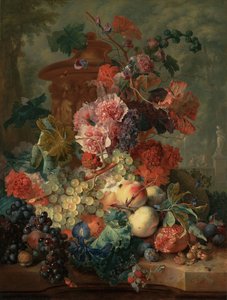
Majblomster
 Akryl på lærred
- Vægkunst
- Baroque Floral Style
 76.0 x 63.0 cm
 Fitzwilliam-museet
 Læs mere
Giclée / Kunsttryk
Giclée- eller lærredstryk i museumskvalitet med hurtig produktion og fleksible muligheder for finish. ( Bestil håndmalet reproduktion Skift til digitalt billede)




P118B Dkr10

P118H Dkr10

P118W Dkr10

P438Z Dkr10

P508JH Dkr12

P508YH Dkr12

P805H Dkr10

P805Z Dkr10

P919BZ Dkr10

P919G Dkr10

P919XJ Dkr10

P959ZH Dkr10

P968JZ Dkr12

W106C Dkr8

W218G Dkr10

W218JH Dkr8

W218Y Dkr10

W307PJ Dkr10

W316G Dkr10

W316PJ Dkr8

W316Y Dkr10

W398PJ Dkr8

W4111J Dkr10

W500HY Dkr15

W500JH Dkr15

W692G Dkr12

W849H Dkr8

W940BG Dkr15

W953PJ Dkr8




Vælg mellem vores forudindstillede størrelser, der matcher kunstværkets originale proportioner.

Indtast den bredde og højde, du har brug for, så det passer til din ramme eller din væg. Et print kan kun beskæres, aldrig gøres større end billedet, så en størrelse med en anden form vil miste en del af motivet. Vi sender dig en digital mockup til godkendelse, før vi printer noget. Billedet vist på denne side viser ikke den faktiske beskæring — det er kun mockuppen, der gør.
Verdensomspændende levering () på 2 uger i stedet for de sædvanlige 4/5 uger. (23 oktober)

Gratis ekspresforsendelse til hele verden

Lærred af linned i høj kvalitet

Komplet transportforsikring

Garanti for refusion af told og importafgifter

Garanti for autentisk farvegengivelse

100 dages returret ved fabrikationsfejl

100% fuld returret

Mængderabat ved flere køb
 Glasmulighed er kun tilgængelig i størrelser under 110 cm

Majblomster
Giclée / Kunsttryk
Reproduktionsstørrelse
-


Samlet pris
Dkr 532
Jacob van Huysum og Blomstens Elegance: Et Tidligt Eksempel på Botanisk Realisme
Jacob van Huysum (1687–1740) repræsenterer et højdepunkt inden for dansk kunsthistorie, primært kendt for sine fantastiske blomsterbilleder og hans centrale rolle i at forme den visuelle kode for videnskabelig illustration. Han blev født omkring 1688 i Amsterdam og var efterkommer af en kunstnerisk linje dybt rodfæstiget i Leidens kunsttradition – hans far, Justus van Huysum, og søn, Jan van Huysum, var begge selv prominente blomstermalere og etablerede dermed en familiær arv, der markant påvirkede kunsthistorien i Holland. Denne indflydelse udvidedes ud over blot efterligning; Jacob absorberede sin brors teknikker med finesse og skabte en distinkt stil kendetegnet ved bemærkelsesværdig detaljegrad og en ekstraordinær evne til at fange blomsternes flygtige skønhed. Hans arbejde blev ofte bestilt af samlere, der værdsatte præcise gengivelser af naturen og søgte efter kunstværker, der kunne fremkalde ærefulde følelser af harmoni og naturlig skønhed.- Om Kunstværket: ”Twelve Months of Flowers May” er et imponerende eksempel på botanisk realisme udført af Jacob van Huysum omkring 1730. Maleriet præsenterer en detaljeret blomsterbuket i vase, hvor fokus ligger på præcise gengivelser af blomsternes teksturer og farver – et resultat af kunstnerens dybe forståelse for botaniske principper og hans tekniske kunnen.
- Kunststil: Huysums stil var karakteriseret ved ekstrem nøjagtighed og en sans for detaljer, hvilket gjorde ham til en favorit blandt videnskabsmænd og samlere på sin tid. Han anvendte teknikker inspireret af Caravaggio og Rembrandt, hvor lys og skygge blev brugt strategisk til at skabe dybde og atmosfære i billedet.
- Historisk Kontext: Maleriet stammer fra den danske Gouda periode (ca. 1690-1740), hvor kunstnere var meget optaget af videnskabelig udforskning og botaniske studier. Blomsterbilleder blev ikke blot dekorative, men også vigtige værktøjer til dokumentation og præsentation af nye planter og blomsterarter – hvilket gjaldt særligt for Huysums arbejde.
- Symbolisme: Blomsterne i buketten repræsenterer ofte forskellige betydninger inden for kunstens historie og kultur. Rosen symboliserer kærlighed og ære, liljer står for renhed og kristendom, og andre blomster kan udtrykke glæde eller sorg – hvilket bidrager til billedets komplekse fortælling og følelsesmæssige appel.
- Emotionel Effekt: Maleriet fremkalder en følelse af ro og æstetisk behag, hvor blomsternes delikat struktur og farvepalette inviterer betragteren til at nyde øjeblikket og værdsætte skønheden i naturen. Det er et kunstværk, der kan inspirere til refleksion over livets cyklus og den konstante udvikling af verden omkring os.
Spørgsmål & svar
Hvordan relaterer motivet i "Majblomster" sig til Jacob van Huysums sædvanlige temaer?
Blandt Jacob van Huysums registrerede temaer – scientific observation, floral tradition, dutch aesthetic, botanical detail, huysum legacy – bringer "Majblomster" sit eget fokus på floral composition, botanical painting, dutch golden age, flower arrangement, light & shadow, detailed rendering, garden scene.
Hvilken teknik er brugt til "Majblomster" af Jacob van Huysum?
Jacob van Huysum brugte Akryl på lærred-teknikken til "Majblomster". Teknikken definerer det originale værks materielle karakter.
Er "Majblomster" af Jacob van Huysum et lyst eller et mørkt kunstværk?
Overordnet set er "Majblomster" registreret som skygge. Den oplevede lysstyrke beskriver, hvor lyst eller mørkt værket fremstår.
Om kunstneren
The Painter of Flowers: The Life and Legacy of Jacob van Huysum
In the grand tapestry of the Dutch Golden Age, few threads shine with as much delicate brilliance as the botanical works of Jacob van Huysim. A master of the ephemeral, he possessed an uncanny ability to freeze the fleeting vitality of a blossom within the permanence of oil on canvas. Born around 1688 in Amsterdam, Jacob was not merely an artist but a scion of a profound artistic dynasty. He descended from a lineage deeply rooted in the Leiden tradition, receiving his formative training under the watchful eye of his father, Justus van Huysum. This early immersion in the meticulous study of nature provided him with more than just technical skill; it instilled a scientific reverence for the natural world that would define his entire professional trajectory.
While his brother, Jan van Huysum, would also achieve immense fame, Jacob carved out a distinctive niche by blending the decorative elegance of still life with the rigorous precision of scientific illustration. His development was marked by an extraordinary command over texture and light, allowing him to render the velvety petal of a rose or the translucent dewdrop on a leaf with startling realism. This mastery was not confined to the borders of the Netherlands. Around 1721, Jacob’s journey took him to London, where his talent caught the attention of the British elite. Under the patronage of influential figures such as Sir Robert Walpole and Mr. Lockyear, he contributed to the opulent decorative schemes of legendary estates like Houghton Hall, bringing a touch of Dutch botanical splendor to the heart of English aristocracy.
A Monumental Contribution to Botanical Science
Beyond the singular beauty of his standalone canvases, Jacob van Huysum’s most enduring historical significance lies in his role as a bridge between art and science. He was a pivotal figure in shaping the visual language used to document the natural world during an era of global exploration. This is most vibrantly realized in his monumental collaboration with John Martyn on the Historia Plantarum Rariorum. This ambitious undertaking, supported by the artistry of Elisha Kirkall, produced fifty meticulously engraved plates that captured exotic flora from distant lands, including the Cape of Good Hope, North America, and Mexico.
Through this work, Jacob’s art transcended mere decoration to become a vital tool for botanical discovery. His ability to translate the complex structures of rare plants into accessible, breathtaking imagery helped fuel the scientific curiosity of the 18th century. The following elements characterize his most celebrated contributions:
- Scientific Precision: An unwavering commitment to anatomical accuracy in every stem, stamen, and leaf.
- Global Perspective: The introduction of exotic, non-European species into the European artistic consciousness.
- Technical Innovation: A sophisticated use of light and shadow that gave three-dimensional life to two-dimensional engravings.
The Eternal Bloom: Artistic Mastery and Enduring Influence
The works of Jacob van Huysum, such as his evocative Twelve Months of Flowers series, continue to captivate audiences with their rhythmic composition and vibrant palettes. Whether depicting the crisp chill of a January frost or the sun-drenched abundance of May, his paintings evoke a sense of seasonal continuity and the inexorable cycle of life. His technique—characterized by fine brushwork and an almost microscopic attention to detail—ensured that each piece functioned as both a feast for the eyes and a record of biological wonder.
Though he passed away in 1740, leaving behind a legacy intertwined with his father and brother, Jacob van Huysum remains a singular figure. He did not merely paint flowers; he celebrated the very essence of life itself. His ability to marry the aesthetic demands of the Baroque period with the burgeoning empirical spirit of the Enlightenment ensures that his work remains a cornerstone of botanical art history, inviting every viewer to pause and admire the intricate, fleeting miracles of the natural world.
Jacob van Huysum
1687 - 1740
Hurtige fakta
- Artistic Movement Or Style: Botanical painting
- Artists Or Movements Influenced By This Artist: ['William Houstoun']
- Artists Who Influenced This Artist:
- Jan van Huysum
- Georg Dionysius Ehret
- Date Of Birth: 1687
- Date Of Death: 1740
- Full Name: Jacob van Huysum
- Nationality: Dutch
- Notable Artworks:
- Virga aurea
- Abrikozen en pruimen
- Place Of Birth: Amsterdam, Netherlands
Relaterede artikler

Hollandske Mestre: Top 10 Værker fra Guldalderen – Kunst til Dit Hjem
Oplev de 10 mest ikoniske værker fra den hollandske guldalder! Rembrandt, Vermeer og andre mestre afsløres. Find inspiration til dit hjem & køb museumskvalitets kunsttryk på OriginalUniqueArt.com.

Jan Jansz Wijnants: A Study in Dutch Golden Age Still Life & Floral Transience
Explore the captivating world of Jan Wijnants and Dutch Golden Age still life painting. Discover symbolism, masterful techniques & lasting influence on floral art history. Learn more!

Golden Age Reflections: Dutch Baroque Painting & Cultural Innovation
Explore the Dutch Golden Age of painting! Discover key artists like Vermeer & ter Borch, their innovative techniques, and the rich cultural context behind these Baroque masterpieces. Learn about collecting & appreciating this iconic art period.

Golden Light & Dutch Skies: The Timeless Magic of Dutch Golden Age Landscapes
Discover the breathtaking beauty of Dutch Golden Age landscapes. Explore the mastery of light, chiaroscuro, and 17th-century realism through an expert art history lens, celebrating the enduring legacy of the Dutch Masters for discerning collectors and art lovers.

Illuminating Innovation: Exploring the Dutch Golden Age of Painting
Explore the Dutch Golden Age of painting with OriginalUniqueArt. Discover Rembrandt, Vermeer & other Masters. Learn about key characteristics, iconic artworks, and lasting influence. Expert insights for collectors & enthusiasts.


