
 Se i fuld skala
 Del
Del Del
Del
 Detaljer

 Download
 Lignende værker
 Røntgenundersøgelse
 Diasshow
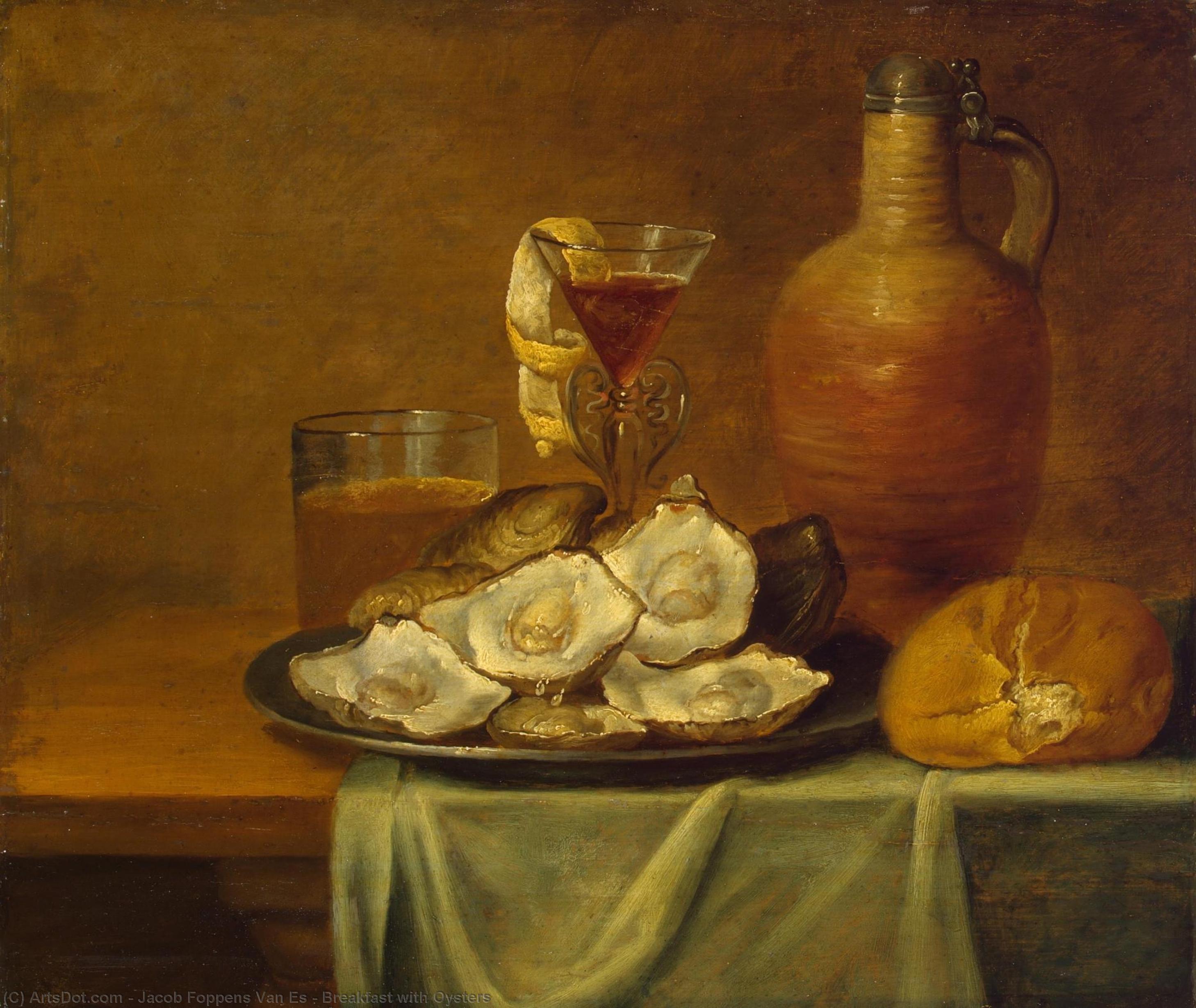
Breakfast with Oysters
 Oil
Oil- WallArt
- Baroque
 1645
1645- Early Modern
 34.0 x 45.0 cm
 Hermitage Museum
 Se mere
Giclée / Kunsttryk
Giclée- eller lærredstryk i museumskvalitet med hurtig produktion og fleksible muligheder for finish. ( Køb håndlavet maleri Køb billede)




P118B $10

P118H $10

P118W $10

P438Z $10

P508JH $12

P508YH $12

P805H $10

P805Z $10

P919BZ $10

P919G $10

P919XJ $10

P959ZH $10

P968JZ $12

W106C $8

W218G $10

W218JH $8

W218Y $10

W307PJ $10

W316G $10

W316PJ $8

W316Y $10

W398PJ $8

W4111J $10

W500HY $15

W500JH $15

W692G $12

W849H $8

W940BG $15

W953PJ $8




Vælg mellem vores forudindstillede størrelser, der matcher kunstværkets originale proportioner.

Du kan indtaste dine egne mål for at passe til en specifik ramme eller et bestemt område. Hvis den valgte størrelse ikke stemmer overens med det originale billedes proportioner, vil vi enten beskære kunstværket eller udvide billedet med en spejlet eller ensfarvet kant. En digital mockup vil blive sendt til din godkendelse, før produktionen påbegyndes.
Bemærk venligst, at forhåndsvisningen på skærmen ikke afspejler den faktiske beskæring eller udvidelse. Kun mockuppen vil nøjagtigt vise den endelige komposition.
Selvom specialmål er tilgængelige, anbefaler vi at vælge et mål fra den foruddefinerede liste for at bevare de originale proportioner.
Verdensomspændende levering () på 2 uger i stedet for de sædvanlige 4/5 uger. (13 august)

Gratis ekspresforsendelse til hele verden

Lærred af linned i høj kvalitet

Fuld transportforsikring

Garanti for refusion af told og importafgifter

Garanti for præcis farvegengivelse

60 dages returret (kun ved fabrikationsfejl)

100% Tilfredshedsgaranti

Mængderabat tilgængelig
 Glasmulighed er kun tilgængelig i størrelser under 110 cm

Breakfast with Oysters
Giclée / Kunsttryk
Størrelse på reproduktion
-


Samlet pris
$ 81
Beskrivelse af samlerobjektet
A Symphony of Indulgence: The Art of the Flemish Still Life
In the quiet, evocative depths of Jacob Foppens van Es’s Breakfast with Oysters, we are invited into a moment of profound sensory indulgence. Painted around 1645, this masterpiece serves as a window into the opulent breakfast traditions of the Flemish Baroque era. The composition is not merely a depiction of food, but a carefully choreographed dance of textures and light. Scattered across the table, the iridescent shells of oysters catch the soft, ambient glow, their rugged surfaces contrasting beautifully with the smooth, translucent clarity of a wine glass nestled in the center. A solitary bottle stands sentinel among the remnants of the meal, suggesting a narrative of leisure that has been unfolding long before the viewer arrived and will continue long after we turn away.
The technique employed by Van Es is nothing short of miraculous, showcasing the meticulous precision that defined his contribution to the first generation of Flemish still-life painting. Every element—from the damp sheen on a discarded shell to the liquid amber captured within the glass—is rendered with an almost hyper-realistic devotion. As a master of the genre, Van Es utilized subtle gradations of light and shadow to create a sense of three-dimensional volume, pulling the viewer’s eye through the arrangement. This mastery of chiaroscuro lends the scene a tactile quality; one can almost feel the cool, briny texture of the oysters and the weight of the glassware, making the painting an immersive experience that transcends the flat surface of the canvas.
Symbolism and the Elegance of the Everyday
Beyond its aesthetic splendor, Breakfast with Oysters carries the intellectual weight characteristic of the Dutch and Flemish Baroque period. In the seventeenth century, still lifes were rarely just about the objects themselves; they were laden with symbolism regarding wealth, mortality, and the fleeting nature of pleasure. The oyster, often associated with luxury and fertility, sits alongside the wine as a testament to the prosperity of the merchant classes from which Van Es emerged. Yet, there is an underlying vanitas quality present in the scattered shells—a gentle reminder that even the most decadent feasts are ephemeral. This tension between the celebration of abundance and the quiet contemplation of transience provides the painting with its profound emotional resonance.
For the discerning collector or interior designer, this work offers more than just a historical artifact; it provides a focal point of sophisticated elegance. The muted, earthy palette and the intimate scale of 34 x 45 cm make it an ideal piece for creating a sense of curated history within a modern space. Whether placed in a sunlit dining room to evoke a sense of classical luxury or in a quiet study to inspire contemplation, a high-quality reproduction of this work brings with it the prestige of the Antwerp masters. It is an invitation to slow down, to appreciate the beauty in the small details, and to surround oneself with the enduring legacy of Flemish artistry.
Kunstnerens biografi
Jacob Foppens van Es (1596–1666): The Elegance of Still Life
Jacob Foppens van Es, Jacob Fopsen van Es or Jacob van Es was a Flemish Baroque painter known for his still lifes mainly of food and occasionally flower paintings. He collaborated with other artists on garland paintings. Together with Osias Beert and Clara Peeters, he was one of the leading representatives of the first generation in Flemish still-life painting. His meticulous depictions of fruit, flowers, and everyday objects captured a refined aesthetic that reflected the intellectual currents of his time. Despite scarce biographical information, Foppens van Es’s legacy rests on his contribution to the burgeoning genre of Dutch Baroque art.Early Life and Training
Detailed records concerning Jacob Foppens van Es' birth date remain elusive, though scholarly estimates place it around 1596 in Antwerp. Born into a prosperous merchant family—Willem van Balen and Machteld van Alten—he benefited from considerable financial resources that facilitated his artistic education. Unlike many artists of the era who honed their skills abroad, Foppens van Es received training primarily within Antwerp’s Guild of Saint Luke, marking him as part of a vibrant artistic milieu. The absence of documentation regarding his formative years underscores the challenges faced by historians reconstructing the lives of artists during this period. However, evidence suggests he studied under Adam van Noort and possibly Maerten de Vos, absorbing stylistic influences that would shape his distinctive oeuvre.Style and Technique: Embracing Nature’s Beauty
Foppens van Es' artistic style is characterized by a profound respect for nature—a hallmark of the Flemish Baroque tradition. His still lifes eschewed ostentation in favor of understated elegance, prioritizing meticulous observation and skillful rendering of textures and colors. He excelled at capturing the subtle nuances of light and shadow, creating images that seemed to breathe with life. Like his contemporaries Osias Beert and Clara Peeters, Foppens van Es championed the “breakfast still life,” a genre that celebrated the bounty of the harvest and elevated commonplace objects into subjects of artistic contemplation. His technique involved layering thin glazes over a preparatory underpainting—a method perfected by Rubens and other masters—resulting in luminous surfaces and remarkable depth.Notable Works: Garland Paintings and Floral Representations
Among Foppens van Es’s most celebrated achievements are his garland paintings, commissioned by influential patrons like Cardinal Federico Borromeo to commemorate the destruction of religious images during the Reformation. These works exemplify the genre's fusion of artistic innovation and theological symbolism—a testament to Foppens van Es’s ability to synthesize aesthetic beauty with moral conviction. His floral compositions stand apart for their remarkable simplicity and freshness, reflecting a fascination with botanical detail and an intuitive understanding of color harmony. The “Iris and Three Roses” garland, housed in the Fondation Custodia in Paris, exemplifies this artistic vision—a masterful distillation of natural forms into a harmonious visual experience. Furthermore, his collaboration with Jan Brueghel the Elder on similar projects solidified Foppens van Es’s position as a leading figure within Antwerp's artistic community.Legacy and Influence
Jacob Foppens van Es’s influence extended beyond his immediate contemporaries, shaping the stylistic trajectory of subsequent generations of Flemish painters. His meticulous approach to observation—a cornerstone of Baroque art—inspired artists like Anthony van Dyck, who studied under him and adopted a similar aesthetic sensibility. Moreover, Foppens van Es's dedication to capturing the beauty of everyday life contributed to the genre’s enduring appeal, cementing his place as one of the most important practitioners of Flemish Baroque still-life painting. His legacy continues to resonate today, reminding us of the power of art to elevate the mundane into the sublime and to convey profound insights into the human condition.
jacob foppens van es
1596 - 1666
Kort om kunstneren
- Artistic Movement Or Style: Baroque
- Artists Or Movements Influenced By This Artist: ['Anthony van Dyck']
- Artists Who Influenced This Artist: ['Adam van Noort']
- Date Of Death: 17 July 1632
- Full Name: Hendrick van Balen I
- Nationality: Flemish
- Notable Artworks:
- The Iconography
- Garland painting
- Place Of Birth: Antwerp
Relaterede artikler
Van Goghs 25 Mesterværker: Kunst, Historie & Inspiration til Dit Hjem
Oplev Vincent van Goghs 25 mest ikoniske malerier! Fra 'Stjernenat' til 'Solsikker', udforsk historien, teknikken og passionen bag hvert mesterværk. Find inspiration & køb museumskvalitets reproduktioner på OriginalUniqueArt.com.

Rembrandts Mesterværker: Top 25 Kunstværker til Din Væg – OriginalUniqueArt.dk
Oplev Rembrandts 25 mest ikoniske kunstværker! Fordyb dig i historierne bag 'Nattevagten', hans selvportrætter og bibelske motiver. Find museumskvalitets reproduktioner & inspiration til din væg på OriginalUniqueArt.com.
Jan van Kessel the Elder: A Baroque Master of Floral Still Life & Miniature Portraiture
Discover the exquisite detail of Jan van Kessel the Elder's Baroque floral still lifes & captivating miniatures. Explore his artistic legacy, scientific precision, and lasting influence on 17th-century Flemish painting.
Abraham Hendricksz van Beyeren: Pioneering Dutch Still Life & the Banquet Tradition
Explore the captivating world of Dutch Golden Age still life with Abraham van Beyeren. Discover his innovative techniques, symbolic banquet scenes & lasting influence on art history. Learn about collecting these masterpieces.

De 10 Mesterværker der Definerede Tidlig Nederlandsk Maleri – Kunst til Dit Hjem
Oplev de 10 ikoniske mesterværker fra tidlig nederlandsk maleri! Jan van Eyck, Rogier van der Weyden og andre flamske renæssancekunstnere. Find inspiration & køb museumskvalitets reproduktioner på OriginalUniqueArt.com.

