Contemporary Realism · 1928
Night Windows (Edward Hopper, 1928)
Edward Hopper (1882–1967) har skabt Night Windows. Det er fra 1928. Det tilhører Contemporary Realism-bevægelsen. Den er udført i Painting. Det opbevares på MoMA - Museum of Modern Art i New York City, USA. Målene er 73 × 86 cm.
- 1928
- Painting
- 73 × 86 cm
- MoMA - Museum of Modern Art, New York City

 Se i rummet

 Håndmalet oliemalerie
 Del som kort
 Del
 Faktablad


 Download
 Lignende værker
 Røntgenundersøgelse
 Diasshow
 Spørgsmål og svar

 Statistikker
Night Windows kort fortalt
- Titel
- Night Windows
- Kunstner
- Edward Hopper (1882–1967)
- Kunstner født i
- Upper Nyack, USA
- Dato
- 1928
- Medium
- Painting
- Dimensioner
- 73 × 86 cm
- Hvor det kan ses
- MoMA - Museum of Modern Art, New York City, USA
- Bevægelse
- Contemporary Realism
- Periode
- Modern
- Motiv
- urban isolation, nocturne scene, window view, domestic interior, voyeurism, light darkness contrast
Hvad forestiller Night Windows?
A Window Into Solitude: Exploring Edward Hopper’s Night Windows
Edward Hopper, a name synonymous with the quiet contemplation of modern existence, wasn't merely capturing landscapes; he was distilling the very essence of American urban life onto canvas. Born in Nyack, New York, in 1882, to parents steeped in Dutch heritage, his formative years instilled within him an unwavering dedication to observation and artistic expression—a passion evident from his earliest sketches meticulously documented and signed. Initially steered toward commercial illustration by his pragmatic family, Hopper’s artistic aspirations stubbornly clung to the realm of fine art, propelling him towards the New York School of Art where he honed his skills under William Merritt Chase and Robert Henri. These influential mentors fostered not only technical proficiency but also a profound appreciation for realism and a commitment to portraying the world as perceived through a discerning eye—a perspective that would define his oeuvre.- Subject Matter: Hopper’s ‘Night Windows,’ painted in 1928, presents a deceptively simple scene: a woman seated alone in a chair overlooking another room bathed in the muted glow of lamplight. This seemingly unremarkable tableau belies its significance as a cornerstone of Hopper's nocturne series and, crucially, embodies his masterful exploration of urban isolation.
- Style & Technique: Executed in stark black and white—a deliberate choice reflecting Hopper’s stylistic preference for tonal realism—the painting utilizes precise linework and subtle shading to create a palpable sense of atmosphere. The artist eschews dramatic lighting effects, favoring instead the diffused illumination characteristic of city nights, thereby amplifying the feeling of quiet detachment.
Historical Context & Influences
‘Night Windows’ resides firmly within the broader context of Hopper's artistic journey—a period marked by a fascination with American realism and an admiration for Impressionist masters like Degas. Hopper’s own stylistic sensibilities were profoundly shaped by these influences, mirroring Degas’s preoccupation with capturing fleeting moments of everyday life and conveying psychological nuance. The painting speaks to the anxieties and uncertainties prevalent in the Jazz Age, reflecting a societal shift toward individualism and questioning traditional social norms—themes that resonate powerfully even today.- Symbolism: Hopper’s masterful use of visual language transcends mere depiction; it communicates profound symbolic ideas. The woman's posture – slumped slightly, her gaze fixed on the distant figure – embodies a poignant stillness, mirroring the pervasive loneliness experienced by individuals navigating the complexities of urban life. Furthermore, the breeze rustling through the window serves as a subtle reminder of movement and connection—a counterpoint to the overarching sense of isolation.
- Reception & Significance: Contemporary critics recognized ‘Night Windows’ for its evocative power, describing it as “one of those glimpses into other lives which one suddenly catches from the window of a passing El,” capturing “that momentary sense of the mystery and intensity of the thousands of lives pressing close to each other.” This astute observation encapsulates Hopper's ability to distill the essence of New York City—a feat achieved through meticulous detail and understated emotional resonance.
Emotional Impact & Legacy
Ultimately, ‘Night Windows’ transcends its formal elements to deliver a deeply affecting experience for the viewer. It invites contemplation on themes of solitude, observation, and unspoken connection—questions that continue to intrigue audiences decades after its creation. Hopper's enduring legacy rests upon his unwavering commitment to portraying human experience with unflinching honesty and sensitivity—a testament to his artistic genius and his profound understanding of the human condition. Its timeless appeal ensures that ‘Night Windows’ will forever hold a place among the most celebrated images of 20th-century art.Hvilket museum udstiller Night Windows?
MoMA - Museum of Modern Art
New York City, USA
Oprindelse og historie for MoMA - Museum of Modern Art Fundamentet for MoMA - Museum of Modern Art blev lagt i 1929. Skabt af Abby Aldrich Rockefeller, Lillie P. Bliss og Mary Quinn Sullivan opstod institutionen i en periode præget af dybe globale omvæltninger.


Højopløselige billeder af Night Windows

Beskyttet af ophavsret: billedet er kun vist som reference.
Andre størrelser, beskæringer og kildehenvisning →Edward Hopper, Night Windows (1928), MoMA - Museum of Modern Art.
Spørgsmål om Night Windows besvaret
Hvor kan man i dag se "Night Windows" af Edward Hopper udstillet?
"Night Windows" af Edward Hopper er udstillet på MoMA - Museum of Modern Art, New York City, USA. Museets fortegnelse henviser til det originale værk og ikke til reproduktioner.
I hvilket år blev "Night Windows" af Edward Hopper skabt?
"Night Windows" stammer fra 1928. Datoen placerer værket i Edward Hopper's karriere og dets tidsalder.
Hvilken teknik er brugt til "Night Windows" af Edward Hopper?
"Night Windows" af Edward Hopper er udført i Painting. Reproduktionerne har til formål at gengive denne tekniks visuelle udtryk.
Hvad er målene på det originale værk "Night Windows"?
"Night Windows" måler 86 x 73 cm i sin oprindelige form. De originale dimensioner er en nyttig reference, når du skal vælge størrelsen på en reproduktion.
Hvad forestiller "Night Windows"?
Motiverne i "Night Windows" er urban isolation, nocturne scene, window view, domestic interior, voyeurism, light darkness contrast, quiet contemplation, american realism.
Er billedet af "Night Windows" af Edward Hopper frit tilgængeligt i det offentlige domæne?
"Night Windows" af Edward Hopper er stadig beskyttet af ophavsret. Denne status bestemmer, hvordan billedet af værket må reproduceres.
Hvem har skabt "Night Windows"?
"Night Windows" blev skabt af Edward Hopper. Informationen på denne side beskriver Edward Hoppers originale værk.
Hvilken kunstretning tilhører "Night Windows" af Edward Hopper?
Kunstretningen forbundet med "Night Windows" af Edward Hopper er Contemporary Realism. Denne klassificering placerer værket blandt relaterede kunstnere og kunstværker.
Hvor i Edward Hoppers karriere placerer "Night Windows" sig?
"Night Windows" tilhører Mature Period i Edward Hoppers karriere. Denne klassificering knytter værket til kunstnerens udvikling.
Om kunstneren, Edward Hopper
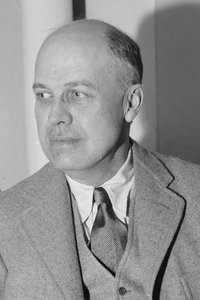
1882–1967, USA
Edward Hopper
Den amerikanske scenes stilhed Edward Hopper blev født i Upper Nyack, USA. Hans tidlige år blev brugt på at betragte verden med et uafbrudt og skarpt blik, en vane der tog sin begyndelse med barndommens skitser, som han omhyggeligt daterede og underskrev. Selvom hans forældre foreslog en praktisk karrierevej inden for kommerciel illustration, forblev hans fokus rettet mod den skønne kunst. Han studerede ved New York School of Art under William Merritt Chase og Robert Henri.
Også af Edward Hopper
 Natuglerne, Kunstinstituttet i Chicago, Chica1942
 Automat (lille)
 Hus ved jernbanen1925
 New York Movie1939
Essays om Night Windows
 Mastering Solitude: The Top 25 Iconic Artworks by Edward HopperStep into the quiet world of American Realism with our curated guide to the top 25 Edward Hopper artworks. Explore the light, shadow, and s…
 10 Iconic Masterpieces That Defined American RealismJourney through the soul of American Realism. Explore 10 iconic masterpieces, from Edward Hopper to classic landscapes, and learn the stori…
 10 Iconic Masterpieces That Defined Contemporary RealismJourney through the soul of Contemporary Realism. Explore 10 iconic masterpieces, their legendary artists, and the breathtaking techniques …