

 Se i rummet
 Send
Send Del
Del
 Detaljer
 Studieguide til kunstværker

 Download
 Lignende værker
 Røntgenundersøgelse
 Se diasshow
 Statistik
Rubber Plant 3
 Acrylic On Canvas
- WallArt
- Group f/64
 1929
1929 50.0 x 40.0 cm
 Dulwich Picture Gallery
 Læs mere
Køb et højopløst, optimeret digitalt billede i en kvalitet, der er langt overlegen i forhold til online-forhåndsvisningen.
Hver fil er omhyggeligt forberedt af vores interne specialister ved hjælp af avancerede værktøjer og ekspertmæssig manuel retuschering. Vi sikrer, at hvert billede har enestående klarhed, præcis farvegengivelse og fine detaljer.
Den endelige fil leveres via e-mail inden for 72 timer og er optimeret til øjeblikkelig brug i professionelle, redaktionelle og trykte miljøer. Det er den samme kvalitet, som førende designstudier, forlag og gallerier har tillid til.
Digitalt billede
Download en højopløselig fil til personlig fremvisning, print og kreative projekter. ( Skift til printversion Bestil håndmalet reproduktion)
Inkluderet i alle ordrer på digitale billeder
Professionel digital levering, garanteret
Når du vælger OriginalUniqueArt.com, får du ikke blot et billede – du modtager et professionelt optimeret digitalt kunstværk, skabt med præcision og sikret med en tilfredshedsgaranti. Her er alt, hvad din ordre automatisk indeholder:

Hurtig levering via e-mail
Din højtopløselige digitale billedfil sendes til din e-mail inden for 72 timer efter bestilling – klar til øjeblikkelig brug.

AI-forbedret digital fil
Dit kunstværk optimeres professionelt ved hjælp af avancerede AI-værktøjer og manuel redigering, hvilket sikrer maksimal detaljegrad, klarhed og farvenøjagtighed.

Gratis livslang genlevering
Har du ved en fejl slettet eller mistet din fil? Ingen bekymring – vi sender den igen til enhver tid, helt gratis.

Ingen importgebyrer – nogensinde
Nyd dit kunstværk med det samme uden told, afgifter eller leveringsgebyrer – digitale downloads er altid skattefrie.

Garanteret farvenøjagtighed
Vi sikrer, at dit digitale billede gengiver de originale farver så præcist som muligt ved hjælp af professionelle værktøjer og farvestyring.

100 dages tilfredshedsgaranti
Hvis du ikke er tilfreds med dit digitale billede, vil vi revidere det eller refundere 100% inden for 100 dage – uden spørgsmål.

100% Pengene tilbage-garanti
Ik tilfreds? Få fuld refusion inden for 100 dage efter modtagelse af din digitale fil – uden spørgsmål.

Mængderabat ved storkøb
Køb 3 billeder, spar 10% - Køb 5, spar 15% - Køb 10+, spar 20%. Ideelt til kreative projekter, gallerier og bureauer.
Imogen Cunningham’s Botanical Reverie: “Rubber Plant 3”
The photograph "Rubber Plant 3," created by Imogen Cunningham in 1929, stands as a testament to the artist's unwavering dedication to capturing the quiet beauty of the natural world—a cornerstone of Group f/64’s ethos. More than just an image of a plant bud unfolding, it embodies Cunningham’s masterful manipulation of light and form, resulting in a piece that transcends mere documentation and delves into profound contemplation. This striking composition isn't merely aesthetically pleasing; it represents a deliberate choice to elevate the commonplace to the extraordinary through meticulous observation and artistic sensitivity.- Subject Matter: Cunningham’s focus is singularly botanical—specifically, the delicate blossom bud of a rubber plant. She eschewed grand landscapes or portraits for this intimate study, prioritizing the subtle intricacies of organic life.
- Style & Technique: Employing Group f/64's signature technique of using a medium format camera and employing a shallow depth of field, Cunningham achieved remarkable clarity and textural detail. The resulting image leans toward realism but is imbued with an artistic treatment through selective lighting—a dramatic chiaroscuro that emphasizes the plant’s sculptural qualities against a velvety dark background.
- Historical Context: Created during the burgeoning modernist movement, “Rubber Plant 3” aligns perfectly with Group f/64's rejection of traditional photographic conventions. This group championed simplicity and directness, rejecting elaborate retouching and prioritizing honest representation of the subject matter. Cunningham’s work reflects a broader artistic impulse to distill beauty into its purest form.
- Symbolism & Emotion: The photograph evokes feelings of serene stillness and quiet appreciation for nature's rhythms—a deliberate response to the anxieties of the era. The unfolding bud symbolizes potential, growth, and transformation—themes central to Cunningham’s broader artistic vision.
Compositional Mastery: Light and Shadow as Narrative Tools
Cunningham’s compositional choices are crucial to conveying the artwork's emotional resonance. Primarily vertical in orientation, the photograph draws the viewer upwards along the curve of the blossoming bloom, creating a sense of upward movement and aspiration. The shallow depth of field concentrates attention on the flower itself—a deliberate tactic that isolates it from its surroundings and amplifies its visual impact. Equally important is the masterful use of negative space; the dark background serves as an active element, enhancing the luminosity of the foreground and contributing to the overall feeling of elegance and restraint.Material & Craftsmanship: A Legacy of Photographic Precision
Printed on archival photographic paper using traditional darkroom techniques—a method favored by Cunningham and her contemporaries—the print demonstrates unwavering commitment to preserving the artwork's integrity over time. The glossy surface captures subtle textures within the plant’s leaves and petals, adding depth and visual interest. Furthermore, the photograph is mounted on a thin board mount, ensuring stability and protecting it from environmental degradation. This meticulous attention to detail underscores Cunningham’s belief in honoring the inherent beauty of her subject matter through skillful execution.A Timeless Reflection: “Rubber Plant 3” Today
“Rubber Plant 3” continues to captivate viewers with its understated grandeur and profound connection to the natural world. Its enduring appeal speaks to a universal desire for contemplation and appreciation—qualities that resonate powerfully in our contemporary context. As a masterful exemplar of Group f/64’s aesthetic principles, it serves as an inspiring reminder that beauty can be found in simplicity and that artistic vision transcends temporal boundaries.Spørgsmål & svar
Er "Rubber Plant 3" af Imogen Cunningham blandt de eftertragtede Group f/64-værker?
"Rubber Plant 3" er registreret som Iconic blandt Group f/64-værkerne i kataloget.
Hvilke motiver optræder i "Rubber Plant 3" af Imogen Cunningham?
Motiverne i "Rubber Plant 3" er botanical study, floral detail, plant formality, black and white art, natural beauty, contrasting light, abstract shape.
Hvordan relaterer motivet i "Rubber Plant 3" sig til Imogen Cunninghams sædvanlige temaer?
Imogen Cunninghams gennemgående temaer inkluderer botanical realism, group f/64 clarity, early 20th century, nature's beauty", precision & detail, sharp detail emphasis, american modernism; "Rubber Plant 3" fokuserer på botanical study, floral detail, plant formality, black and white art, natural beauty, contrasting light, abstract shape.
Kunstnerbiografi
Tidligt liv og kunstnerisk opvågnen
Imogen Cunningham, en pionerende kraft i amerikansk fotografi, blev født den 12. april 1883 i Portland, Oregon, som en del af en stor familie på ti børn. Hendes tidlige liv, præget af en flytning til Seattle i 1889, fostrede en uafhængig ånd og et skarpt, observerende blik. Selvom formel kunstundervisning ikke var prioriteret i hendes opvækst, opsøgte Cunningham selvstændigt undervisning, hvilket demonstrerede en medfødt kunstnerisk tilbøjelighed fra en tidlig alder. Et afgørende øjeblik indtraf i 1901, da hun som attenårig erhvervede sit første kamera – et 4x5 tommer view-kamera købt via postordre. Denne anskaffelse antændte en livslang passion og førte til etableringen af et mørkekammer i familiens brændehus, et rum hvor hun begyndte at udforske den spirende kunstform, der skulle definere hendes karriere. Hendes akademiske bestræbelser ved University of Washington, som kulminerede i en kemigrad i 1907 med en afhandling fokuseret på fotografiske processer, afslører en tidlig forståelse for de videnskabelige fundamenter i det valgte medie. Denne forening af kunstnerisk sanselighed og teknisk viden skulle blive et kendetegn for hendes arbejde. Et dybtgående møde med fotografierne af Gertrude Käsebier viste sig særligt indflydelsesrigt og cementerede Cunninghams beslutsomhed om at forfølge fotografiet som meget mere end blot en hobby.Fra piktorialisme til modernistisk vision
Cunninghams første skridt ind i professionel fotografi indebar et læretid hos Edward S. Curtis i Seattle, hvor hun forfinede sine færdigheder inden for portrætkunst og mestrede den intrikate platinprint-teknik, mens hun bidrog til hans monumentale projekt om at dokumentere de oprindelige amerikanske kulturer. Hun etablerede efterfølgende sit eget studie, hvor hun i begyndelsen omfavnede den fremherskende piktorialistiske æstetik – en stil karakteriseret ved blød fokus, iscenesatte kompositioner og et forsøg på at efterligne malerkunsten. Hendes arbejde i denne periode høstede kritisk anerkendelse, men Cunninghams kunstneriske bane var langt fra fastlagt. En periode med studier i Dresden, Tyskland, under professor Robert Luther i 1909 forfinede yderligere hendes tekniske ekspertise, især inden for fotografisk kemi. Det var dog de efterfølgende årtier, der vidnede om et dramatisk skift i hendes tilgang. Ægteskabet med Roi Partridge i 1915 og opfostringen af tre børn faldt sammen med en flytning til San Francisco i 1920, hvilket markerede et vendepunkt i både hendes personlige og kunstneriske liv. Mens hun fortsatte sit portrætarbejde, begyndte Cunningham at udforske botanisk fotografi, fascineret af de indviklede detaljer i blomster og planter. Denne fascination udviklede sig til en undersøgelse af industrielle landskaber, hvor hun dokumenterede fabrikker og urbane scener med et voksende fokus på skarpt fokus og umanipulerede billeder. Det definerende øjeblik kom med hendes tilknytning til Group f/64 i 1930'erne – sammen med lysende skikkelser som Ansel Adams og Edward Weston – et kollektiv dedikeret til "straight photography", der prioriterede klarhed, præcision og en afvisning af piktorialistisk manipulation.En arv af mangfoldige motiver og teknisk mesterskab
Gennem sin lange og produktive karriere udviste Imogen Cunningham en ekstraordinær alsidighed, hvor hun sømløst bevægede sig mellem forskellige emner, mens hun opretholdt en konsekvent forpligtetelse til teknisk ekspertise. Hun vendte tilbage til portrættet og fotograferede berømt hænderne på kunstnere og musikere – hvilket ikke blot indfangede ligheder, men også afslørede karakter gennem gestik og form. Hendes arbejde for magasinet Vanity Fair gav hende mulighed for at portrættere berømtheder uden kunstighed og præsentere dem i deres naturlige tilstand. Det var dog måske hendes botaniske studier, der cementerede hendes ry som en mesterfotograf. Billeder som ”Rubber Plant 3” (1929) og ”Money Plant” (1956) er ikoniske eksempler på hendes evne til at transformere almindelige motiver til ekstraordinære kunstværker, der afslører den naturlige verdens iboende skønhed og kompleksitet gennem minutiøse detaljer og dramatisk lyssætning. Cunninghams stil var kendetegnet ved en mesterlig kontrol over lys og skygge, et skarpt øje for komposition og en urokkelig dedikation til skarphed og klarhed. Hun registrerede ikke blot det, hun så; hun fortolkede det og besjælede sine fotografier med en følelse af emotionel resonans og intellektuel dybde.Historisk betydning og vedvarende indflydelse
Imogen Cunninghams bidrag til amerikansk fotografi er enorme og vidtrækkende. Som en sand innovator navigerede hun i mediets skiftende landskab og omfavnede både piktorialismens kunstneriske ambitioner og den modernistiske straight photographys principper. Hendes arbejde udfordrede konventionelle forestillinger om skønhed og udvidede grænserne for fotografisk udtryk. Oprettelsen af Imogen Cunningham Trust i 1975 understregede hendes engagement i at bevare og fremme sin arv for fremtidige generationer. Selvom hun gik bort i 1976, fortsætter hendes indflydelse med at genlyde hos fotografer i dag. Hun står som et vidnesbyrd om kraften i kunstnerisk vision, teknisk dygtighed og urokkelig dedikation – en pionerfigur, der var med til at forme udviklingen af fotografisk kunst og efterlod et uudsletteligt mærke på den visuelle kulturs historie. Hendes evne til at finde skønhed i det hverdagsagtige, til at afsløre det ekstraordinære i det ordinære, forbliver en kilde til inspiration for både kunstnere og beskuere. Cunninghams arbejde handler ikke blot om, hvad hun fotograferede; det handler om, hvordan hun så verden.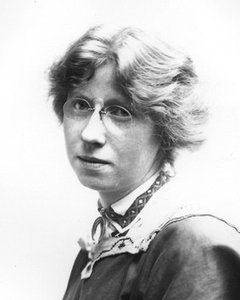
Imogen Cunningham
1883 - 1976
Hurtige fakta
- Artistic Movement Or Style: Piktorialisme, Modernisme
- Artists Or Movements Influenced By This Artist: ['Group f/64']
- Artists Who Influenced This Artist: ['Gertrude Käsebier']
- Date Of Birth: 12. april 1883
- Date Of Death: 1976
- Full Name: Imogen Cunningham
- Nationality: Amerikansk
- Notable Artworks:
- Selvportræt
- Pengeplante
- Gummifigur 3
- Place Of Birth: Portland, USA