
 Se i rummet
 Del som kort
 Del
Del
 Detaljer
 Guide
Guide

 Download
 Lignende værker
 Røntgenundersøgelse
 Diasshow
 Q&A
Q&A Statistikker
Haymaking

- 18.0 x 35.0 cm


 Vis mere
Giclée / Kunsttryk
Giclée- eller lærredstryk i museumskvalitet med hurtig produktion og fleksible muligheder for finish. ( Køb håndmalet maleri Skift til digitalt billede)




P118B Dkr10

P118H Dkr10

P118W Dkr10

P438Z Dkr10

P508JH Dkr12

P508YH Dkr12

P805H Dkr10

P805Z Dkr10

P919BZ Dkr10

P919G Dkr10

P919XJ Dkr10

P959ZH Dkr10

P968JZ Dkr12

W106C Dkr8

W218G Dkr10

W218JH Dkr8

W218Y Dkr10

W307PJ Dkr10

W316G Dkr10

W316PJ Dkr8

W316Y Dkr10

W398PJ Dkr8

W4111J Dkr10

W500HY Dkr15

W500JH Dkr15

W692G Dkr12

W849H Dkr8

W940BG Dkr15

W953PJ Dkr8




Vælg mellem vores forudindstillede størrelser, der matcher kunstværkets originale proportioner.

Indtast den bredde og højde, du har brug for, så det passer til din ramme eller din væg. Et print kan kun beskæres, aldrig gøres større end selve billedet, så en størrelse med et andet format vil medføre, at dele af motivet går tabt. Vi sender dig en digital mockup til godkendelse, før vi printer noget. Billedet vist på denne side viser ikke den faktiske beskæring — det er kun mockuppen, der gør.
Verdensomspændende levering () på 2 uger i stedet for de sædvanlige 4/5 uger. (31 oktober)

Gratis ekspresforsendelse til hele verden

Lærred af linned i høj kvalitet

Fuld transportforsikring

Garanti for refusion af told og importafgifter

Garanti for præcis farvegengivelse

100 dages returret ved fabrikationsfejl

100% fuld returret

Mængderabat ved flere køb
 Glasmulighed er kun tilgængelig i størrelser under 110 cm

Haymaking
Giclée / Kunsttryk
Størrelse på reproduktion
-


Samlet pris
Dkr 538
Kunstnerbiografi
A Life Painted in Light and Shadow
Hugh Cameron Wilson (1885-1952) wasn’t merely a painter; he was a meticulous recorder of the British landscape and its people during a pivotal era. Born into a family steeped in artistic tradition – his father, a prominent watercolorist – Wilson inherited not just talent but also a deep appreciation for observation and detail. His early life, spent amidst the rolling hills of Yorkshire and later in London’s vibrant art scene, provided fertile ground for his distinctive style: a blend of realism tempered by an almost melancholic sensitivity. Unlike many artists of his time who embraced grand romanticism, Wilson focused on capturing the quiet dignity of everyday life – farmers tending their fields, fishermen returning with their catch, children playing in sun-drenched lanes. This commitment to portraying the ordinary, coupled with his masterful use of light and shadow, cemented his place as a significant figure in early 20th-century British art.
Early Influences and Artistic Development
Wilson’s artistic journey began under the watchful eye of his father, who instilled in him a rigorous approach to watercolor painting. This foundation emphasized meticulous technique – layering washes, controlling pigment saturation, and achieving subtle gradations of tone. However, Wilson quickly developed his own voice, influenced by the Impressionists and particularly by artists like John Constable, whose atmospheric landscapes resonated with Wilson’s own fascination with light and color. His early works often depicted scenes from Yorkshire, capturing the rugged beauty of the moors and the starkness of the agricultural landscape. These paintings weren't simply representations; they were imbued with a sense of place – a feeling for the wind, the rain, and the enduring spirit of the region.
A crucial turning point in Wilson’s career came during his time in London. He immersed himself in the city’s art world, studying at the Slade School of Fine Art and absorbing the influences of contemporary artists. This exposure broadened his subject matter, leading him to paint portraits of prominent figures – politicians, writers, and members of the aristocracy – alongside his beloved landscapes. He approached portraiture with a similar level of detail and psychological insight as he did in his landscape paintings, capturing not just physical likeness but also the character and inner life of his subjects.
Technique and Style: Light, Shadow, and Detail
Wilson’s artistic signature lies in his extraordinary command of watercolor. He was a master of layering washes to create luminous effects, building up color gradually to achieve subtle variations in tone. His use of light is particularly noteworthy – he rarely employed harsh contrasts, preferring instead to capture the diffused glow of sunlight filtering through clouds or the soft shadows cast by trees and buildings. This delicate approach lends his paintings an ethereal quality, evoking a sense of nostalgia and quiet contemplation. Furthermore, Wilson’s meticulous attention to detail—the texture of wool clothing, the ripples in water, the weathered faces of his subjects—adds depth and realism to his work.
He frequently employed a limited palette, primarily utilizing blues, greens, browns, and grays. This restrained color scheme allowed him to focus on capturing the nuances of light and shadow, creating paintings that are both visually striking and emotionally resonant. His compositions were often carefully constructed, with elements arranged in a balanced and harmonious manner. He was known for his patience and dedication, spending countless hours observing his subjects and perfecting his technique.
Major Works and Historical Significance
Among Wilson’s most celebrated works are “The Pet Lamb,” a tender depiction of a young boy cradling a lamb, and “The Flight of the Seagulls,” a dramatic seascape capturing the raw power of the North Sea. These paintings exemplify his ability to convey both beauty and emotion through his masterful use of watercolor. His portraits, such as "The Flight of the Seagulls," offer valuable insights into the social and cultural landscape of Britain during the early 20th century. His work reflects a deep appreciation for British history and culture, capturing the spirit of a nation undergoing significant transformation.
Wilson’s legacy extends beyond his individual paintings. He played a crucial role in shaping the development of watercolor painting in Britain, demonstrating its versatility as a medium for both landscape and portraiture. His meticulous technique and sensitive approach to subject matter continue to inspire artists today. His work serves as a poignant reminder of the beauty and dignity that can be found in the everyday moments of life.

Hugh Cameron Wilson
1885 - 1952
Kort om kunstneren
- Full Name: Hugh Cameron Wilson
- Nationality: British
- Date Of Birth: 1885
- Date Of Death: 1952
- Place Of Birth: London, England
- Notable Artworks:
- The Pet Lamb
- The Flight of the Seagulls
- Artistic Movement Or Style: Portrait painting
- Artists Or Movements Influenced By This Artist: ['British art']
Relaterede artikler
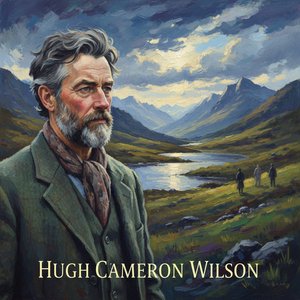
Hugh Cameron Wilson: Capturing the Soul of Scotland Through Colour & Atmosphere
Explore the evocative landscapes of Hugh Cameron Wilson, a key figure within the Scottish Colourist movement. Discover his mastery of light, atmosphere & rural scenes – and find high-quality reproductions at OriginalUniqueArt.
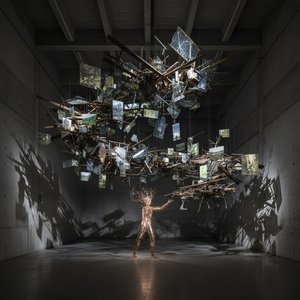
Richard Wilson: Deconstructing Landscape & Memory in Contemporary Installation Art
Explore Richard Wilson's groundbreaking landscape paintings & his enduring influence on contemporary installation art. Discover investment opportunities, provenance insights & the materiality of memory in this expert analysis.

Romantikkens Landskaber: Top 10 Malerier der Definerede En Æra | OriginalUniqueArt
Oplev romantikkens storhedstid! Dyk ned i top 10 landskabsmalerier af Caspar David Friedrich, Turner & Constable. Historiske fortællinger og museumskvalitets reproduktioner på OriginalUniqueArt.com – find din inspiration til væggen her!

Evocations of Place: A Historical Journey Through Landscape Art
Explore the rich history of landscape art with OriginalUniqueArt. Discover renowned artists, movements like Impressionism & Romanticism, and expert guidance for collecting timeless pieces. Find your perfect serene escape today!

John Constables 25 Mesterværker: En Hyldest til Englands Landskabskunst | OriginalUniqueArt.com
Oplev John Constables 25 mest ikoniske værker! Fordyb dig i engelsk romantik, betagende landskaber og tidløs skønhed. Køb museumskvalitets reproduktioner af 'The Hay Wain' & mere på OriginalUniqueArt.com – inspiration til dit hjem.