
 Se i fuld skala
 Del
Del Del
Del
 Detaljer

 Download
 Lignende værker
 Røntgenundersøgelse
 Diasshow
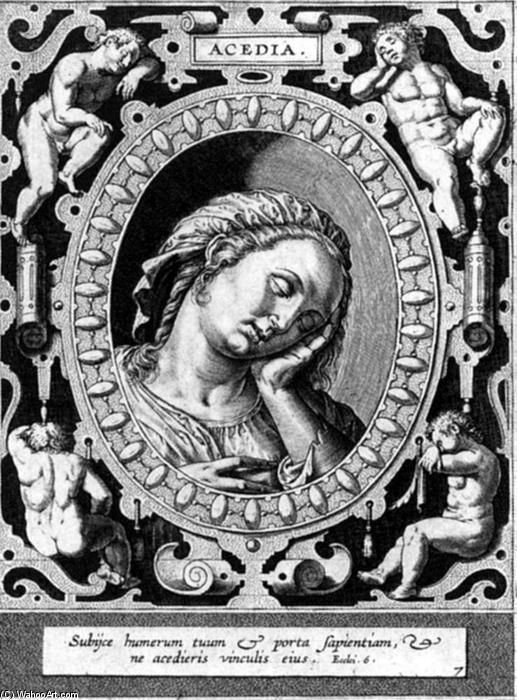
Acedia


 Se mere
Giclée / Kunsttryk
Giclée- eller lærredstryk i museumskvalitet med hurtig produktion og fleksible muligheder for finish. ( Skift til håndmalet maleri Skift til billede)




































Vælg mellem vores forudindstillede størrelser, der matcher kunstværkets originale proportioner.

Du kan indtaste dine egne mål for at passe til en specifik ramme eller et bestemt område. Hvis den valgte størrelse ikke stemmer overens med det originale billedes proportioner, vil vi enten beskære kunstværket eller udvide billedet med en spejlet eller ensfarvet kant. En digital mockup vil blive sendt til din godkendelse, før produktionen påbegyndes.
Bemærk venligst, at forhåndsvisningen på skærmen ikke afspejler den faktiske beskæring eller udvidelse. Kun mockuppen vil nøjagtigt vise den endelige komposition.
Selvom specialmål er tilgængelige, anbefaler vi at vælge et mål fra den foruddefinerede liste for at bevare de originale proportioner.
Verdensomspændende levering () på 2 uger i stedet for de sædvanlige 4/5 uger. (10 august)

Gratis ekspresforsendelse til hele verden

Lærred af linned i høj kvalitet

Fuld transportforsikring

Garanti for refusion af told og importafgifter

Garanti for præcis farvegengivelse

60 dages returret (kun ved fabrikationsfejl)

100% Tilfredshedsgaranti

Mængderabat tilgængelig
 Glasmulighed er kun tilgængelig i størrelser under 110 cm

Acedia
Giclée / Kunsttryk
Størrelse på reproduktion
-


Samlet pris
$ 81
Beskrivelse af samlerobjektet
A Study in Slumber: Hieronymus Wierix’s “Acedia”
Hieronymus Wierix's "Acedia," a meticulously rendered engraving from around 1600, isn’t merely a depiction of a sin; it’s a profound meditation on the human condition – a hauntingly beautiful exploration of apathy and the seductive allure of inaction. Created during a period of intense religious upheaval in the Netherlands, this work speaks to the anxieties and moral complexities of its time, offering a timeless reflection on the struggle between spiritual aspiration and worldly comfort.
The image centers upon a female figure, embodying Acedia itself, her posture radiating an almost unbearable languor. She rests her head upon her hand, a gesture simultaneously vulnerable and defiant. Around her swirl symbolic elements designed to amplify the sin’s insidious nature. To her right, a young man gazes into a mirror, lost in self-admiration – a potent representation of vanity, a distraction from the true path. Across from him, a figure pours water upon a stone, an act of futile cleansing, suggesting a desperate but ultimately ineffective attempt to wash away the consequences of idleness. The background is filled with intricate patterns and small putti-like figures, adding layers of complexity and hinting at the spiritual battles waged within the human soul.
The Master’s Technique: Engraving as Revelation
Wierix was a master of the engraving technique, renowned for his ability to achieve astonishing detail and tonal variation through careful manipulation of line. This particular print is a prime example; the image is constructed from thousands of precisely incised lines, creating a surface that appears both smooth and textured simultaneously. The artist’s use of hatching and cross-hatching – layering parallel lines to build up shadow – is particularly noteworthy, lending depth and volume to the figures and background elements. The monochrome palette—a carefully orchestrated range of grays from near black to pale white—heightens the sense of melancholy and emphasizes the stark contrast between light and darkness, mirroring the internal struggle depicted within the scene.
The process itself was demanding, requiring immense patience and skill. The artist would first create a copper plate, meticulously drawing the design with a needle or stylus. Then, using acid, he would incise the lines into the metal surface. Finally, the plate was inked and pressed onto paper, transferring the image in reverse. This painstaking method is evident in every delicate line and subtle shading, underscoring Wierix’s dedication to his craft.
Symbolism and Spiritual Weight
Beyond its immediate visual impact, “Acedia” is rich with symbolic meaning. The central figure represents not just laziness but a deeper spiritual malaise – a detachment from God and a failure to embrace virtue. The mirror symbolizes vanity, a trap that draws the viewer away from introspection and genuine connection. The pouring water signifies an attempt at purification, yet it’s ultimately ineffective against the root cause of the sin: a lack of will. The putti figures, often associated with angels or divine messengers, could represent the constant temptation to stray from the righteous path.
Wierix was deeply influenced by the religious art of the Renaissance and early Baroque periods, particularly the works of Albrecht Dürer, whose meticulous detail and symbolic imagery he greatly admired. This print reflects a similar commitment to conveying moral lessons through carefully constructed visual narratives – a testament to the enduring power of art as a vehicle for spiritual instruction.
A Timeless Reflection: Reproduction and Inspiration
Reproductions of “Acedia” offer a remarkable opportunity to experience the artistry and emotional depth of this iconic engraving. Whether displayed in a private collection or incorporated into an interior design scheme, this image evokes a sense of quiet contemplation and invites viewers to consider their own relationship with virtue, temptation, and the pursuit of meaning. Wierix’s masterful rendering of human emotion and his profound understanding of symbolism continue to resonate today, making “Acedia” a timeless masterpiece that transcends its historical context.
Relaterede artikler
Barokkens Dramatiske Flor: Historie, Karakteristika og Varig Indflydelse
Dyk ned i barokkunstens dramatiske verden! Udforsk historien, karakteristika og indflydelsen af denne storslåede kunstperiode med fokus på mestre som Rembrandt. Lær mere nu!

Echoes of Isolation: Solitude in Western Art from Renaissance to Modernism
Explore the profound representation of solitude in Western art from the Renaissance to Modernism. Discover iconic paintings & artists like Goya, Friedrich, and Rossetti. Handmade oil reproductions available at OriginalUniqueArt.

Tidløse Raderinger: 10 Mesterværker der Forandrede Kunsten – Find Inspiration til Dit Hjem
Oplev 10 legendariske raderinger af Dürer, Rembrandt & Goya! Fordyb dig i kunsthistorien og lær om teknikken bag disse ikoniske værker. Find inspiration til din indretning med museumskvalitets reproduktioner på OriginalUniqueArt.com.

Mannerism: Bridging Renaissance Harmony & Baroque Drama – A Study of Style & Affectation
Explore the fascinating world of Mannerism! Discover its key characteristics, pioneering artists like Pontormo & Bronzino, and its pivotal role in bridging Renaissance harmony to Baroque drama. A comprehensive guide for art enthusiasts.
Raphaels 25 Mesterværker: Kunst, Historie & Inspiration til Dit Hjem | OriginalUniqueArt
Oplev Raphaels 25 mest ikoniske værker! Dyk ned i renæssancens kunsthistorie, fra 'Skolen i Athen' til smukke madonna-malerier. Find inspiration & køb museumskvalitets reproduktioner på OriginalUniqueArt.com.

