 Se i rummet
 Del som kort
 Del
Del
 Detaljer
 Guide
Guide

 Download
 Lignende værker
 Røntgenundersøgelse
 Diasshow
 Spørgsmål og svar
 Statistikker
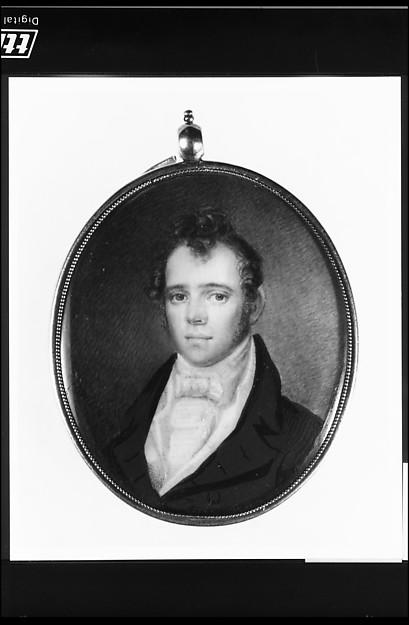
John Cox

- 6.0 x 5.0 cm

 Vis mere
Få en printklar fil, der rækker langt ud over web-forhåndsvisningen. Hvert digitalt billede, vi sælger, stammer fra en højopløst master i vores database — typisk mellem 5.000 og 15.000 pixels i bredden — så du med selvtillid kan printe stort, beskære tæt eller gengive fine detaljer.
Ingen fil forlader vores studie uden at være blevet behandlet. En digital ekspert kontrollerer farverne i forhold til det originale maleri og korrigerer dem efter behov, hvorefter klarhed og detaljer forbedres med professionelle retoucheringsværktøjer — altid med fuld respekt for kunstnerens penselstrøg og stil. Resultatet er et billede, der ligner selve maleriet, og ikke blot et scannet billede med et filter.
Du godkender først, når du er tilfreds: Vores ekspert sender billedet til din gennemgang via e-mail inden for 72 timer. Ikke tilfreds? Bed om rettelser eller forbedringer, eller anmod om en refundering, hvis kvaliteten ikke lever op til forventningerne.
Dette er den kvalitet, som forlag, designstudier, gallerier og trykkerier stoler på.
Digitalt billede
Download en højopløselig fil til personlig fremvisning, print og kreative projekter. ( Skift til printsalg Køb håndmalet maleri)
Inkluderet i alle ordrer på digitale billeder
Ekspertise i digital levering, garanteret
Når du vælger OriginalUniqueArt.com, får du ikke blot et billede – du modtager et professionelt optimeret digitalt kunstværk, skabt med præcision og sikret med en tilfredshedsgaranti. Her er alt, hvad din ordre automatisk indeholder:

Hurtig levering via e-mail
Din højtopløselige digitale billedfil sendes til din e-mail inden for 72 timer efter bestilling – klar til øjeblikkelig brug.

AI-optimeret digital fil
Dit kunstværk optimeres professionelt ved hjælp af avancerede AI-værktøjer og manuel redigering, hvilket sikrer maksimal detaljegrad, klarhed og farvenøjagtighed.

Gratis livslang genlevering
Har du ved en fejl slettet eller mistet din fil? Ingen bekymring – vi sender den igen til enhver tid, helt gratis.

Ingen importgebyrer – nogensinde
Nyd dit kunstværk med det samme uden told, afgifter eller leveringsgebyrer – digitale downloads er altid skattefrie.

Garanteret farvenøjagtighed
Vi sikrer, at dit digitale billede gengiver de originale farver så præcist som muligt ved hjælp af professionelle værktøjer og farvestyring.

100 dages tilfredshedsgaranti
Hvis du ikke er tilfreds med dit digitale billede, vil vi revidere det eller refundere 100% inden for 100 dage – uden spørgsmål.

100% Pengene tilbage-garanti
Ik tilfreds? Få fuld refusion inden for 100 dage efter modtagelse af din digitale fil – uden spørgsmål.

Mængderabat ved storkøb
Køb 3 billeder, spar 10% - Køb 5, spar 15% - Køb 10+, spar 20%. Ideelt til kreative projekter, gallerier og bureauer.
Kunstnerens biografi
Henry Williams: A Visionary of Spiritual Portraiture (1787-1830)
Henry Williams, a British artist working primarily in the late 18th and early 19th centuries, remains a captivating figure within the history of English portraiture and religious art. Born in Boston, Massachusetts, in 1787, his life was marked by both artistic brilliance and personal tragedy, culminating in a legacy of evocative biblical scenes and deeply spiritual portraits. While often overshadowed by more prominent contemporaries, Williams’s work possesses a unique sensitivity and emotional depth that continues to resonate with viewers today.
Williams's early life offers little documented detail, though it is known he received some artistic training before relocating to England. He established himself as an artist in London, quickly gaining recognition for his ability to capture the essence of his subjects – particularly those of a religious or moral nature. His style was characterized by a restrained elegance and a subtle use of light and shadow, creating a sense of quiet contemplation within each portrait. Unlike the flamboyant styles prevalent at the time, Williams favored a more understated approach, focusing on conveying inner character rather than mere physical likeness.
A pivotal moment in Williams’s career was his appointment as a missionary to New Zealand in 1823. This journey profoundly impacted his artistic vision and subject matter. He spent several years among the Māori people, documenting their customs, beliefs, and spiritual practices. These experiences led him to create a series of powerful paintings depicting biblical scenes interpreted through a Māori lens – a fascinating fusion of Western religious iconography and indigenous culture. These works, such as “The Last Supper” (1824), are particularly noteworthy for their nuanced portrayal of the Māori community and their deep connection to the land and spirituality. The influence of this period is evident in his later work, where he frequently incorporated elements of nature and a sense of profound reverence.
Beyond New Zealand, Williams continued to produce portraits of prominent figures within the British establishment – politicians, military officers, and members of the aristocracy. These works demonstrate his technical skill and his ability to capture the dignity and gravitas of his subjects. However, it is arguably in his religious scenes that he truly excelled. His paintings often feature a contemplative atmosphere, inviting viewers to reflect on themes of faith, morality, and redemption. His use of color was particularly effective in conveying mood – muted tones for solemn moments, brighter hues for expressions of hope or joy.
Despite his artistic success, Williams’s life was shadowed by personal tragedy. His father, a renowned baseball player, died unexpectedly in 1802, and his mother later succumbed to illness. Furthermore, the death of his wife, Dolores Wettach, in 1830, deeply affected him, contributing to a period of melancholy that is reflected in some of his later works. He was also embroiled in controversy surrounding his father’s wishes for cryonic preservation, which led to legal battles and public scrutiny.
Henry Williams's legacy extends beyond his individual paintings. His work represents a unique synthesis of artistic skill, religious conviction, and cultural sensitivity. His depictions of Māori spirituality offer a valuable window into the beliefs and practices of a vibrant indigenous culture, while his portraits of British society provide insights into the social and political landscape of early 19th-century England. Today, Williams’s paintings are held in prestigious collections worldwide, testament to their enduring artistic merit and historical significance. His ability to infuse religious themes with profound emotional resonance ensures that Henry Williams remains a compelling figure in the history of British art.
Key Works
- The Last Supper (1824): A seminal work depicting a Māori interpretation of the biblical Last Supper, showcasing his unique artistic vision.
- Portraits of Samuel Henry Llewellyn: Demonstrates his skill in capturing character and conveying inner qualities.
- Various Biblical Scenes (1820s-1830s): A series of paintings exploring themes of faith, morality, and redemption through a spiritual lens.
Influences
Williams’s artistic style was influenced by several key figures and movements: the restrained elegance of Thomas Gainsborough, the emotional depth of William Hogarth, and the Romantic sensibility that emphasized nature and individual experience. The encounter with Māori culture in New Zealand profoundly shaped his perspective, leading him to incorporate elements of indigenous spirituality into his work.
Historical Context
Williams’s career unfolded during a period of significant social and political change in Britain. The Napoleonic Wars had recently ended, and the country was grappling with issues of industrialization, urbanization, and social inequality. Religious revivalism was also on the rise, leading to increased interest in biblical themes and moral instruction. Williams's work reflects these broader cultural trends, offering a nuanced portrayal of both the spiritual and secular aspects of early 19th-century England.

Henry Williams
1787 - 1830
Kort fortalt
- Artistic Movement Or Style: Biblical & Spiritual
- Artists Or Movements Influenced By This Artist: ['Evan Williams']
- Artists Who Influenced This Artist: ['Samuel Henry Llewellyn']
- Date Of Birth: 1787
- Date Of Death: 1830
- Full Name: Henry Williams
- Nationality: British
- Notable Artworks:
- Gorham L. Freeman
- Various biblical scenes
- Place Of Birth: WahooArt, USA