Modernism · 1950
Torso retangular IV (Carybé, 1950)
Carybé (1911–1997) har skabt Torso retangular IV. Det er fra 1950. Det tilhører Modernism-bevægelsen. Den er udført i Painting. Det opbevares på Museu de Arte da Bahia i Salvador, Brasilien. Målene er 30 × 25 cm.
- 1950
- Painting
- 30 × 25 cm
- Museu de Arte da Bahia, Salvador

 Se i rummet

 Håndmalet oliemalerie
 Del som kort
 Del
 Faktablad


 Download
 Lignende værker
 Røntgenundersøgelse
 Diasshow
 Spørgsmål og svar

 Statistikker
Torso retangular IV kort fortalt
- Titel
- Torso retangular IV
- Kunstner
- Carybé (1911–1997)
- Kunstner født i
- Lanús, Argentina
- Dato
- 1950
- Medium
- Painting
- Dimensioner
- 30 × 25 cm
- Hvor det kan ses
- Museu de Arte da Bahia, Salvador, Brasilien
- Bevægelse
- Modernism
- Periode
- Modern
- Motiv
- portrait, women, headbands, hairstyles, figures, modernism
Hvad forestiller Torso retangular IV?
A Glimpse into the Soul of Carybé
In the evocative realm of mid-century Latin American modernism, few names resonate with as much cultural depth and rhythmic grace as Héctor Julio Páride Bernabó, known affectionately to the world as Carybé. His work, Torso retangular IV, serves as a profound window into a period of intense artistic exploration. Created in 1950, this piece captures a moment where form and identity converge. The composition presents a captivating study of femininity, focusing on the delicate yet structured arrangement of women adorned with headbands and elegant buns. Through his masterful hand, the artist does not merely depict figures; he weaves a narrative of shared grace and communal presence that transcends the boundaries of the canvas.
The technique employed in this work reflects the artist's unique ability to balance structural rigidity with fluid movement. While the title suggests a certain geometric constraint—the "rectangular" torso—the essence of the painting lies in its organic softness. The interplay of light and shadow across the subjects' features creates a sense of depth that invites the viewer to linger on every detail, from the precise curve of a hairstyle to the subtle texture of a headband. This mastery of form allows the artwork to function as both a formalist study and an emotional portrait, making it an exquisite choice for those who appreciate art that possesses both intellectual rigor and visual warmth.
Cultural Resonance and Aesthetic Elegance
To understand Torso retangular IV is to understand the spirit of Carybé’s broader legacy. As an Argentine-Brazilian artist, his work often acted as a bridge between different cultural landscapes, blending the structural influences of modernism with the vibrant, rhythmic pulse of Brazilian life. In this specific piece, there is a quiet dignity in the subjects' gazes and postures that speaks to a timeless sense of poise. The repetition of motifs—the headbands, the buns, the recurring silhouettes—creates a visual rhythm akin to a musical cadence, drawing the eye through the composition in a continuous, melodic loop.
For the discerning collector or interior designer, this artwork offers more than mere decoration; it provides a focal point of sophisticated storytelling. The monochromatic essence captured in historical records of this work highlights its sculptural quality, suggesting that it would integrate seamlessly into a contemporary space seeking an air of classic elegance. Whether placed in a sunlit gallery or a curated private study, the painting radiates a serene energy. It is a piece that invites contemplation, offering a sense of peace and a connection to the rich, historical tapestry of mid-20th-century artistry.
Hvilket museum udstiller Torso retangular IV?
Museu de Arte da Bahia
Salvador, Brasilien
En bastion for bahiansk identitet: Salvadors sjæl At træde ind i Museu de Arte da Bahia er som at bevæge sig ind i en levende krønike over Salvadors sande sjæl, hvor ekkoerne fra kolonitidens storhed møder den vibrerende puls fra nutidig innovation. Gemt væk i det historiske Vitória Palace er museet—kærligt kendt som MAB—langt mere end blot et opbevaringssted for artefakter; det er en fordybende rejse gennem Brasiliens mangefacetterede kulturelle landskab. Institutionen blev grundlagt i 1918 af en visionær gruppe intellektuelle, der var dedikeret til at beskytte Bahias dyrebare kulturarv, og har siden vundet frem som en førende forkæmper for brasiliansk identitet.


Højopløselige billeder af Torso retangular IV

Protected by copyright: these files are for personal reference, not a licence to republish.
Carybé, Torso retangular IV (1950), Museu de Arte da Bahia.
Spørgsmål om Torso retangular IV besvaret
Hvor kan jeg se det originale værk "Torso retangular IV" af Carybé?
"Torso retangular IV" af Carybé er udstillet på Museu de Arte da Bahia, Salvador, Brasilien. Museets fortegnelse henviser til det originale værk og ikke til reproduktioner.
I hvilket år blev "Torso retangular IV" af Carybé skabt?
"Torso retangular IV" af Carybé blev skabt i 1950.
Hvilken teknik er "Torso retangular IV" udført med?
"Torso retangular IV" af Carybé er udført i Painting. Reproduktionerne har til formål at gengive denne tekniks visuelle udtryk.
Hvad er de faktiske mål på "Torso retangular IV" af Carybé?
"Torso retangular IV" måler 30 x 25 cm i sin oprindelige form. De originale dimensioner er en nyttig reference, når du skal vælge størrelsen på en reproduktion.
Hvad forestiller "Torso retangular IV" af Carybé?
"Torso retangular IV" af Carybé forestiller: portrait, women, headbands, hairstyles, figures, modernism.
Er "Torso retangular IV" fri for ophavsret?
Hvad angår ophavsret, er "Torso retangular IV" stadig beskyttet af ophavsret.
Hvem har skabt "Torso retangular IV"?
"Torso retangular IV" tilskrives Carybé.
Hvilken kunstretning tilhører "Torso retangular IV" af Carybé?
"Torso retangular IV" af Carybé tilhører Modernism-bevægelsen. Denne bevægelse giver den stilistiske kontekst for værket.
Hvilken fase af Carybés kunstneriske udvikling repræsenterer "Torso retangular IV"?
"Torso retangular IV" repræsenterer Carybés Early Period.
Om kunstneren, Carybé

1911–1997, Argentina
Carybé
tidligt liv og karriere héctor julio páride bernabó, der var kendt under sit kunstneriske navn carybé, var en sand polyhistor – en argentinsk-brasiliansk kunstner, forsker, forfatter, historiker og journalist. Han blev født den 7. februar 1911 i Buenos Aires, Argentina, og hans liv blev fra begyndelsen præget af en dyb og uundgåelig passion for kunsten. kunstneriske bidrag Gennem sin omfattende karriere skabte carybé tusindvis af værker, der spænder over alt fra malerier og tegninger til skulpturer og skitser.
Også af Carybé
 Baiana Sambando - Série Bonfim1950
 Baiana e Pescador1950
 Baianas Chegando Para a Lavagem1950
 Jangadas ao Mar - Série Pesca do Xaréu1950
Essays om Torso retangular IV
 Radical Rhythm: The Bold Impact of Brazilian Modernism and Tropicália ArtExplore the radical energy of Brazilian Modernism and Tropicália art. Dive into this bold cultural revolution now.
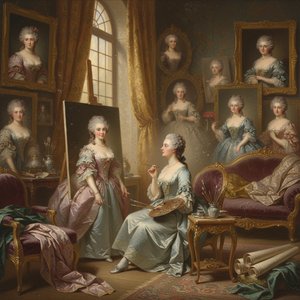 Vigée Le Brun: Portraiture, Patronage & Feminine Identity in 18th-Century FranceExplore the life & art of Louise Élisabeth Vigée Le Brun, Marie Antoinette’s renowned portraitist. Discover her Rococo style, self-portrait…
 25 Masterpieces by Henri de Toulouse-Lautrec: The Soul of Parisian NightlifeExplore 25 iconic Toulouse-Lautrec masterpieces of Belle Époque Paris. Discover the full collection online at OriginalUniqueArt.com.