

 Se i rummet
 Send
Send Del
Del
 Detaljer
 Studieguide til kunstværker

 Download
 Lignende værker
 Røntgenundersøgelse
 Se diasshow
 Statistik
Log Cutting
 Contemporary Realism
 74.0 x 66.0 cm
 Swindon Art Gallery
 Læs mere
Kunstværket vist på denne side er beskyttet af ophavsretsloven, hvilket betyder, at vi ikke lovligt kan skabe eller sælge en identisk reproduktion. Denne beskyttelse håndhæves i henhold til internationale aftaler som f.eks. den Bernerkonventionen og af nationale love, herunder de bestemmelser, der er fastlagt i Amerikansk ophavsretslov - Titel 17.
Som et respektfuldt og lovligt alternativ tilbyder vi skræddersyede, håndmalede kunstværker inspireret af originalen. Vores dygtige og professionelle kunstnere studerer omhyggeligt originalens stil, stemning og kunstneriske essens for at skabe et nyt, unikt værk, der fremkalder den samme følelse – samtidig med at det forbliver en original skabelse i egen ret.
Denne metode overholder fuldt ud ophavsretsreglerne, da den ikke indebærer kopiering eller duplikering af det beskyttede kunstværk. I stedet er der tale om en kreativ nytolkning – et nyt maleri, som er inspireret af det oprindelige, men ikke identisk med det.
Håndlavet oliereproduktion
Håndmalet olie på lærred i din valgte størrelse og ramme, udført efter bestilling af vores kunstnere. ( Skift til printversion Skift til digitalt billede)




































Vælg mellem vores forudindstillede størrelser, der matcher kunstværkets originale proportioner.

Indtast den bredde og højde, du har brug for, så det passer til din ramme eller din væg. Da dette er håndmalet, kan kunstneren ved en anden form på størrelsen male lidt mere rundt om billedet eller skære lidt væk — det er op til dig. Vi sender dig et digitalt mockup til godkendelse, før maleriet påbegyndes. Billedet, der vises på denne side, viser ikke det endelige resultat — det er kun mockuppet, der gør.
Efter bestilling vil OriginalUniqueArt.com team sende en e-mail til kunden for at indhente instruktioner og fremsende et udkast til gennemgang.
Levering i hele verden () på 3-4 uger i stedet for de standard 5 uger. (23 oktober). Ingen kompromiser med kvaliteten.

Gratis ekspresforsendelse til hele verden

Lærred af linned i høj kvalitet

Komplet transportforsikring

Garanti for refusion af told og importafgifter

Garanti for autentisk farvegengivelse

100 dages returret ved fabrikationsfejl

100% fuld returret

Mængderabat ved flere køb
 Glasmulighed er kun tilgængelig i størrelser under 110 cm

Log Cutting
Reproduktionsmateriale
Reproduktionsstørrelse
-


Samlet pris
Dkr 1972
Om kunstneren
The Rediscovered Vision of Harold Dearden
In the grand tapestry of British art history, certain names shine with an undeniable brilliance, while others linger in the soft shadows of their more famous contemporaries. Harold Dearden (1888–1962) is a figure who belongs to that evocative second category—a master whose brush captured the soul of the English landscape and the dignity of human labor, yet whose legacy was long overshadowed by giants like Stanley Spencer. Born in Bolton, Lancashire, on December 13th, 1882, Dearden’s journey was one of profound discipline and transformative experience. His early training at the Rochdale School of Art under the watchful eye of Henry Barret Carpenter instilled in him a rigorous foundation in colour theory and observational precision. This academic rigor would later serve as the bedrock for his diverse repertoire, ranging from delicate watercolours to robust, textured oil paintings.
Dearden’s artistic evolution was further propelled by a prestigious scholarship to the Royal College of Art in London. Between 1910 and 1915, studying under the influential Gerald Moira, he embraced an expansive curriculum that bridged the gap between fine art and structural design. This period of study in architecture, painting, and sculpture gifted him with a unique sense of scale and narrative depth. His work began to reflect a sophisticated understanding of composition, where the weight of a figure or the sweep of a landscape was balanced with the precision of a draughtsman. However, the trajectory of his life was irrevocably altered by the Great War. Serving as a medical officer within the Royal Army Medical Corps, Dearden faced the visceral horrors of trench warfare. The physical toll—most notably the loss of an eye—and the psychological weight of combat left indelible marks on his psyche, perhaps infusing his later explorations of theme and form with a deeper, more resilient emotional resonance.
A Legacy of Color and Craft
Following the upheaval of war, Dearden transitioned into a period of significant institutional influence and creative output. For three decades, beginning in 1920, he served as the head of the Swindon Art School, a role that allowed him to shape the next generation of British artists while simultaneously fostering a vibrant local art scene. As the president of the Swindon Artists’ Society, his presence was central to the cultural life of the region. His artistic style became a captivating blend of Post-Impressionistic vitality and Art Deco elegance. Whether he was rendering the muscularity of rural toil in works like Log Cutting or capturing the ethereal grace of mythological figures in Three Graces, Dearden possessed an uncanny ability to breathe life into his subjects through a rich, earthy palette and masterful impasto techniques.
His versatility as a creator allowed him to move seamlessly between mediums, leaving behind a body of work that includes:
- Oil Paintings: Characterized by their textured surfaces and profound engagement with light and shadow, often depicting landscapes and figurative studies.
- Watercolours: Demonstrating a delicate touch and an exquisite command over transparency and fluid movement.
- Draughtsmanship: Utilizing ink and wash to create precise, narrative-driven illustrations that showcased his architectural training.
Today, the significance of Harold Dearden lies in his ability to bridge the gap between Victorian illustrative traditions and the burgeoning modernism of the twentieth century. His work serves as a poignant window into the social shifts of his era, capturing both the industrial grit and the pastoral beauty of a changing Britain. Though he may have remained an obscure figure for many years, the rediscovery of his paintings—held in esteemed collections such as the Swindon Museum and Art Gallery—offers a profound opportunity to appreciate a voice that was as resilient as it was beautiful.
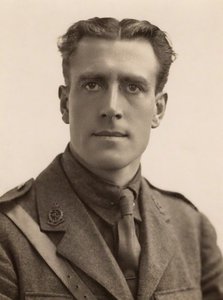
Hurtige fakta
- Artistic Movement Or Style: Modern Art
- Artists Or Movements Influenced By This Artist: ['Gerald Moira']
- Artists Who Influenced This Artist: ['Henry Barret Carpenter']
- Date Of Birth: December 13, 1882
- Date Of Death: July 6, 1962
- Full Name: Harold Dearden
- Nationality: British
- Notable Artworks:
- Log Cutting
- The Locarno
- Salubritas
- Place Of Birth: Bolton, Lancashire
Relaterede artikler

The Enduring Legacy of Oil on Canvas: Technique, History & Aesthetic Impact
Explore the rich history & techniques of oil painting – from Renaissance masters to Impressionism. Discover pigments, layering methods, and why this timeless medium endures. Expert insights for artists & art enthusiasts.

Oliemaleriets Arv: Teknik, Historie og Nutidig Praksis
Dyk ned i oliemaleriets fascinerende verden! Lær om teknikker, historie og nutidige kunstnere. Få ekspertviden og inspiration til dit eget maleprojekt.

Oil on Canvas: A Historical & Technical Exploration of a Timeless Artistic Medium
Explore the rich history & enduring techniques of oil painting on canvas. Discover the science behind its longevity, conservation practices, and contemporary relevance. Expert insights for art enthusiasts.
The Timeless Charm of Oil on Board: Reimagining Texture and Light through the Impressionist Lens
Discover the profound intimacy of oil on panel. Explore how Impressionist masters used rigid supports to capture light, texture, and impasto depth through exquisite, handmade oil reproductions for discerning collectors.

The Enduring Power of Painting: A Historical & Contemporary Exploration of Form and Emotion
Explore the rich history & enduring techniques of oil painting with OriginalUniqueArt. Discover masterpieces, learn about art collecting, and find authentic handmade reproductions crafted by skilled artists.